Which approach are you leaning toward for your smart home?
Deloitte found fewer than a third of consumers have committed to a single ecosystem.
No votes yet. Yours will be the first. · saved on this device
Loading...
Make everyday controls easy to use and easy to hand over.
Home Control Notes is a planning resource for U.S. homeowners adding lighting control, security, audio or whole-home automation. It explains what the work costs, which platforms play together, what keeps running during an outage, and how to keep ownership of every account. When you are ready, it matches you with independent local installers for a free written estimate.
By the numbers
Every figure links to its published source.
45%
of U.S. internet households own at least one core smart home device (2025)
Parks Associates counts thermostats, cameras, locks and doorbells as core devices, excluding smart speakers and displays. Nearly half of connected homes already have a foothold, so integrating existing gear is the normal starting point for a whole-home project.
Parks Associates press release (PR Newswire) (2025)52%
of DIY smart home users report setup or connectivity problems (2025)
More than half of self-installers hit setup or connectivity trouble, according to Parks Associates. Most of those failures are network and wiring problems, which is the practical argument for professional design of multi-device systems.
Parks Associates press release (PR Newswire) (2025)$771
average cost of a consumer smart home system, range $201–$1,519 (Angi, 2026)
Angi's cost guide, updated March 2026, covers a basic connected setup such as a hub, thermostat, lighting and doorbell. Bespoke whole-home integration, new wiring, theater equipment and recurring support are different projects.
Angi, How Much Does a Smart Home System Cost (2026)8% / $50
annual heating and cooling savings from an ENERGY STAR smart thermostat
Certified models must demonstrate at least 8% heating and 10% cooling runtime reduction in field data, which ENERGY STAR summarizes as about 8% of heating and cooling bills, roughly $50 a year. Savings are larger in extreme climates.
ENERGY STAR Smart Thermostats FAQ (2025)Most smart home regrets have nothing to do with the hardware. They come from a system nobody in the house can operate when the phone is upstairs, an installer who still holds the administrator login, or a subscription that quietly became mandatory. According to Parks Associates, 52% of do-it-yourself users report setup or connectivity problems, which is the strongest argument for planning the network and the fallback controls before buying a single device.
This site walks through the four common projects in this niche: whole-home automation, smart lighting control, security and surveillance, and home theater and audio. Each page gives realistic 2025–2026 price ranges, the questions worth asking a pro, and the details that fail first. The cost calculator and comparison guides help you size a budget before you request estimates.
Home Control Notes ran these numbers on the federal government's own household data. You won't find them in a contractor's brochure.
Home Control Notes analysis · 2024
95% interval 29.9%–34.4% · about 6.2 million homes · 2,593 survey households
95% interval 23.3%–27.3% · about 3.8 million homes · 1,909 survey households
Difference: 6.8 percentage points (95% interval 3.9 to 9.8).
Voice control of lights is more common in higher-income smart-speaker homes. Plan switches and scenes that work without the speaker too, so the lights don't depend on one device.
Source: Home Control Notes analysis of 2024 federal household survey data from the U.S. Energy Information Administration. How we calculated it
Each guide covers what it costs, what fails first, and how to compare written proposals.
 Service guideWhole-Home Automation
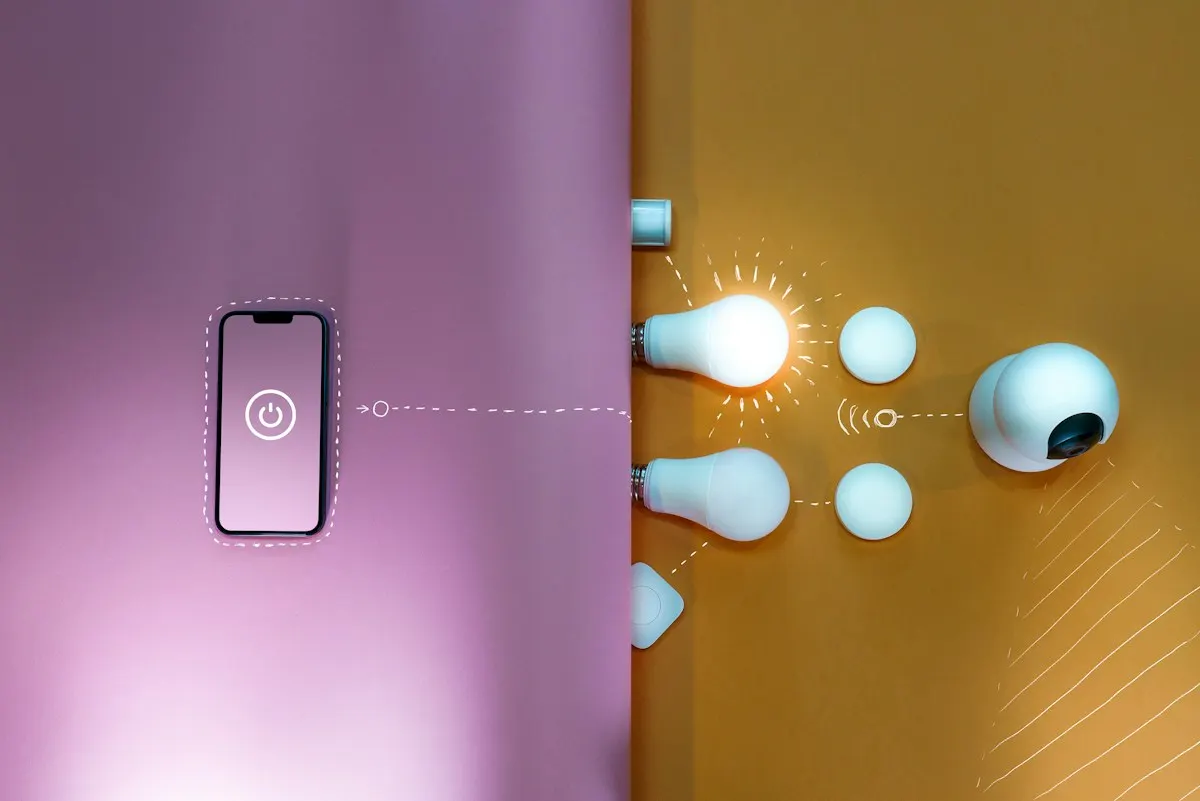
Whole-home automation connects lighting, climate, locks, cameras, shades and audio under one interface with scenes and schedules.
 Service guideSmart Lighting Control
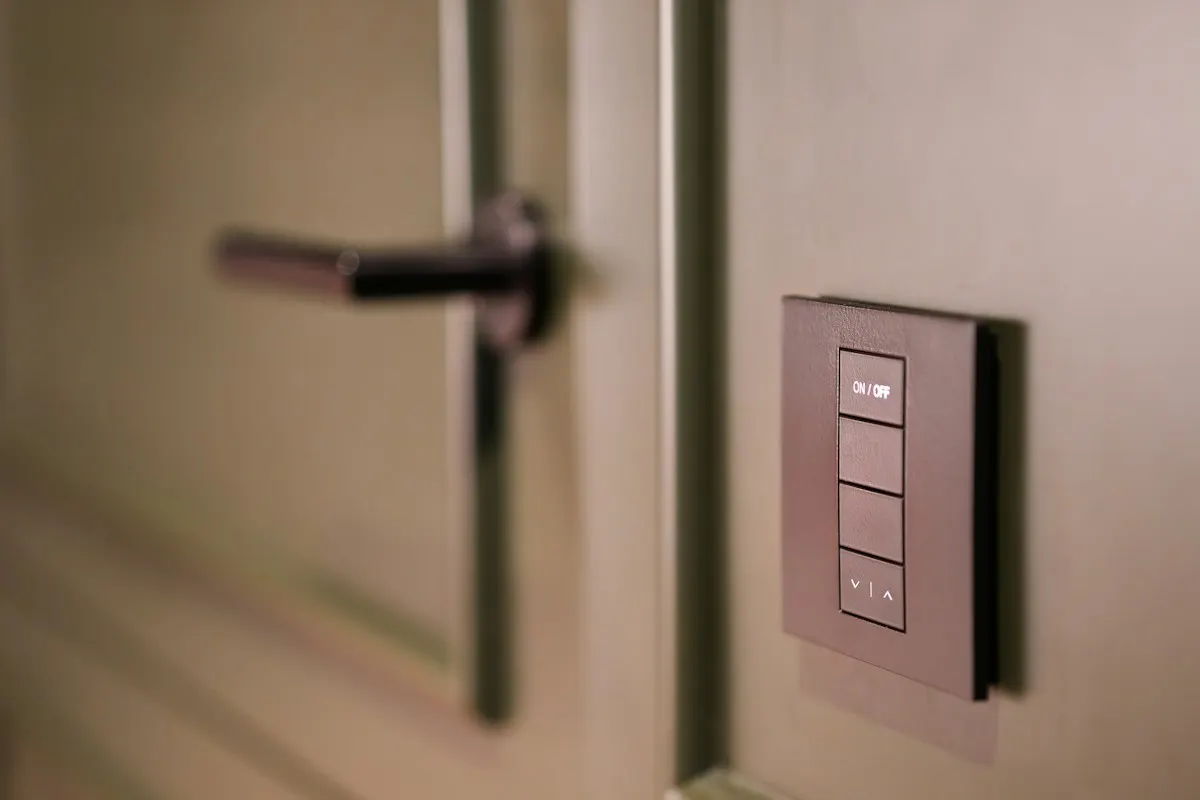
Smart lighting control replaces switches and dimmers, or adds keypads and schedules, so rooms respond to scenes, timers and occupancy while the wall switch keeps working.
 Service guideHome Security & Surveillance
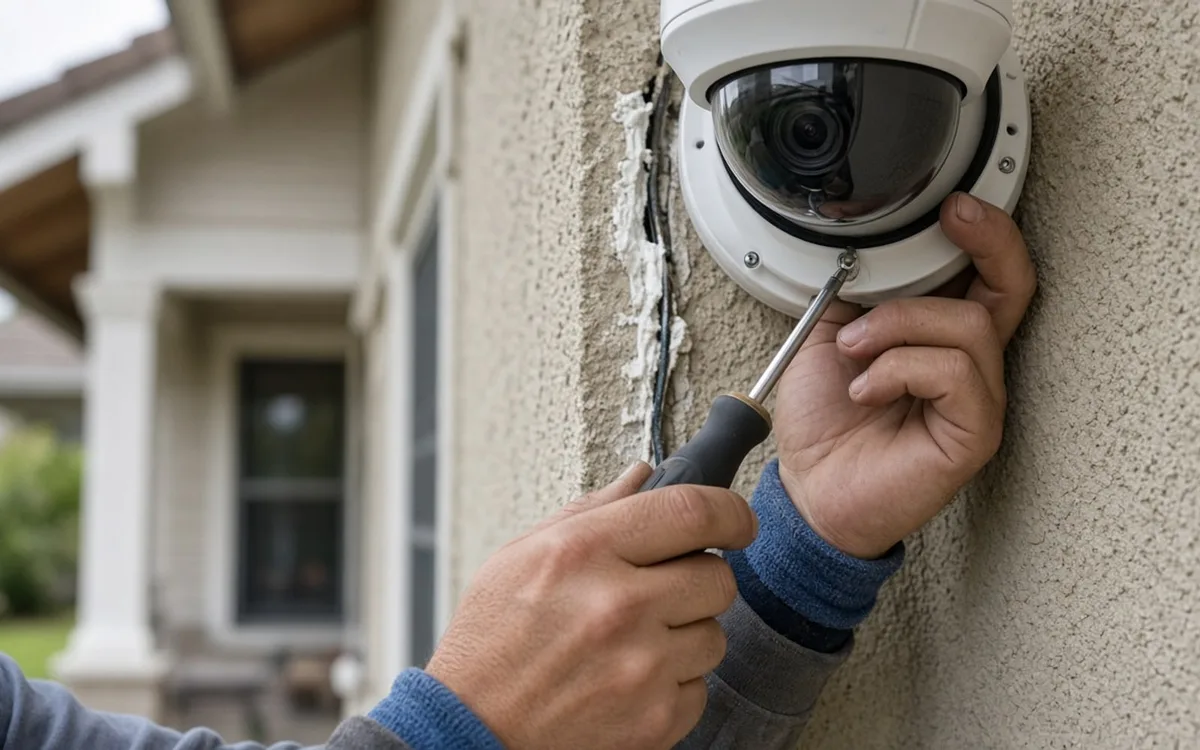
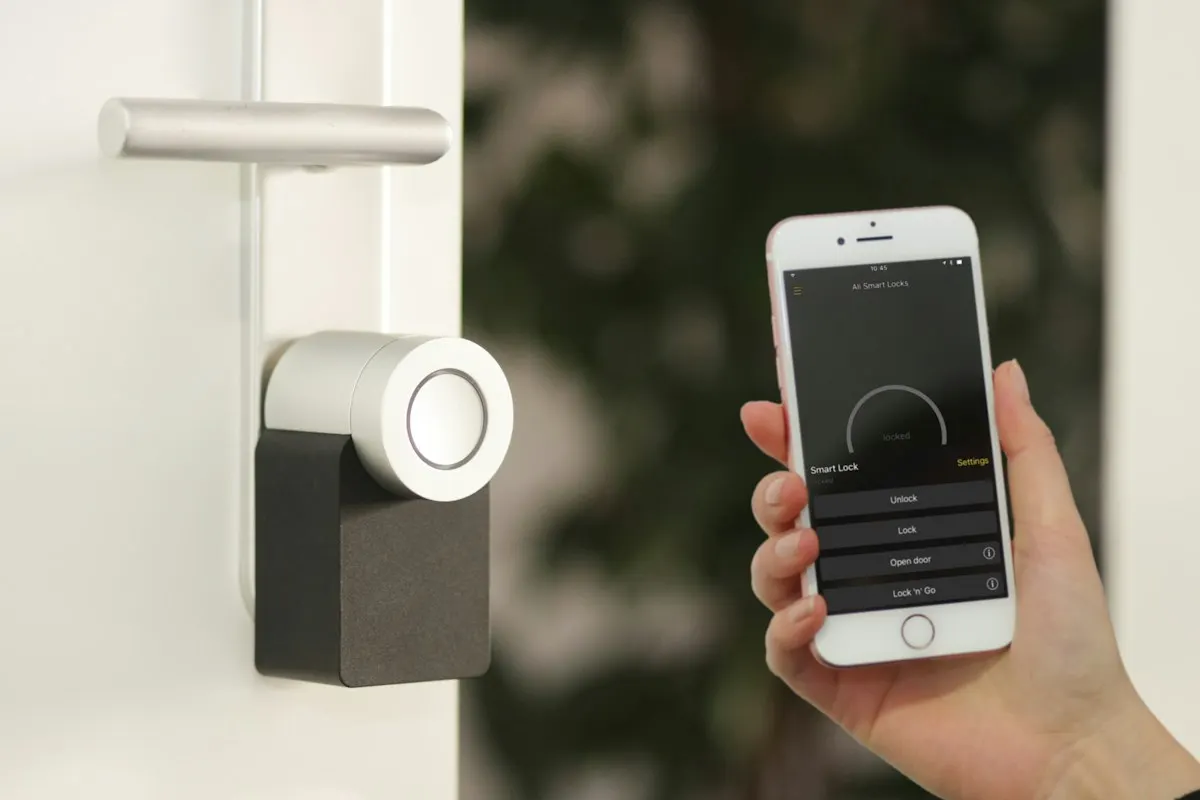
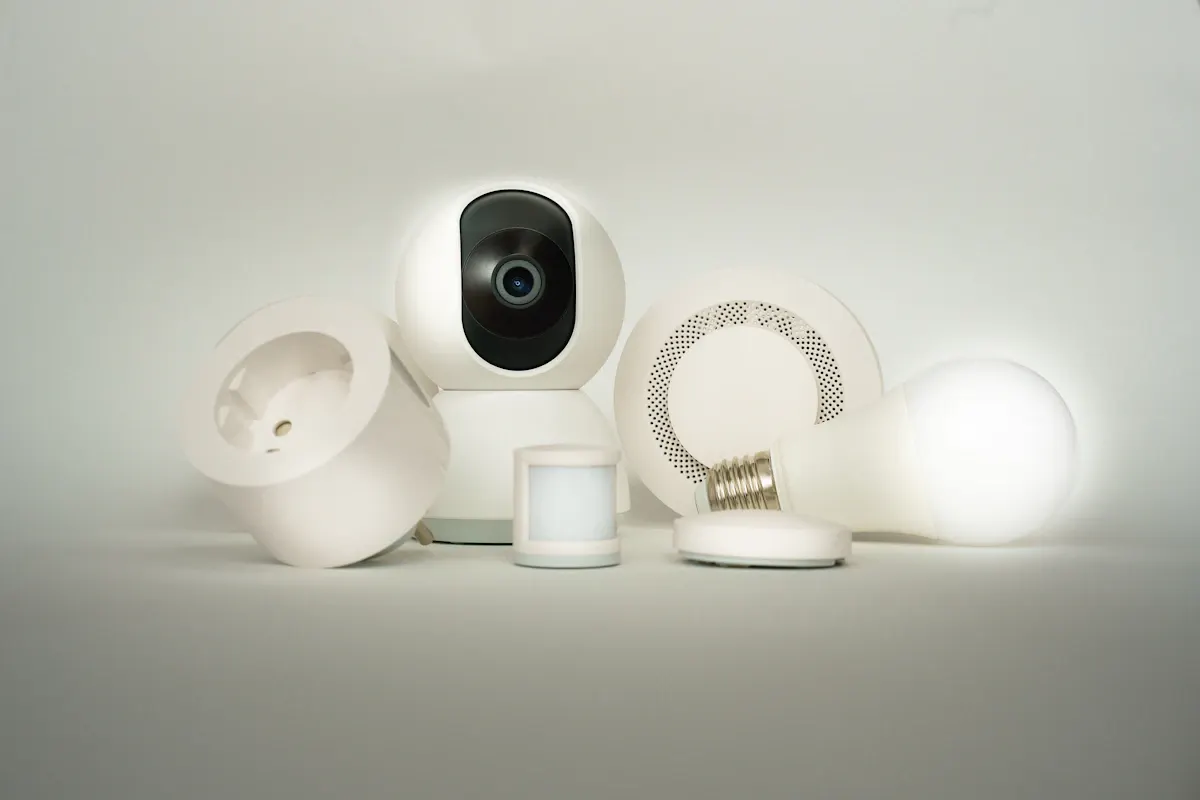
Home security and surveillance covers cameras, door and window sensors, motion detection, video doorbells and smart locks, with or without a monitoring service.
 Service guideHome Theater & Audio
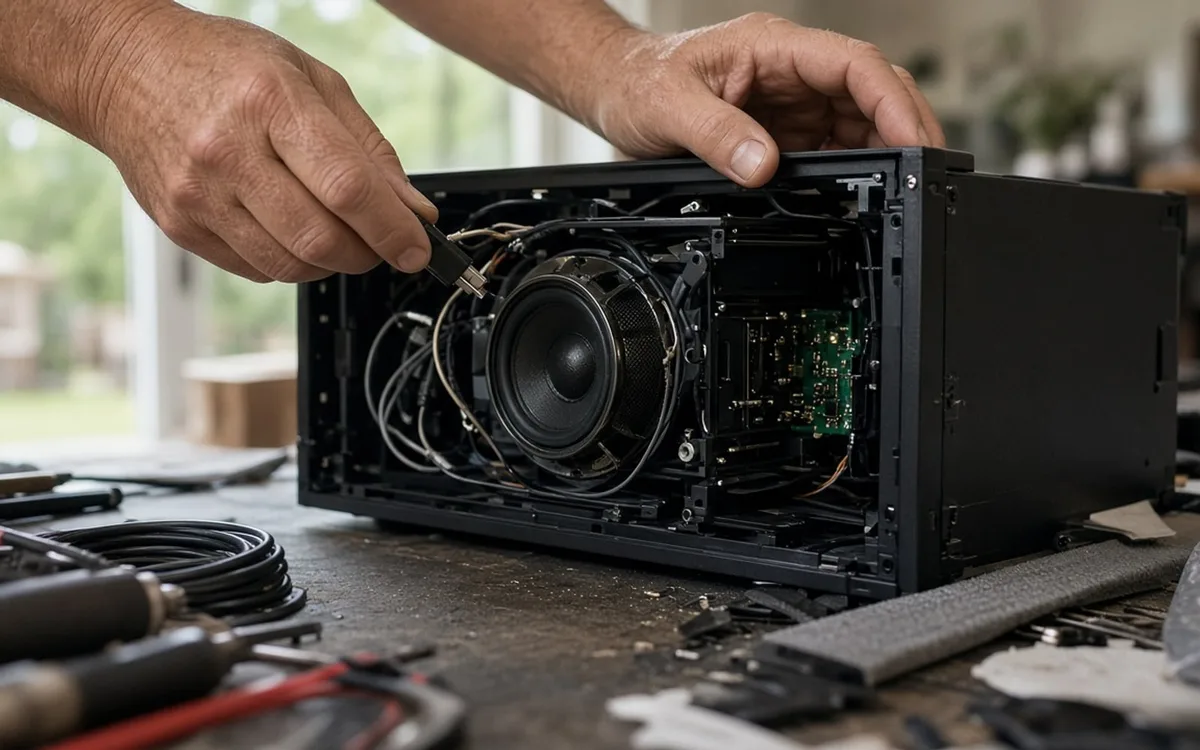
Home theater and audio installation covers dedicated theaters, living-room media setups and multi-room audio, including speakers, displays, receivers, cabling, equipment placement and the controls the household uses daily.
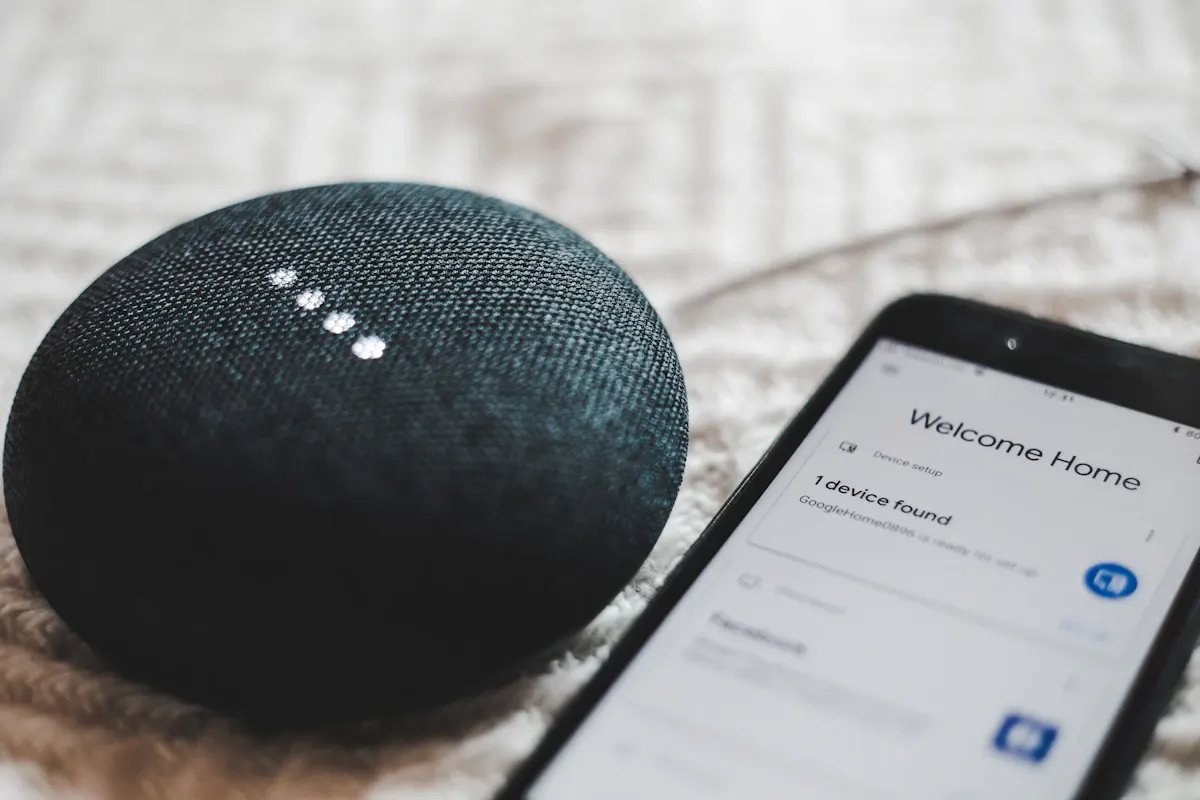
A whole-home project rarely starts from zero. Parks Associates reported in 2025 that 45% of U.S. internet households own at least one core smart device such as a thermostat, camera, lock or doorbell, and the average internet household now runs about 17 devices on its network. The EIA's 2024 Residential Energy Consumption Survey puts a smart speaker in 35.6% of occupied primary residences. Any installer you hire should inventory what you already own before proposing a platform.
That inventory matters because existing gear decides which ecosystem is cheapest to build around. If your household already runs two smart speakers, which the EIA found in 18.5% of homes, replacing them to fit a different platform is wasted money. A good written proposal lists each existing device, states whether it will be integrated, replaced or left standalone, and explains why; our analysis of the same survey found only 1.2% of homes use a speaker to run anything beyond lights, climate, security and TV. Use the readiness quiz to work out which category your home falls into before that conversation.
Angi's 2026 cost guide puts a consumer-grade smart home setup at $771 on average, with a typical range of $201 to $1,519 for a hub, thermostat, a few lighting devices and a doorbell. That is the benchmark behind the calculator on this site. It does not describe a professionally designed multi-room system. HomeGuide's 2026 tiers run from $2,000–$5,000 for a few rooms through $5,000–$15,000 for whole-home integration, and fully custom installations start above $15,000.
Labor is the variable most homeowners underestimate. Today's Homeowner reports professional installation labor at $80–$100/hr (January 2023 prices), HomeAdvisor's 2026 camera-installation rate is $50 to $100 an hour, and rewiring for a full system can add $2,000 to $10,000 depending on home size. A single smart thermostat costs $200–$500 installed according to Vivint's 2026 guide, and Vivint also notes the average bill to fix a botched DIY thermostat install is $188, roughly what the professional install would have cost in the first place.
| Project scope | Typical 2026 range | Source |
|---|---|---|
| Consumer starter setup (hub, thermostat, doorbell, lighting) | $201–$1,519 | Angi |
| Whole-home lighting control | $1,000–$5,000 | Today's Homeowner |
| Theater or multi-room audio subsystem | $2,000–$4,000 | Today's Homeowner |
| Mid-range whole-home integration | $5,000–$15,000 | HomeGuide |
| Fully custom professional system | $15,000+ | HomeGuide |
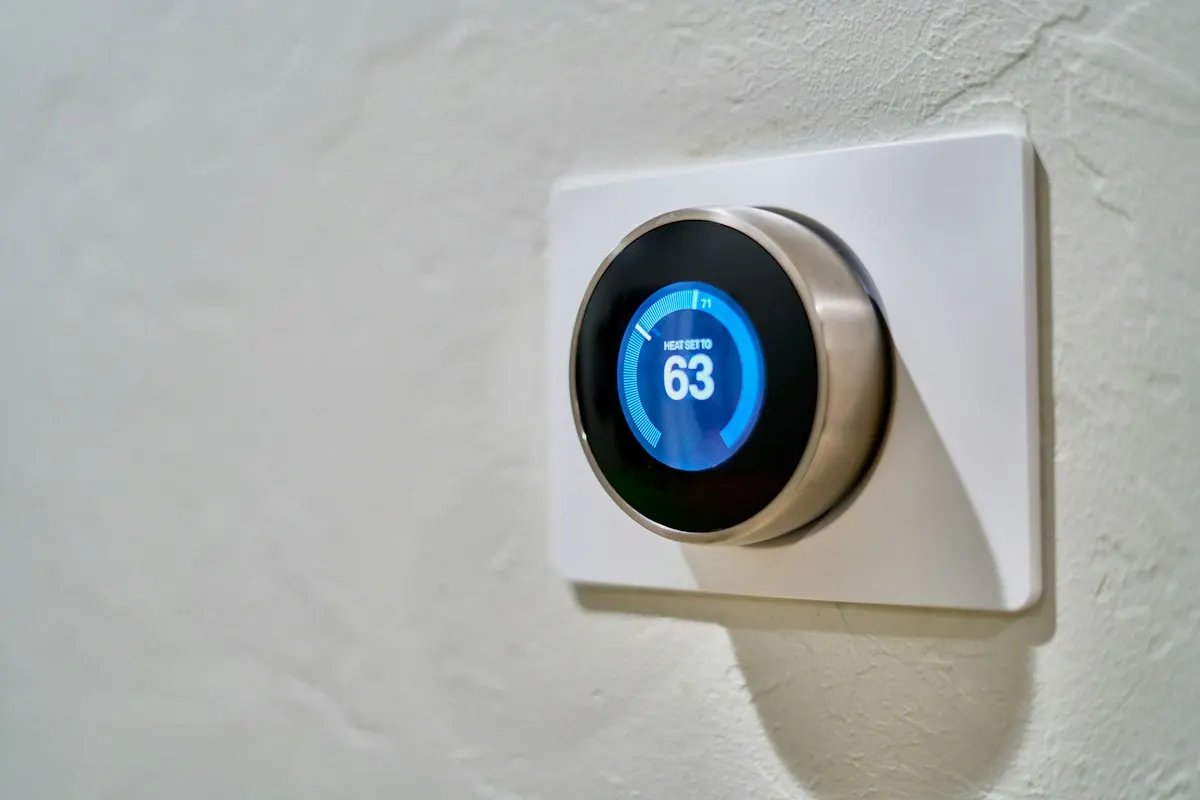
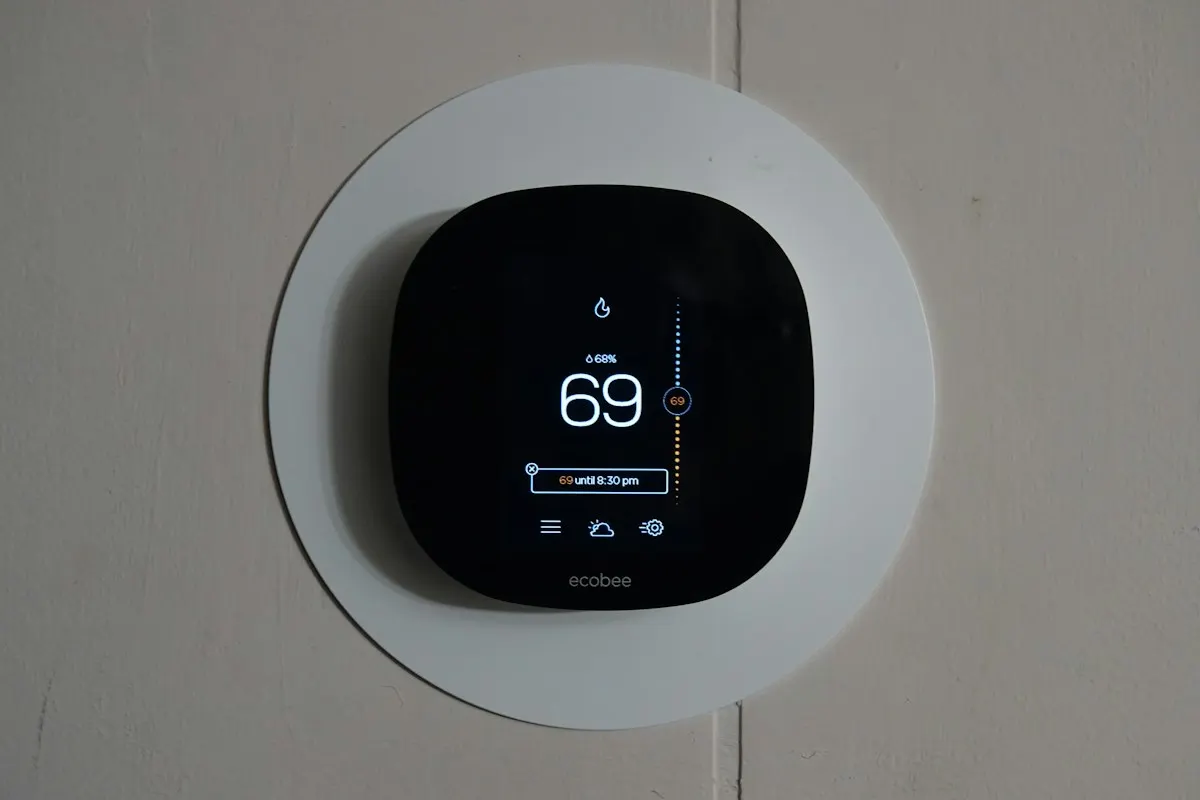
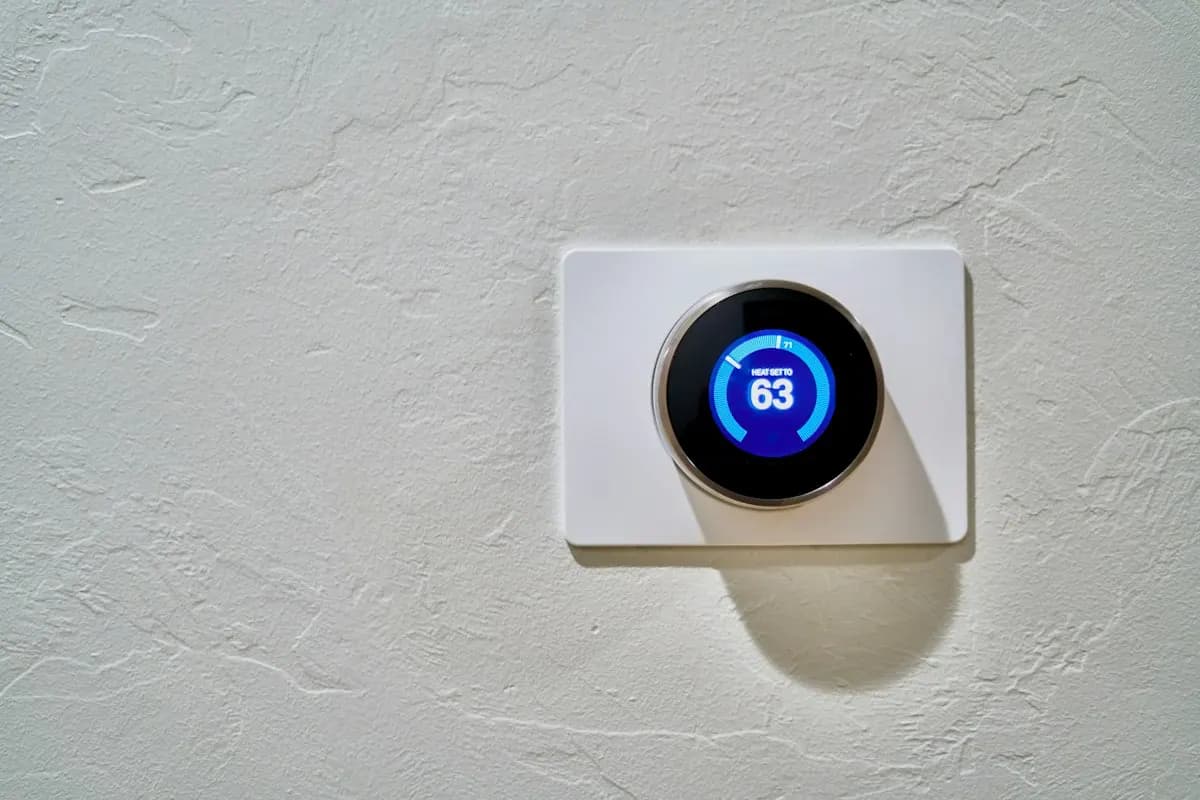
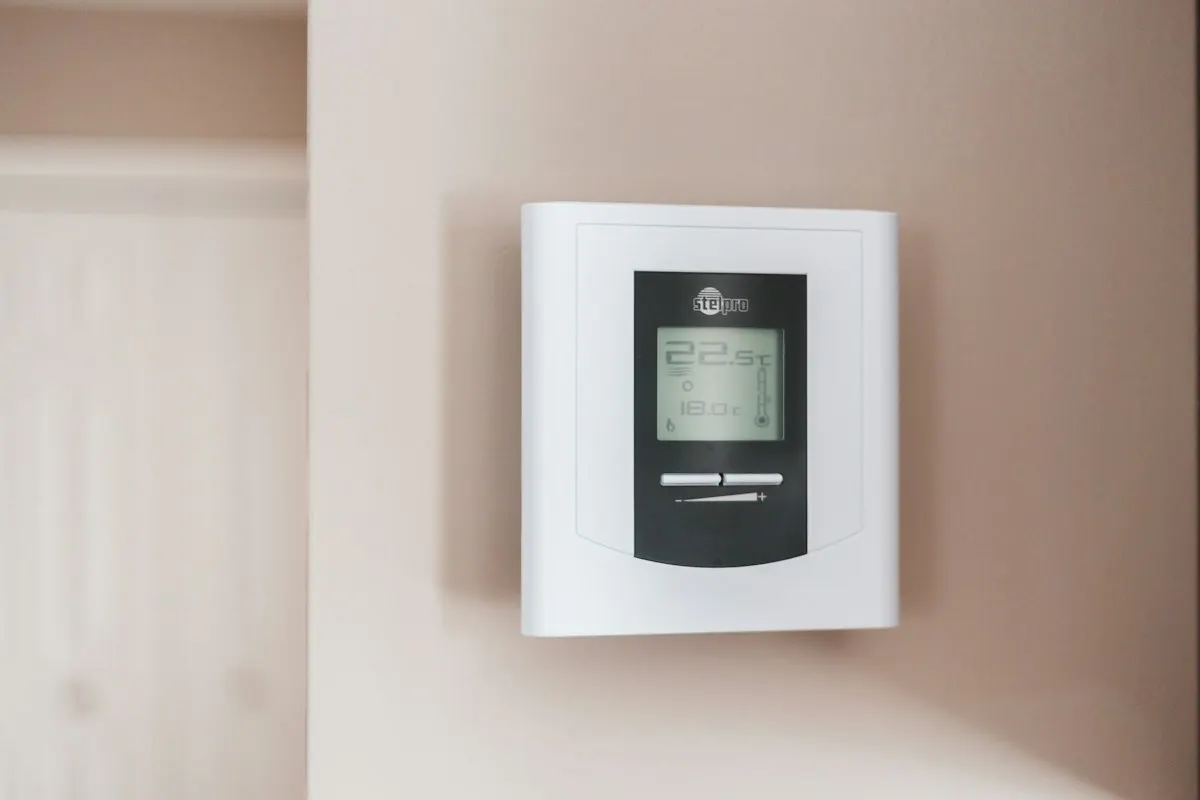
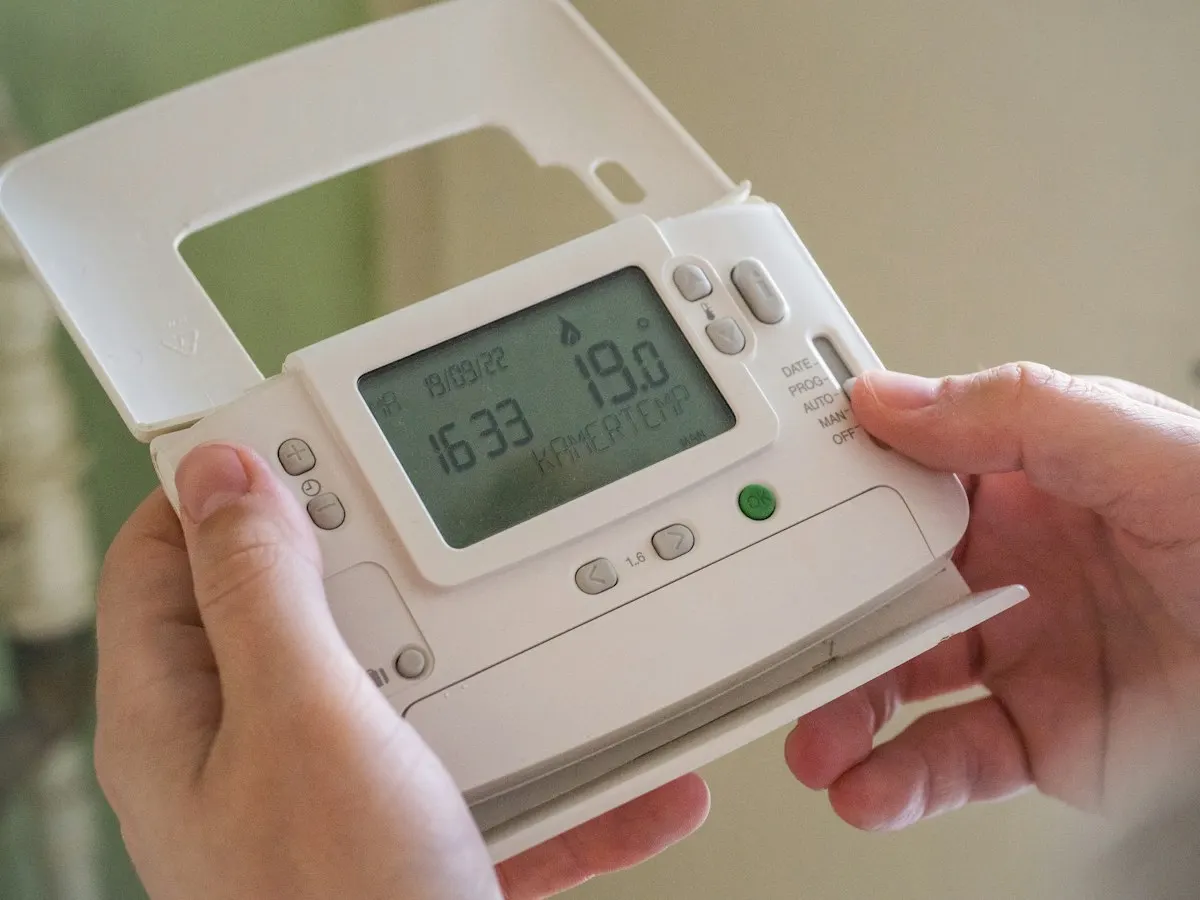
Three categories have measurable financial returns; everything else is convenience. ENERGY STAR certified smart thermostats save about 8% / $50 a year on heating and cooling, and since heating and cooling is $900+ of the typical household energy bill, a $300 thermostat pays back in roughly six years on the ENERGY STAR baseline and faster in extreme climates.
Leak detection is the second. A LexisNexis study of 2,306 homes with automatic water shutoff valves found water-damage claims fell 96% in the year after installation while the control group's claims rose 10%. Insurance discounts are the third: Nationwide's smart home program offers up to 10% off fire, theft and water coverage, and SmartFinancial's roundup shows Allstate and American Family at 5% and Hippo at 10–13% for monitored security and leak sensors. Confirm eligible devices with your carrier before the pro orders equipment.
This is the question that separates a well-designed system from a fragile one, and it belongs in writing in the proposal. Every light switch should still switch. Every door lock should still open with a key or keypad code stored on the lock. The thermostat should hold its schedule. Cameras that record locally should keep recording. Ask the installer to list, device by device, which functions need the internet, which need a local hub, and which need a cloud account or paid subscription to operate at all.
Platforms that process automations locally handle outages better than those that route every command through a server. The Matter standard, backed by Apple, Google, Amazon and Samsung, is expected to cover 4,200+ certified devices by the end of 2026, and Matter devices are designed to be controlled over the local network. That does not remove cloud dependency for remote access or voice, but it means a bedtime scene can run on a Tuesday night when the fiber line is cut. Read the platform comparison for the trade-offs.
Deloitte's 2023 connectivity survey found that 79% of consumers rate device interoperability as important, yet only 31% had committed to a single ecosystem and 45% still controlled devices through separate apps. The typical adopter owned about seven smart devices. That gap between wanting one interface and living with many is the core design problem, and it is what a professional integrator is paid to solve.
The fix is a decision, not a product. Pick the platform that already runs the most important routine in your home, then require every new device to work with it natively or through Matter. Devices that only work in their maker's app should be limited to functions you are happy to run separately, such as a robot vacuum. The whole-home automation page covers how to write that requirement into a specification so an installer cannot substitute a cheaper incompatible device later.
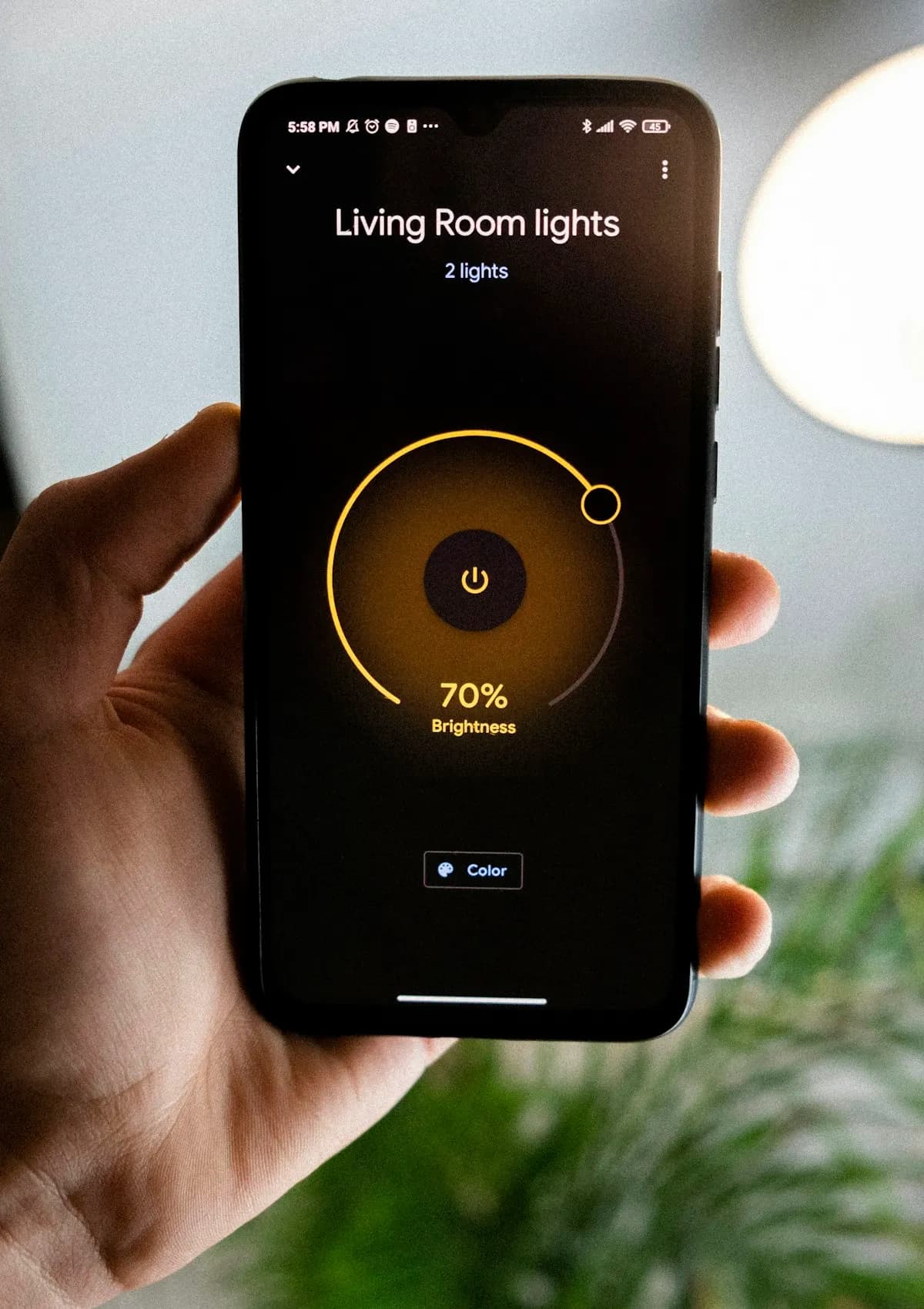
Our analysis of the federal government's 2024 household survey shows how households actually use voice control. Lighting leads at 10.3% of homes, followed by security, camera or lock control in 9.0%, TV control in 8.4% and temperature in 6.2%. Use also tracks income: among speaker owners, voice lighting control runs 6.8 pts higher in households earning $100,000 or more (32.1% against 25.3%). Owning a device and automating with it are separate steps.
Security is the category owners call essential. SafeWise's 2025 State of Safety survey found ~50% of U.S. households use security cameras and one in three has a full system, while Parks Associates counts a video doorbell in 20% of internet households. Audio is the slow burner: the EIA found a home theater or audio system in 25.0% of homes, highest in the West at 28.7%. Whichever you start with, lighting is the most forgiving first project and theater the least.
Every platform has an owner account, and it should be yours. Some installers register systems to their own company email so they can support them remotely. That is convenient until you change installers, sell the house, or the company closes. Before signing, require that the owner account for the hub, each camera brand, the lock, the thermostat and the audio system is created in your name, with the installer added as a secondary user whose access you can revoke.
Deloitte's 2025 Connected Consumer Survey found 70% of consumers worry about the data privacy and security of connected devices, up from 60% the previous year. A documented handover addresses that directly: written list of accounts, who has access, how to remove installer access, how updates are applied, and where backups of the configuration live. The contact page explains what to include in a request so the estimates you receive cover handover rather than treating it as an afterthought.
Buyers respond to infrastructure more than gadgets. Zillow's 2025 home trends report found EV chargers appeared in +34% more for-sale listings than the previous year and whole-home batteries in 62% more. Wired network drops, a structured wiring panel, a rack closet with ventilation and a documented lighting layout transfer to the next owner cleanly. A dozen Wi-Fi bulbs tied to your personal account do not.
Households are spending more, not less, on this category, and the timing lines up with remodeling: Houzz's 2026 study found 50% of its homeowners plan a renovation this year, the cheapest moment to pull wire. Deloitte reports average annual spending on connected devices reached $896 in 2025, up 17% from $764, and 29% of consumers plan to increase spending. Budget accordingly, but put money into things that outlast a product cycle. Compare regional adoption on the locations page and see what other homeowners prioritize in the planning polls.
Homeowner polls
Vote to see live results from other homeowners planning the same project.
Deloitte found fewer than a third of consumers have committed to a single ecosystem.
No votes yet. Yours will be the first. · saved on this device
No votes yet. Yours will be the first. · saved on this device
No votes yet. Yours will be the first. · saved on this device
 Free toolSmart home cost calculator: size a budget by control points
Size, material tier and complexity in, a realistic budget range out.
 Free toolSmart home comparisons: the five decisions that shape the project
Side-by-side tables for the decisions that change the price most.
 Free toolSmart home readiness quiz: do you know the details installers will ask about?
10 questions that show what you already know and what to check next.
 Free toolSmart home polls: how other homeowners weighed the same decisions
See what other planners chose and add your vote.
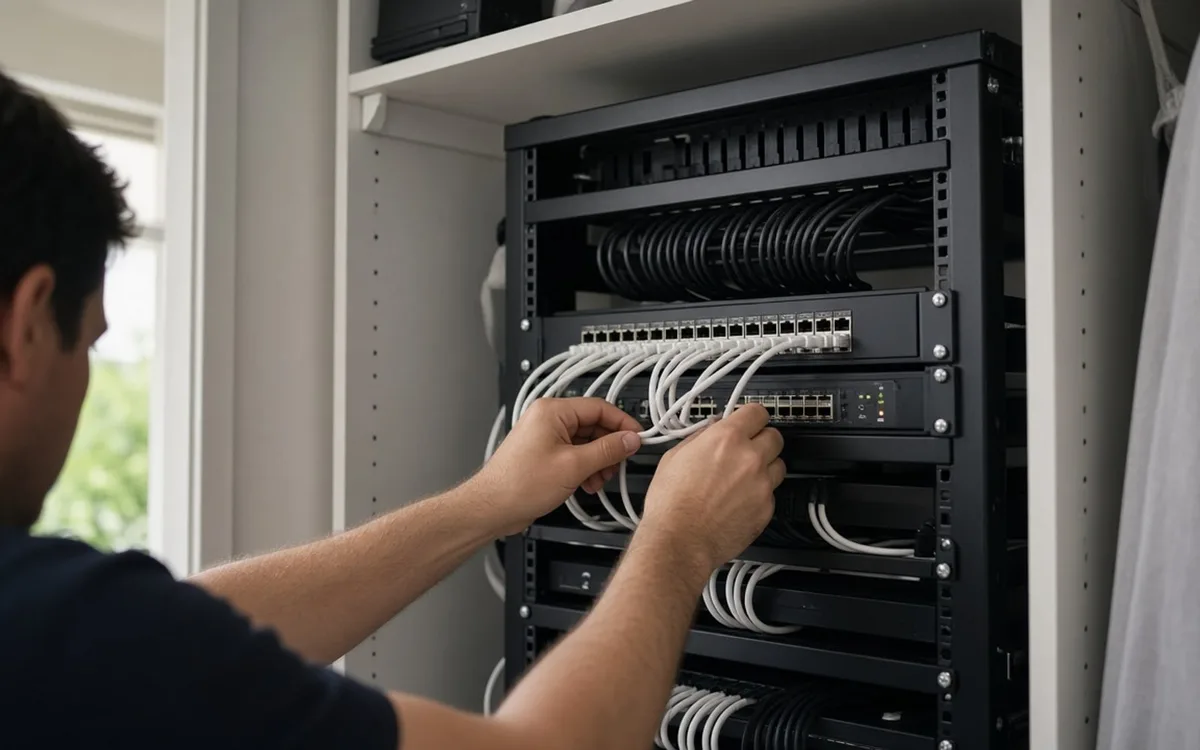
You can run a small system on Wi-Fi alone, but past roughly a dozen devices the router becomes the bottleneck, and Wi-Fi bulbs and plugs each hold a network address. A hub or bridge that speaks Thread, Zigbee or Z-Wave takes those devices off Wi-Fi, processes automations locally and keeps scenes running during an internet outage. If your plan includes locks, sensors and more than a few rooms of lighting, budget for a hub and a router upgrade rather than adding devices to a consumer mesh system until it stalls.
A retrofit of an existing home with mostly wireless devices typically takes one to three days of on-site work for a mid-sized system, plus programming time that may happen off-site. Projects that add new wiring, a rack, in-ceiling speakers or a structured cabling panel run one to three weeks and depend on drywall and paint trades. Ask for a schedule that separates rough-in, device installation, programming and the handover session, because the last step is the one most often skipped.
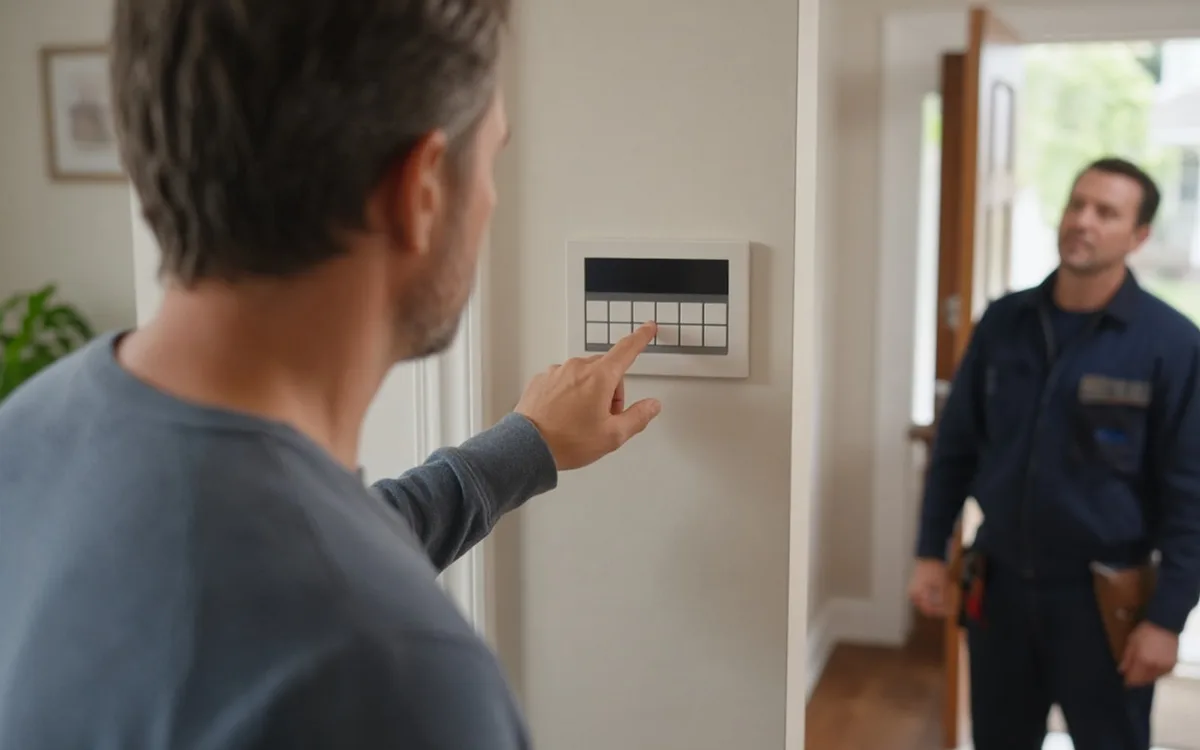
It can, and this is the trade-off to weigh against convenience. Dealer-only platforms often require an authorized installer for programming changes, and Deloitte found 45% of households still juggle separate apps because they never committed to one ecosystem. Ask two things before hiring: can another authorized dealer take over the system, and can you make simple changes yourself such as adjusting a schedule. A written handover with the programming file and account credentials in your name keeps the door open.
Typical recurring costs are camera cloud storage, professional monitoring at $30–$60 a month according to SoFi's 2025 guide, some voice-assistant features, remote access on certain dealer platforms, and support contracts. General smart home subscriptions run $10–$50 monthly. None are inherently bad, but each should be listed in the proposal with what stops working if you cancel. Local video storage and a self-monitored alarm are the usual ways to keep the recurring total near zero.
The risk is real but manageable. Seventy percent of consumers in Deloitte's 2025 survey worry about connected-device privacy, and the practical answers are network segmentation so cameras and appliances sit on their own VLAN, owner accounts with two-factor authentication, indoor cameras that can be physically shuttered or unplugged, and local processing where possible. Ask the installer how each device's data is stored and who can view it, and treat any vague answer as a reason to pick a different device.
Often, yes, but the eligible device list is set by the carrier. Nationwide offers up to 10% off fire, theft and water coverage and supplies certain sensors free to eligible policyholders, while SmartFinancial's roundup lists Allstate and American Family at 5% and Hippo at 10–13%. Monitored security, water leak detection and smoke or electrical sensors are the usual qualifying categories. Call your carrier with the exact model numbers before the pro orders equipment, and keep the activation records the insurer may request.
No, but let it shape what you buy. More than 4,200 Matter-certified devices are expected by the end of 2026 across lighting, plugs, locks, sensors and thermostats, so for those categories you can require Matter support now and reduce lock-in. Cameras, audio and some appliance features are not yet fully covered by the standard, so for those choose a platform based on the features you need and accept some ecosystem commitment. Ask installers which proposed devices are Matter-certified and which depend on a single maker's cloud.
Infrastructure does more than devices. Zillow's 2025 trends report shows tech-forward features climbing in listing descriptions, with EV chargers up 34% and whole-home batteries up 62%, and appraisers recognize structured wiring, network closets and built-in speakers as improvements. App-tied bulbs and personal-account cameras usually leave with the seller or get factory-reset. If resale matters, spend on wiring and documented layouts, and keep device accounts transferable rather than personal.

 LocationsRegional planning notes
How climate, codes and prices change a project across U.S. regions.
 ArticlesPlanning articles
Cost guides, checklists and mistakes to avoid before you sign.
 ReviewsHow to read reviews
What genuine contractor reviews look like and what they leave out.
Tell us the size, the condition of what is there now, and what you want to change. Home Control Notes passes your request to independent local professionals, who reply with written, no-obligation estimates. The service is free to use.