How many connected devices are in your home today?
Parks Associates puts the average U.S. internet household at about 17.
No votes yet. Yours will be the first. · saved on this device
Loading...
Home Control Notes · Planning quiz
Ten questions on the details that decide a smart home project: wiring era, hub protocols, doorbell transformers, storage, monitoring, account ownership and outage behavior. Each answer explains the reasoning with a sourced figure. Missing a question is useful; it tells you what to settle or ask before requesting estimates.
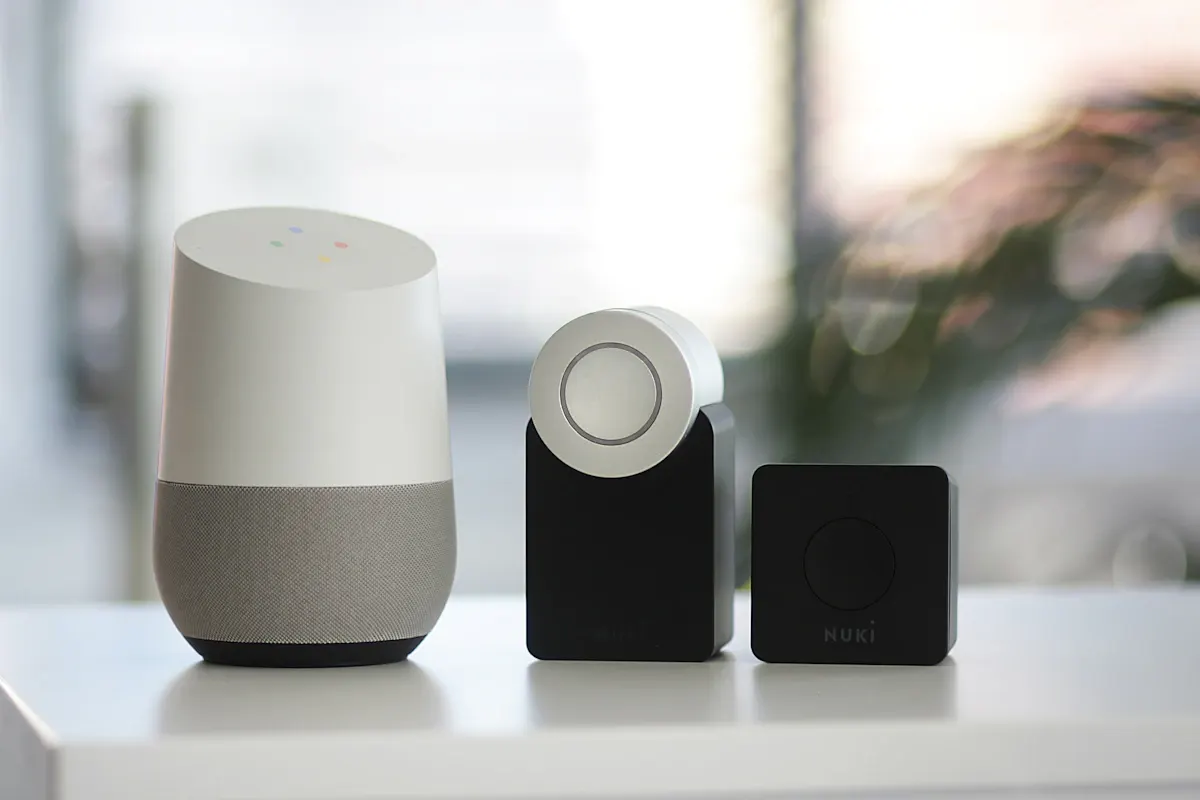
Start the quizPhoto: Sebastian Scholz (Nuki) · License.
0 of 10 answered
Parks Associates found 52% of DIY smart home users hit setup or connectivity problems, and most of those trace back to a handful of details that were never checked: a switch box without a neutral, a router past its client limit, a doorbell transformer too weak for video. The same details decide whether a professional estimate is accurate. This quiz checks whether you have them in hand.
Answer honestly, read each explanation, and note the ones you missed. Those are the questions for your request on the contact page and the items to verify during a site visit. The comparison pages and calculator pick up where the quiz leaves off.
Three questions cover wiring and network, because they decide cost and reliability more than any device choice. Two cover storage and monitoring, which set the recurring bill. Two cover accounts and handover, which decide who controls the system after installation. Two cover outage behavior. One covers the financial return, since ENERGY STAR's 8% / $50 thermostat saving and LexisNexis's leak-detection finding are the two numbers that make part of a smart home pay for itself.
Each explanation cites its source and states the limit of the figure. Our analysis of the EIA's 2024 survey counts installed stock, not purchases: smart speakers in 35.6% of homes is ownership, and among owners voice lighting control shows a 6.8 pts income gap, a reminder that owning a device and using it are different; Parks Associates and Deloitte survey internet households and consumers; cost guides are national references. Take the numbers as planning context and the questions as a checklist.
Score eight or more and you can write a request that installers can price accurately. Score five to seven and read the service page for your scope before requesting estimates. Score under five and start with the whole-home page, which explains the platform, network and account decisions that the other scopes depend on. The polls show how other homeowners answered similar questions about their own plans.
The neutral wire, the doorbell transformer and the account owner. All three are invisible until installation day, and all three change the price or the outcome. A pro can check the first two in ten minutes during a site visit; the third is a decision you make before signing. If you miss any of them here, write the question into your request so the installer answers it in the estimate rather than discovering it with the walls open.
The outage question is the one people get right in principle and wrong in practice. Most homeowners agree that lights should work from the wall, yet Deloitte found 45% of households control devices through separate apps, many of them app-only bulbs, and by our count only 10.3% of homes use voice for lights at all. The quiz asks what should happen with the internet unplugged; the lighting page explains how to make that true room by room.
Homeowner polls
Parks Associates puts the average U.S. internet household at about 17.
No votes yet. Yours will be the first. · saved on this device
No votes yet. Yours will be the first. · saved on this device
No. Its purpose is to surface the questions you have not settled so they go into your request. An installer who receives 'I do not know whether my switch boxes have neutral wires; please check' has more to work with than one who receives silence on the topic. Missed questions become the site visit agenda.
Because devices are easy to swap and wiring, network and accounts are not. Parks Associates' finding that 52% of DIY users hit setup or connectivity problems points at infrastructure, not bandwidth; our analysis of the EIA's 2024 survey found broadband in 73.2% of homes. A plan that gets the neutral wires, the router, the doorbell transformer and the account ownership right can use almost any device; a plan that gets them wrong fails with the best device.
Each cites its year: Parks Associates 2025 and 2026 releases, including the 17 devices per internet household figure, Deloitte's 2025 survey, ENERGY STAR's current specification, LexisNexis's 2020 study, and the Matter device projection from early 2026. The LexisNexis study is older but remains the most rigorous public evidence on leak detection.
Yes, and the answers change your plan rather than the facts. A renter cannot pull neutrals or run cable, so the wiring questions point toward bulbs, plug-in modules, battery cameras and a retrofit lock. The account, storage and outage questions apply exactly the same way.
Read the source linked in the explanation and judge for yourself; every answer is grounded in a named study or specification. Where a question involves judgment, such as account ownership, the answer reflects the practice that keeps the homeowner in control, which is the standard applied across this site.
This one covers all four scopes, with lighting, security and whole-home questions weighted most heavily because those are the projects most people start with. The service pages contain the deeper material for each scope, and the comparison pages handle the two-way decisions within each.
About five minutes to answer and ten to read the explanations properly. Reading them is where the value is; each explanation is written to be pasted into a conversation with an installer as a question, such as 'how will the system behave with the internet unplugged'.
 Free toolSmart home cost calculator: size a budget by control points
Size, material tier and complexity in, a realistic budget range out.
 Free toolSmart home comparisons: the five decisions that shape the project
Side-by-side tables for the decisions that change the price most.
 Free toolSmart home polls: how other homeowners weighed the same decisions
See what other planners chose and add your vote.
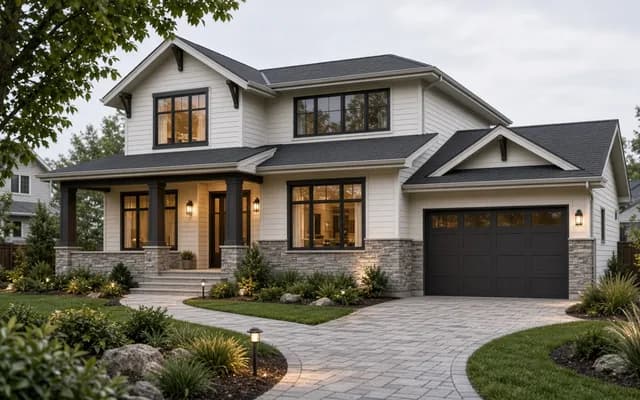 Service guideWhole-Home Automation
Whole-home automation connects lighting, climate, locks, cameras, shades and audio under one interface with scenes and schedules.
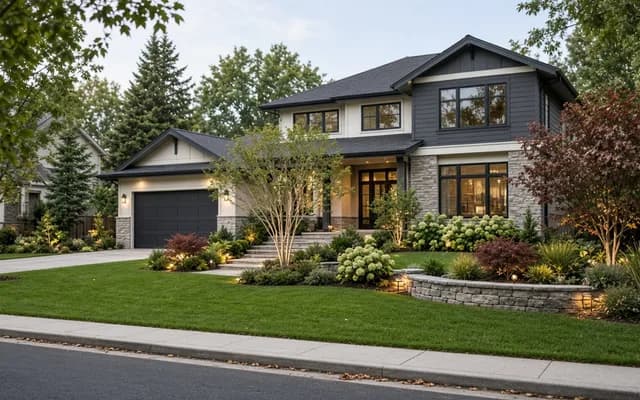 Service guideSmart Lighting Control
Smart lighting control replaces switches and dimmers, or adds keypads and schedules, so rooms respond to scenes, timers and occupancy while the wall switch keeps working.
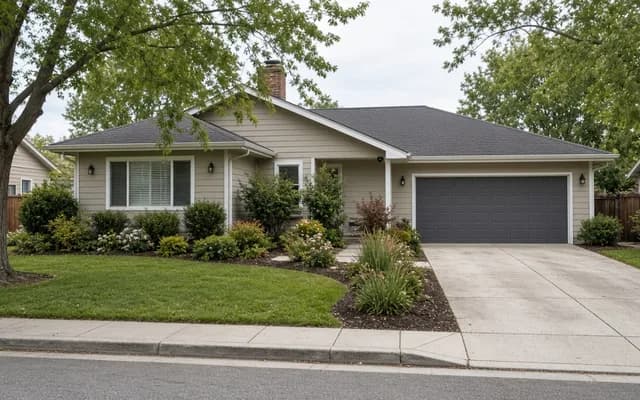 Service guideHome Security & Surveillance
Home security and surveillance covers cameras, door and window sensors, motion detection, video doorbells and smart locks, with or without a monitoring service.
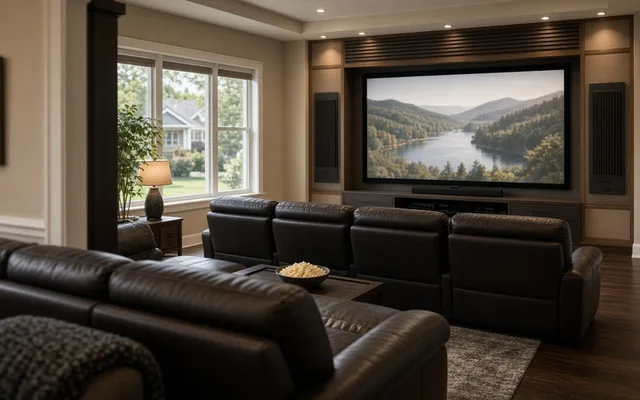 Service guideHome Theater & Audio
Home theater and audio installation covers dedicated theaters, living-room media setups and multi-room audio, including speakers, displays, receivers, cabling, equipment placement and the controls the household uses daily.
Tell us the size, the condition of what is there now, and what you want to change. Home Control Notes passes your request to independent local professionals, who reply with written, no-obligation estimates. The service is free to use.