What kind of lighting control do you want most?
No votes yet. Yours will be the first. · saved on this device
Loading...
Home Control Notes · Service guide
Smart lighting control replaces switches and dimmers, or adds keypads and schedules, so rooms respond to scenes, timers and occupancy while the wall switch keeps working. It suits households with evening routines, exterior lighting or dimming needs, and homes whose switch boxes have neutral wires. Costs run from a single switch to several thousand dollars for whole-home control.
Lighting is where most households meet automation, and it is the most forgiving first project. The EIA's 2024 survey found 10.3% of occupied U.S. homes use a smart speaker to control lights, more than any other voice-controlled function. The reason is simple: a bedtime scene or a porch light that follows sunset is felt every day, costs a few hundred dollars per room, and rarely requires opening a wall.
The decisions that matter are less glamorous than the app. Switches or bulbs? Does the switch box have a neutral wire? Will the dimmer flicker with your LED fixtures? What happens when the Wi-Fi drops? This page covers each, with 2026 price ranges and the questions that separate a durable installation from a box of returns. When you are ready, matched local pros provide free written estimates.
Want the numbers only? Read the smart lighting control cost guide for 2026 ranges, what moves the price, and sample budgets.
| Item | Low | High | Unit | Notes |
|---|---|---|---|---|
| Smart bulb | $15 | $70 | per bulb | Today's Homeowner |
| Smart switch or dimmer | $15 | $300 | per switch | Keypad-style at top of range |
| Scene keypad, dealer grade | $100 | $400 | per keypad | |
| Electrician labor | $80 | $100 | per hour | Today's Homeowner |
| Pulling a neutral wire to a switch box | $100 | $400 | per box | Accessible walls; more if concealed |
| Hub or bridge for Thread, Zigbee or Z-Wave | $60 | $400 | flat | |
| Whole-home lighting control, installed | $1,000 | $5,000 | flat | Today's Homeowner |
Switches control the fixture at the wall, so every bulb on the circuit becomes smart and the switch still works for guests and children. Bulbs give per-lamp color and dimming without an electrician, but they fail the moment someone flips the wall switch off. In a home where more than one person uses the room, switches win. Bulbs look like the thrifty route, and Parks Associates found 52% of DIY smart home users report setup or connectivity problems, but a bulb that goes dark at the wall is a false saving.
The practical rule: bulbs for table lamps and color accents, switches or dimmers for ceiling fixtures and anything with multiple bulbs, keypads at entry points and bedsides where a scene should be one press. The switch versus bulb comparison lays out cost, lifespan and fallback behavior side by side, and the whole-home page explains how lighting fits under a single platform.
Most smart switches need a neutral wire in the box to power their radio. Homes wired after the mid-1980s usually have one; older homes often route the neutral elsewhere, leaving only hot and load at the switch. Options are no-neutral switch models, which cost more and can be fussy with low-wattage LEDs, or having an electrician pull a neutral, which runs an hour or two of labor per box when the wall cavity is accessible and much more when it is not.
Have this checked before the estimate, not during installation. A pro can open one or two representative boxes in a few minutes. Parks Associates found 52% of DIY smart home users report setup or connectivity issues, and no-neutral boxes and mismatched dimmers are a large share of the lighting failures. The quiz includes a question on wiring era so you can guess before anyone arrives.
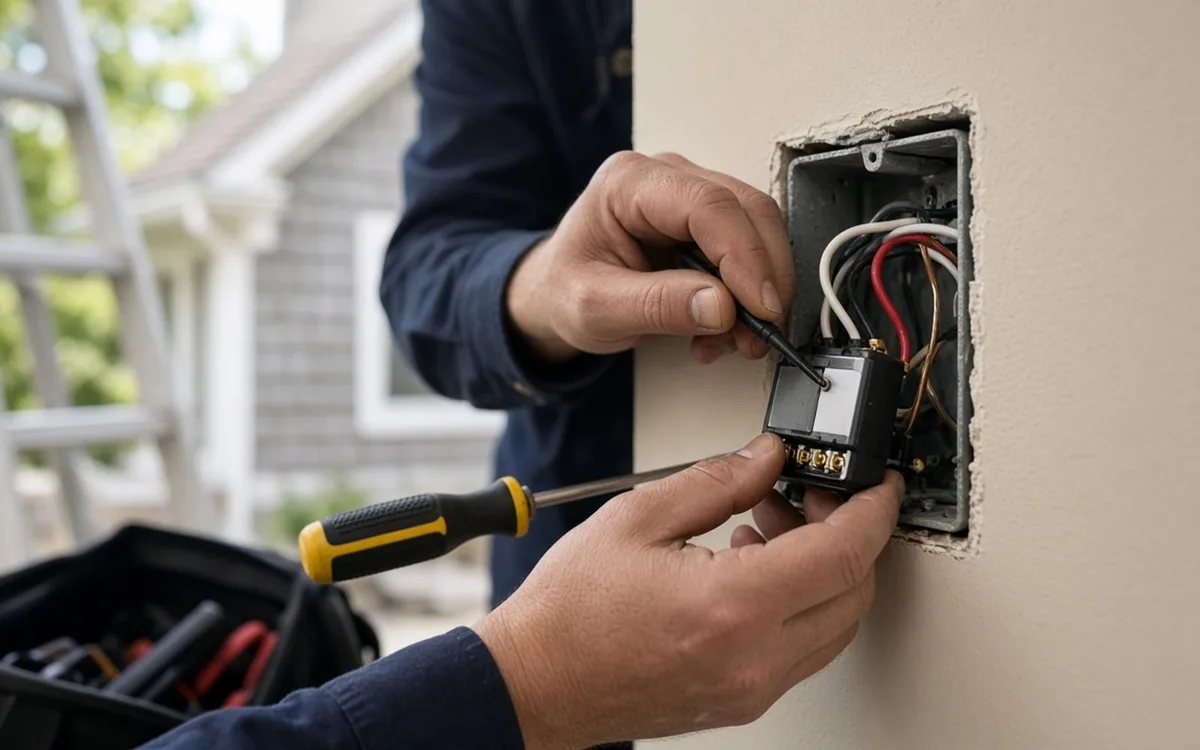
Today's Homeowner places fully automated whole-home lighting at $1,000–$5,000, with individual smart bulbs at $15–$70 and switches from $15 to $300 or more. Add electrician labor at roughly $80–$100/hr according to the same guide, and figure fifteen to thirty minutes per switch replacement when the box is standard, longer for three-way circuits and keypads. A twelve-switch home with two keypads and a hub typically lands between $1,500 and $3,500 installed.
Three things push a lighting estimate up: three-way and four-way circuits that need companion switches, exterior fixtures on separate circuits, and dealer-grade keypad systems that require a processor. Three things keep it down: choosing a Matter or Zigbee switch line that works with the hub you already have, limiting keypads to entry points and bedsides, and skipping color-changing bulbs in rooms where white dimming is enough. The calculator treats each switch or keypad as one control point.
| Item | 2026 range | Note |
|---|---|---|
| Smart bulb | $15–$70 each | Fails if wall switch is turned off |
| Smart switch or dimmer | $15–$300+ each | Neutral wire usually required |
| Scene keypad | $100–$400 each | Dealer platforms at the top of range |
| Electrician labor | $80–$100 per hour | 15–30 minutes per standard box |
| Whole-home lighting control | $1,000–$5,000 | Today's Homeowner |
A dimmer designed for incandescent loads will flicker, buzz or fail to dim LED fixtures below a certain level. Smart dimmers list minimum and maximum LED wattage, and integrated LED fixtures, especially recessed cans, publish compatible dimmer lists. Mismatches are the most common reason a lighting installation is called back. Ask the pro to confirm each dimmer against the fixture it controls, and to note fixtures that need replacement to dim smoothly.
Color temperature is the second detail. Tunable white fixtures that shift warm in the evening are a genuine comfort improvement, but they require compatible drivers or bulbs and a platform that supports the schedule. Decide room by room whether tunable white is worth the premium; bedrooms and living rooms usually yes, closets and garages no.
A wireless-switch retrofit is a one-day job for most homes: the electrician replaces switches box by box, the integrator pairs each to the hub, and scenes are programmed room by room. Keypad systems with a processor add a day for programming. Projects that pull neutrals or add exterior circuits stretch to two or three days and may involve drywall patching. Ask for a schedule that lists which rooms lose power when, because switch work requires circuits to be off.
The last hour matters most: a walkthrough where each person in the house presses the keypads, adjusts a scene and turns a light on from the wall with the Wi-Fi off. Voice is a convenience layer, not the control plan. Our analysis of the federal 2024 household survey found smart speakers in 35.6% of homes, yet among speaker owners voice lighting control is 6.8 pts less common below $100,000 of income (25.3%) than above it (32.1%). Plenty of households own the speaker and still reach for the wall. Physical controls at every entry point should be a requirement in the written proposal.
Buying bulbs for a room where people use the wall switch. Choosing a Wi-Fi-only switch line for a large house and overloading the router. Installing dimmers without checking the fixture's LED compatibility. Mixing three protocols so the hub needs three bridges. Registering the lighting account to the installer. Each is avoidable with a written specification that names the platform, the switch line, the hub and the account owner before any equipment is ordered.
Exterior lighting benefits most from schedules that follow sunset, and it needs weather-rated devices. In cold regions, choose switches and sensors rated for the temperatures your porch actually sees, and place hubs indoors. In hot regions, avoid enclosed fixtures that cook LED drivers. By our analysis of the EIA's 2024 survey, smart-speaker lighting control sits near 10.3% nationally, from 10.1% in the Northeast and South to 10.7% in the West, so adoption is national rather than regional. The locations page has more regional context.
Ask each bidder for the switch and keypad model numbers, the hub or processor, the count of three-way circuits, labor hours, programming and the account plan. Compare fallback behavior first: does every fixture work from the wall with the network down? Then compare the platform: does it match the one running your locks and thermostat, or does it add another app? A cheaper bid built on Wi-Fi bulbs is a different project from one built on switches. If an electrician is already coming, add small jobs to the visit; Vivint prices a professionally installed smart thermostat at $200–$500 against $100–$300 for the device alone. Use the polls to see what other homeowners chose.
Home Control Notes ran these numbers on the federal government's own household data. You won't find them in a contractor's brochure.
Home Control Notes analysis · 2024
95% interval 29.9%–34.4% · about 6.2 million homes · 2,593 survey households
95% interval 23.3%–27.3% · about 3.8 million homes · 1,909 survey households
Difference: 6.8 percentage points (95% interval 3.9 to 9.8).
Voice control of lights is more common in higher-income smart-speaker homes. Plan switches and scenes that work without the speaker too, so the lights don't depend on one device.
Source: Home Control Notes analysis of 2024 federal household survey data from the U.S. Energy Information Administration. How we calculated it
Homeowner polls
No votes yet. Yours will be the first. · saved on this device
No votes yet. Yours will be the first. · saved on this device
 Service guideWhole-Home Automation
Whole-home automation connects lighting, climate, locks, cameras, shades and audio under one interface with scenes and schedules.
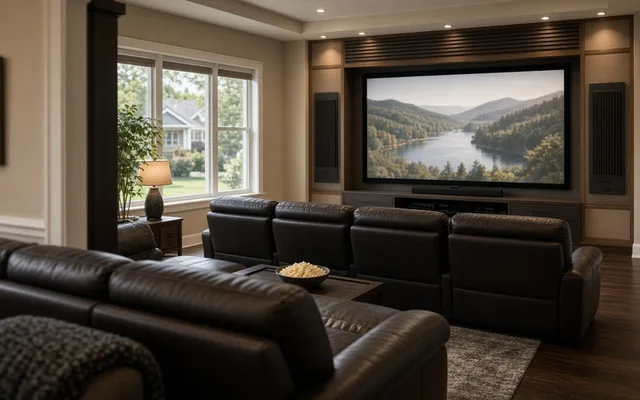 Service guideHome Theater & Audio
Home theater and audio installation covers dedicated theaters, living-room media setups and multi-room audio, including speakers, displays, receivers, cabling, equipment placement and the controls the household uses daily.
 Service guideHome Security & Surveillance
Home security and surveillance covers cameras, door and window sensors, motion detection, video doorbells and smart locks, with or without a monitoring service.
Yes, but each three-way or four-way circuit needs a smart switch plus one or more companion switches from the same product line, or a smart switch that supports the existing dumb switch as a remote. Companion switches cost less than the main switch but add up in hallways and stairwells. Count these circuits before requesting estimates because they are the most common reason a lighting quote grows after the walkthrough.
For a room or two on Wi-Fi switches, no. For a whole house, a hub that speaks Thread, Zigbee or Z-Wave keeps dozens of switches off the router, runs schedules locally when the internet drops, and makes the system easier to migrate later. Hubs cost $60 to $400. If you already own a smart speaker or display that includes a Thread border router, some Matter-over-Thread switches can use it, which is worth checking before buying a separate hub.
Usually because the dimmer's minimum load or dimming method does not match the fixture's driver. Many LED fixtures need a dimmer rated for low wattage and either trailing-edge or specific phase-cut dimming. The fix is a compatible dimmer, a compatible bulb, or in some integrated fixtures a replacement fixture. Ask the installer to test each dimmer with its fixture before closing up, and to note any fixtures that cannot be dimmed smoothly.
Modestly. Schedules and occupancy sensing stop lights being left on, and dimming reduces draw, but LED lighting is already a small share of household energy. The savings from thermostat automation dwarf it: ENERGY STAR certified smart thermostats cut heating and cooling costs about 8% a year. Choose lighting control for convenience and safety, and expect the energy return to be a bonus rather than a payback story.
Bulbs and plug-in modules need no wiring changes and leave with you, which makes them the renter's option. Replacing switches is usually a landlord or association matter, and in a condo it may require a licensed electrician regardless. Keep the original switches, label them, and reinstall them when you move. For anyone who owns their walls, switches remain the better long-term choice.
Scenes and schedules live in the platform, so they need rebuilding; the switches themselves usually carry over if they are Matter-certified or use a common protocol such as Zigbee or Z-Wave. Choosing switches by protocol rather than by app is the main way to protect the hardware investment. Keep a written list of each scene and what it does so a rebuild takes an afternoon rather than a rediscovery.
In hallways, bathrooms, closets, garages and laundry rooms, yes. In living rooms and bedrooms they annoy people who sit still. Choose sensors that report to the same hub as the switches so lights react locally, and set daytime lux thresholds so sensors do not fire in a sunlit room. Battery sensors on Thread or Zigbee last a year or more; Wi-Fi sensors often need charging monthly.
Prioritize path lighting from bed to bathroom at low levels, keypads with large labeled buttons at bedsides and entries, and automatic exterior lighting. Avoid app-only controls for daily tasks and avoid voice as the sole method. Tunable white that brightens in the morning and warms at night helps sleep regulation. Ask the pro to program a single 'all off' and 'all on' button at each entry so nobody has to remember scenes.
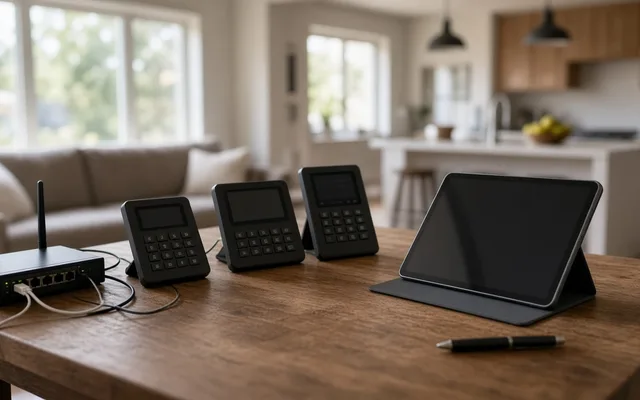 Free toolSmart home cost calculator: size a budget by control points
Size, material tier and complexity in, a realistic budget range out.
 Free toolSmart home comparisons: the five decisions that shape the project
Side-by-side tables for the decisions that change the price most.
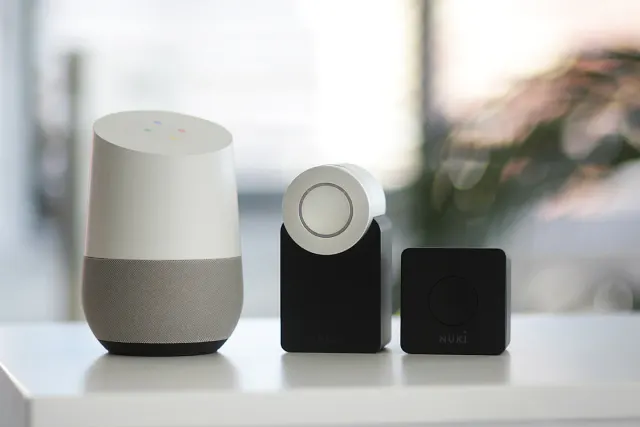 Free toolSmart home readiness quiz: do you know the details installers will ask about?
10 questions that show what you already know and what to check next.
 Free toolSmart home polls: how other homeowners weighed the same decisions
See what other planners chose and add your vote.
Tell us the size, the condition of what is there now, and what you want to change. Home Control Notes passes your request to independent local professionals, who reply with written, no-obligation estimates. The service is free to use.