Which approach are you leaning toward for your smart home?
Deloitte found fewer than a third of consumers have committed to a single ecosystem.
No votes yet. Yours will be the first. · saved on this device
Loading...
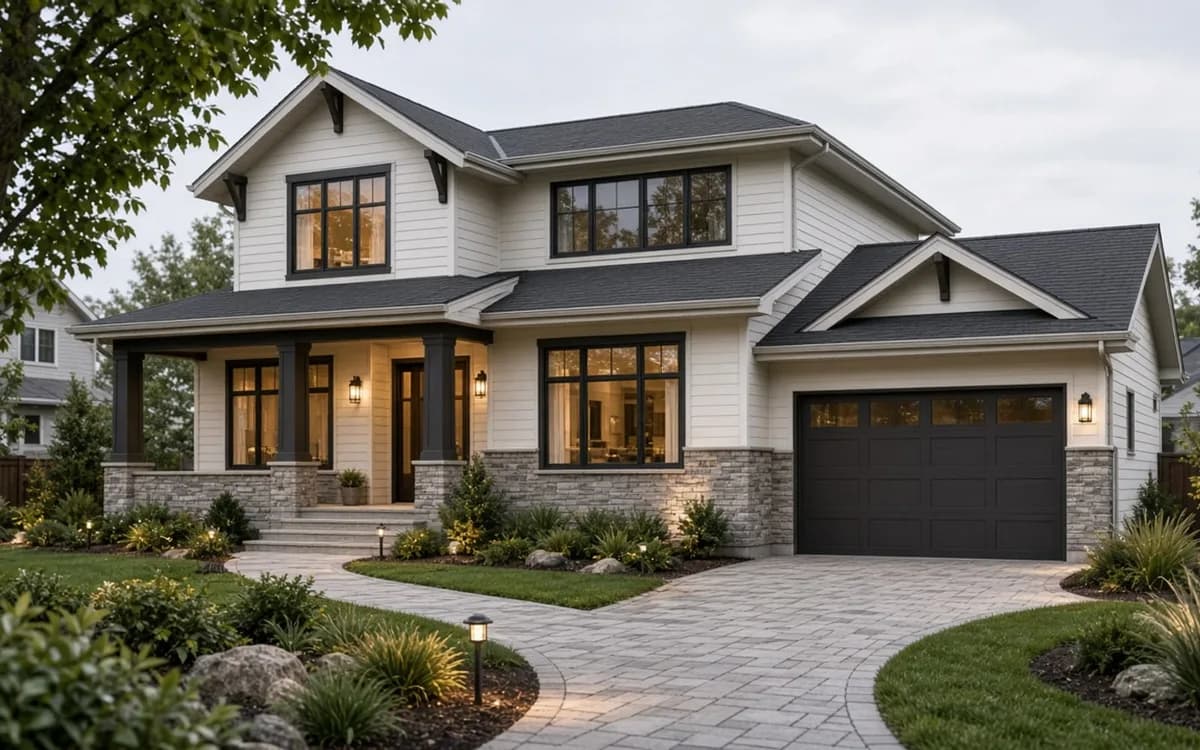
Home Control Notes · Service guide
Whole-home automation connects lighting, climate, locks, cameras, shades and audio under one interface with scenes and schedules. It suits households with several subsystems and a clear support preference. A good project starts with an inventory of existing devices and the network, sets fallback behavior in writing, and ends with a documented handover so daily use never depends on the installer.
A whole-home system is a coordination layer, not a shopping list. The value comes from a leaving-home scene that locks doors, arms sensors, lowers the thermostat and turns off lights in one press, and from a network that keeps those scenes running when the internet drops. Deloitte's research found the typical smart home adopter owns ~7 devices, usually across several apps, which is precisely the mess integration is meant to end.
The projects that go well share three habits: the platform is chosen before any device is bought, physical controls exist for everyday tasks, and the owner holds every administrator account. The projects that go badly tend to be built device by device, with a dealer login the homeowner never sees. This page covers what the work costs, how to choose a platform, and what to require in the written proposal before you compare estimates from matched local integrators.
Want the numbers only? Read the whole-home automation cost guide for 2026 ranges, what moves the price, and sample budgets.
| Item | Low | High | Unit | Notes |
|---|---|---|---|---|
| Consumer starter system (hub, thermostat, doorbell, lighting) | $201 | $1,519 | flat | Angi 2026 benchmark |
| Hub-based automation, select rooms | $2,000 | $5,000 | flat | HomeGuide 2026 |
| Whole-home integration, mid-range | $5,000 | $15,000 | flat | HomeGuide 2026 |
| Installation labor | $80 | $100 | per hour | Today's Homeowner |
| Rewiring for a full system | $2,000 | $10,000 | flat | Depends on home size |
| Smart thermostat, installed | $200 | $500 | per unit | Vivint 2026 |
| Network upgrade (router, access points, VLAN) | $500 | $2,500 | flat | Typical integrator scope |
Integration pays off when at least two subsystems need to react to each other and more than one person needs to control them without training. A household with a security system, lighting in six rooms and a media room is a candidate. Parks Associates found 18% of internet households now run six or more smart devices, and that enthusiast tier is where single-app control stops being a luxury.
It is the wrong purchase for a household with one routine to fix, or one that will resent dealer dependency. Deloitte reported 77% of adopters say devices improve their quality of life, but 20% report frustration or added complexity, and complexity grows with device count. If you are unsure which camp you are in, the readiness quiz sorts that out in a few minutes, and the lighting page describes the smaller project that satisfies many households.
There are three tiers. A shared consumer platform from Apple, Google, Amazon or Samsung costs nothing beyond the devices and now supports Matter, which is expected to reach 4,200+ certified products by late 2026. A hub-based system adds a local controller that speaks Thread, Zigbee and Z-Wave, keeps automations running offline, and is usually the sweet spot for a mid-sized home. A dealer-installed platform adds professional programming, custom keypads and a single interface across everything, at a price that includes ongoing support.
The right choice follows the people in the house. Deloitte found 79% of consumers rate interoperability as important, yet fewer than a third committed to one ecosystem. Commit early. Write the platform into the specification and require that every proposed device either works natively with it or carries Matter certification. Read the consumer platform versus professional system comparison for the full trade-off table.
| Tier | Upfront | Runs offline? | Who makes changes | Fits |
|---|---|---|---|---|
| Consumer platform | $201–$1,519 typical starter | Partly | You | One to five rooms, few subsystems |
| Hub-based system | $2,000–$5,000 | Yes, local hub | You or an installer | Mid-sized home, mixed brands |
| Dealer-installed | $5,000–$15,000+ | Yes, local processor | Authorized dealer | Many rooms, custom keypads, support contract |
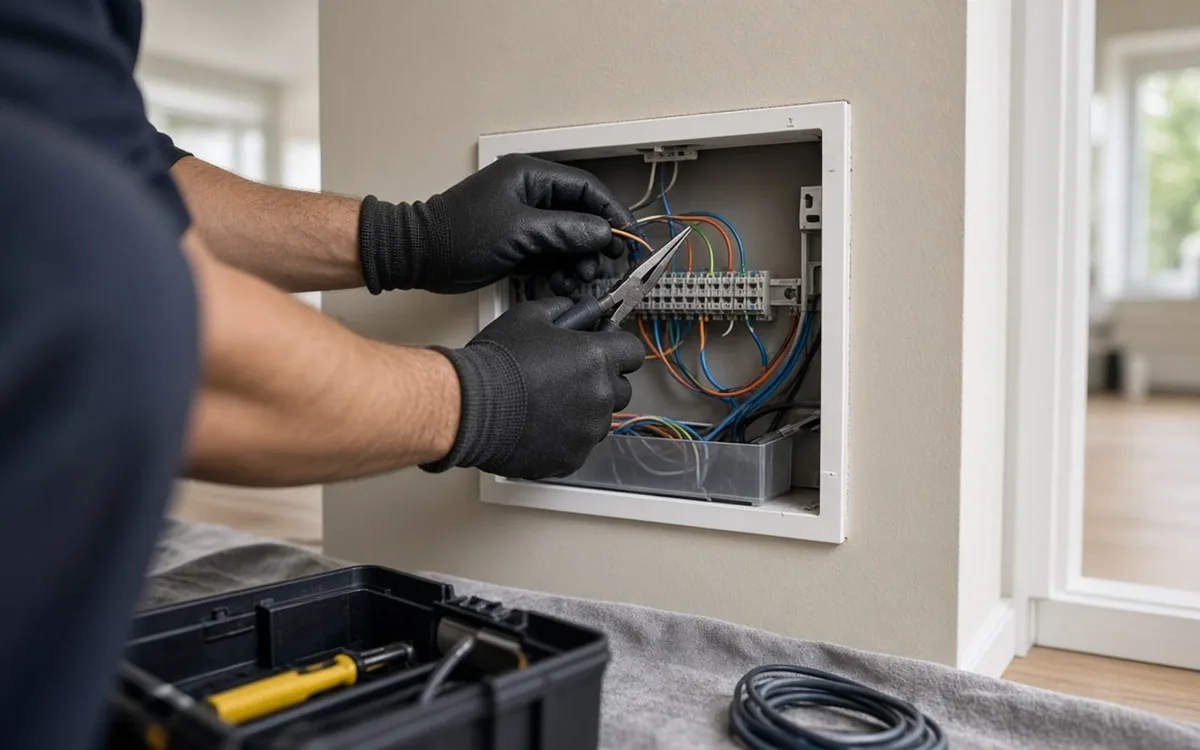
Angi's 2026 benchmark of $771 describes a consumer starter setup, not integration. HomeGuide's tiers are the better guide for this service: $2,000–$15,000+ depending on how far the system reaches. Four things move the price: the number of control points, network improvements, new wiring, and programming hours. Today's Homeowner reports labor at $80–$100/hr and rewiring at $2,000 to $10,000 for a full system.
Recurring costs deserve their own line. Dealer platforms may charge for remote access; camera brands charge for cloud storage; monitoring runs $30–$60/mo according to SoFi. Households already spend $896 a year on connected devices per Deloitte, so ask each bidder to project year-one and year-five totals, not just the installation invoice. The calculator gives a starting figure by device count and complexity.
With 17 devices on the average internet household's network and more arriving each year, the router is the foundation. Consumer routers handle roughly 30 to 50 active clients before performance degrades, and video streams, cameras and Wi-Fi bulbs all compete. A whole-home plan should specify a router or gateway rated for the device count, wired backhaul to access points on each floor, and a separate network segment for cameras and appliances.
Thread, Zigbee and Z-Wave devices sidestep the problem by forming their own mesh through a hub, which is one reason hub-based systems outperform Wi-Fi-only builds at scale. The EIA found broadband in 73.2% of occupied primary residences in 2024, and broadband speed is rarely the constraint; coverage and client count are. A network assessment is a reasonable first purchase even if the larger project waits.
A well-run project has five steps. First, inventory: every existing device, its platform, and whether it stays. Second, specification: the platform, the scenes, the fallback behavior, the accounts. Third, network and wiring, which happens before devices go in. Fourth, installation and programming, usually one to three days on site for a wireless-heavy retrofit and one to three weeks when walls open. Fifth, handover, where each person who lives in the house operates the system without the installer's help.
Parks Associates' finding that 52% of DIY users hit setup or connectivity problems is worth remembering at step three. Most of those failures are network problems, not device problems, and a professional fixes them once rather than room by room. Ask for a schedule that names each step and a punch list at the end that includes the documentation, not just the hardware.
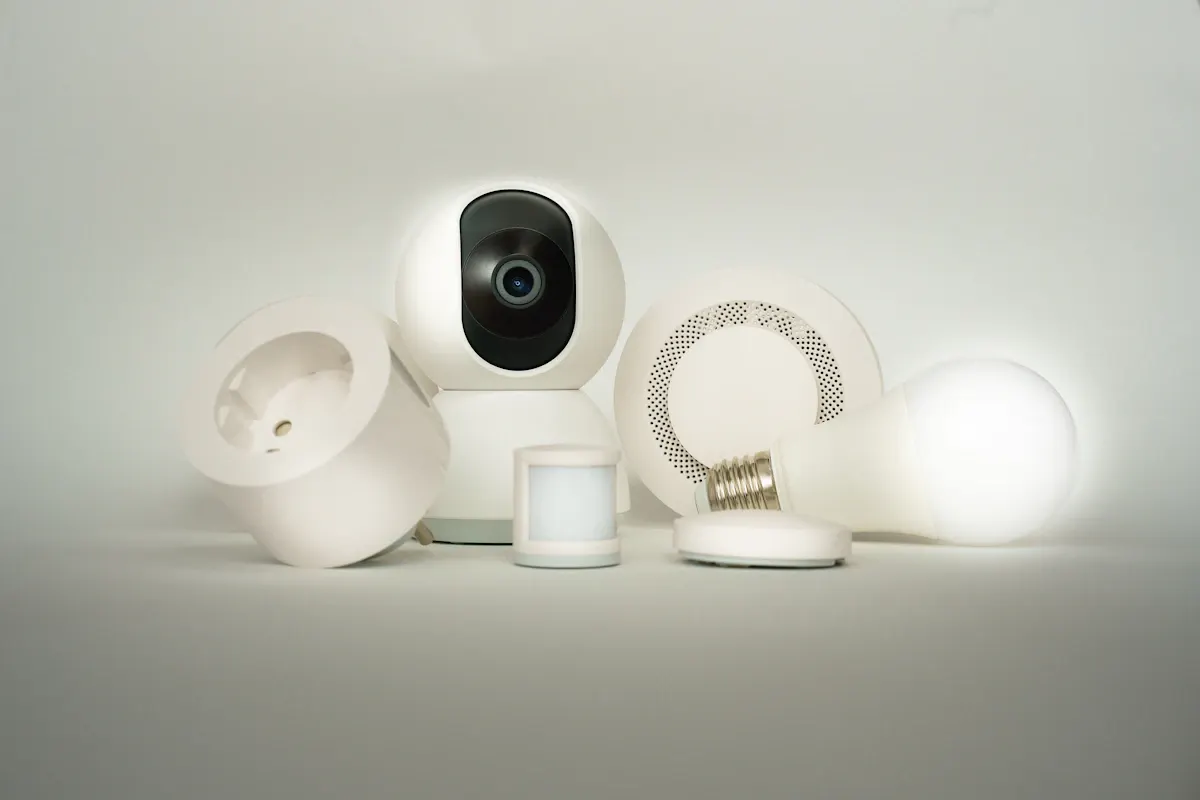
The proposal should list, device by device, what needs the cloud, what needs the local hub, and what works with no network at all. Lights must switch at the wall. Locks must open with a code stored on the lock and a physical key. Thermostats hold their schedule. Cameras that record locally keep recording. Audio has at least one source that plays without a streaming login. Anything that cannot meet that standard should be limited to convenience functions.
Test it before final payment. Unplug the internet and run the morning routine. Cancel nothing, but ask the installer to show which functions would stop if each subscription lapsed. That demonstration takes twenty minutes and exposes the difference between a system that lives in your house and one that lives on a server. The security page goes deeper on camera storage choices.
Deloitte found 70% of consumers worry about connected-device privacy, and the most common structural cause is an installer-owned account. Require that the owner account on the hub, each camera brand, the locks, the thermostat and the audio platform is created in your name with two-factor authentication, and that the installer is a secondary user you can remove. Ask for a written list of every account and what it controls.
The handover document should also cover updates and backups: how firmware is applied, whether the configuration can be exported, and where the programming file is stored. If the platform requires an authorized dealer, ask how another dealer takes over. Households that skip this step end up rebuilding the system when the relationship ends. The contact page lists what to include in a request so bidders price the handover from the start.
Climate shapes the highest-value automation. In hot-summer and cold-winter regions, an ENERGY STAR smart thermostat's 8% / $50 saving on heating and cooling grows because the baseline bill is larger, and pairing it with shade control adds to that. In freeze-prone areas, a water shutoff valve is the device with the clearest return; LexisNexis found claims fell 96% after installation. Regional adoption details are on the locations page.
At resale, buyers value infrastructure. Zillow's 2025 trends report found EV chargers in +34% more listings and batteries up 62%. Structured wiring, a rack closet and documented layouts transfer; personal-account bulbs do not. Only 3% of households buy a smart appliance in a given year according to Parks Associates, so integrate appliances at replacement time rather than replacing working ones.
Ask every bidder for equipment with model numbers, wiring, installation labor, programming, training and recurring fees as separate lines. Then compare three non-price items: offline behavior, account ownership and takeover process. A proposal that is cheaper because it omits a hub, uses cloud-only video or registers the system to the dealer is a different project, not a better price. Bring the comparison tables and ask each bidder to place their proposal in the right column.
Homeowner polls
Deloitte found fewer than a third of consumers have committed to a single ecosystem.
No votes yet. Yours will be the first. · saved on this device
No votes yet. Yours will be the first. · saved on this device
No votes yet. Yours will be the first. · saved on this device
 Service guideSmart Lighting Control
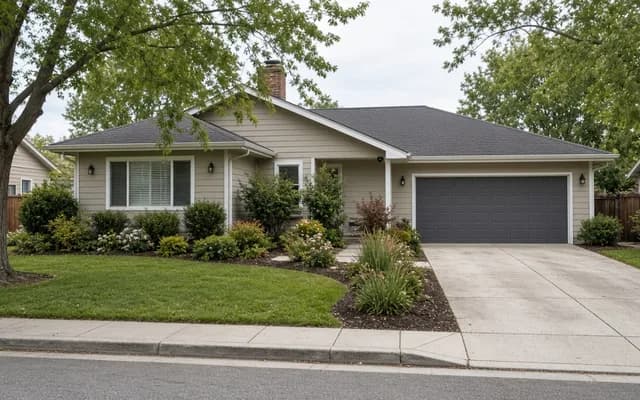
Smart lighting control replaces switches and dimmers, or adds keypads and schedules, so rooms respond to scenes, timers and occupancy while the wall switch keeps working.
 Service guideHome Security & Surveillance
Home security and surveillance covers cameras, door and window sensors, motion detection, video doorbells and smart locks, with or without a monitoring service.
 Service guideHome Theater & Audio
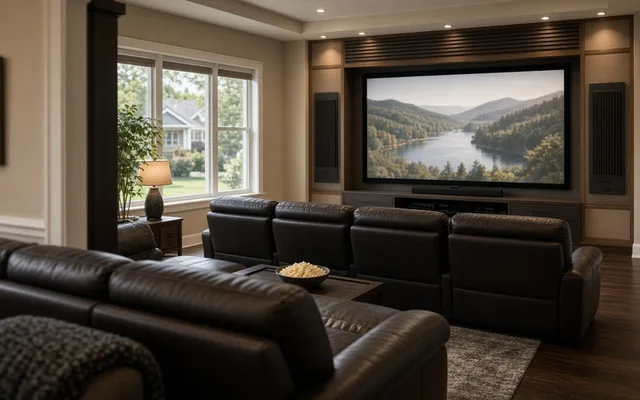
Home theater and audio installation covers dedicated theaters, living-room media setups and multi-room audio, including speakers, displays, receivers, cabling, equipment placement and the controls the household uses daily.
Not yet. Matter lets a light, plug, lock, sensor or thermostat be controlled by several platforms at once, which reduces lock-in for those categories. But scenes, schedules and the app you use every day still live in one platform, and cameras, audio and many appliance features are outside Matter's current scope. Choose a platform for the daily interface, then require Matter certification wherever it exists so devices can follow you if you switch later.
Around a dozen, or sooner if any are battery sensors or locks. Wi-Fi devices each consume a router client slot and drain batteries quickly; Thread, Zigbee and Z-Wave devices form their own low-power mesh through a hub and keep automations running without the internet. A hub costs $100 to $400 and is typically the single upgrade that makes a mixed-brand home feel like one system.
It varies by platform. Some allow homeowners to edit schedules, scenes and user codes in the app while reserving deeper programming for the dealer. Others require a dealer visit or remote session for nearly everything, billed hourly. Ask for a written list of what you can change yourself, what the dealer charges for changes, and what happens to remote support if you stop paying the service plan.
A list of every account with the owner's name on it, instructions for removing installer access, model numbers and locations of each device, network details including the hub and any VLANs, a copy or export of the programming file, the firmware update process, and a short operating guide for each person in the household. A twenty-minute walkthrough with the internet unplugged should be part of the final visit.
Only at replacement time. Parks Associates found smart appliance ownership rose to 23% of internet households in 2025, but only 3% buy one in a given year. Replacing a working refrigerator to add connectivity is poor value. When an appliance does reach end of life, check whether the replacement supports your platform or Matter, and treat its app as a secondary tool rather than a reason to change ecosystems.
Expect one to three days for a system with lighting in eight to twelve rooms, a security subsystem, a thermostat and a media room. At $80 to $100 an hour that is $700 to $2,500, and it should appear as its own line on the estimate. Programming that is bundled into equipment pricing is hard to compare across bidders and makes later changes look free when they are not.
Decline, politely and in writing. The owner account should be yours, with the installer added as an administrator or secondary user you can remove. Legitimate reasons for dealer registration exist on some platforms, but even those allow the homeowner to be the primary owner. If a bidder insists, ask what happens when you sell the house or change installers; the answer usually settles the question.
Generally no, since integration uses each device's supported interface. Warranties are more often affected by owner-supplied equipment the installer did not source, by modifications such as replacing firmware, or by installation outside the maker's guidelines. Ask which devices are supplied and warranted by the installer, which carry only the manufacturer's warranty, and who handles a warranty claim when a device fails inside the system.
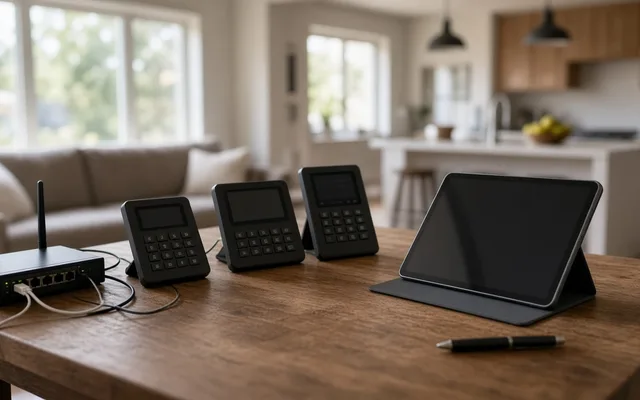 Free toolSmart home cost calculator: size a budget by control points
Size, material tier and complexity in, a realistic budget range out.
 Free toolSmart home comparisons: the five decisions that shape the project
Side-by-side tables for the decisions that change the price most.
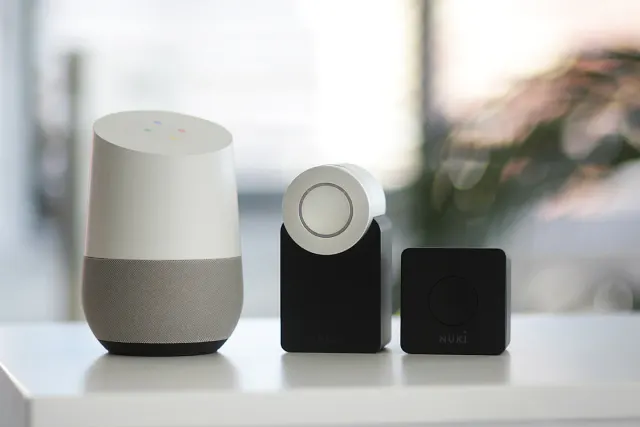 Free toolSmart home readiness quiz: do you know the details installers will ask about?
10 questions that show what you already know and what to check next.
 Free toolSmart home polls: how other homeowners weighed the same decisions
See what other planners chose and add your vote.
Tell us the size, the condition of what is there now, and what you want to change. Home Control Notes passes your request to independent local professionals, who reply with written, no-obligation estimates. The service is free to use.