What total budget are you planning for the project?
Angi's 2026 consumer benchmark averages $771; HomeGuide's whole-home tier is $5,000 to $15,000.
No votes yet. Yours will be the first. · saved on this device
Loading...
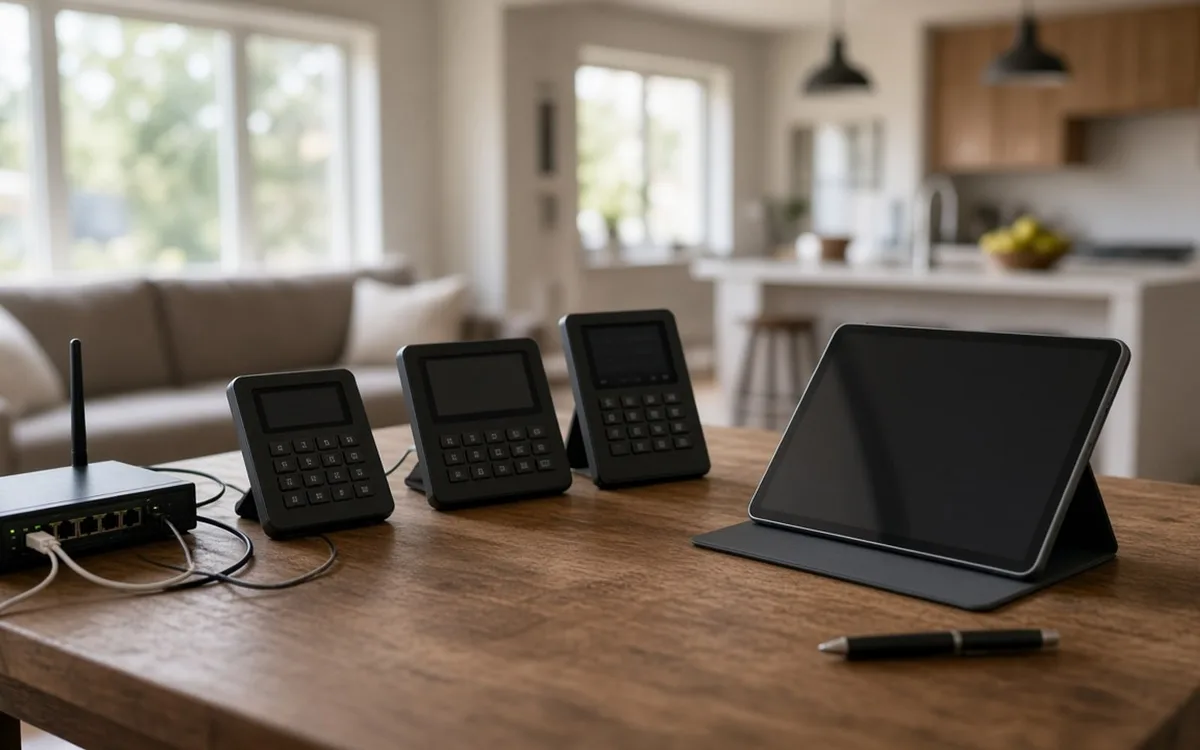
Home Control Notes · Cost calculator
This calculator estimates installed cost from the number of control points (switches, keypads, locks, cameras, sensors, thermostats, audio zones), the platform tier and the wiring complexity, then adds optional items such as a network upgrade or monitoring. It is anchored to Angi's 2026 consumer benchmark and scaled with HomeGuide's whole-home tiers.
Skip to the calculatorBase rates are anchored to: Angi, How Much Does a Smart Home System Cost (2026); HomeGuide, How Much Does a Smart Home Cost (2026); Today's Homeowner, How Expensive Are Smart Homes (2023); Vivint, How Much Does Home Automation Cost (2026); SoFi, How Much Do Smart Homes Cost (2025).
By the numbers
$771
average cost of a consumer smart home system, range $201–$1,519 (Angi, 2026)
Angi's cost guide, updated March 2026, covers a basic connected setup such as a hub, thermostat, lighting and doorbell. Bespoke whole-home integration, new wiring, theater equipment and recurring support are different projects.
Angi, How Much Does a Smart Home System Cost (2026)$2,000–$15,000+
HomeGuide smart home tiers: select rooms, whole-home, fully custom (2026)
HomeGuide's tiers reflect how far integration extends: $2,000–$5,000 for select rooms, $5,000–$15,000 for whole-home integration, and $15,000 and up for fully custom systems.
HomeGuide, How Much Does a Smart Home Cost (2026)$80–$100/hr
professional smart home installation labor rate (prices as of January 2023)
Today's Homeowner notes rewiring a whole home typically costs $2,000–$4,000 and can reach $10,000 in larger homes, which is why retrofit projects should be scoped room by room and labor listed separately. Its prices are marked as of January 2023; HomeAdvisor's June 2026 camera-installation labor rate of $50–$100 an hour is a newer cross-check.
Today's Homeowner, How Expensive Are Smart Homes (2023)17 devices
connected devices in the average U.S. internet household (2025)
Parks Associates says the count has roughly doubled since 2014. Network capacity and wired backhaul are prerequisites for any whole-home design, because client count rather than internet speed is the usual bottleneck.
Parks Associates, The Smart Home in 2025: Outlook and Opportunities (2025)Angi's 2026 guide puts a consumer smart home setup at $771 on average, within a $201 to $1,519 range, for roughly a hub, thermostat, a few lighting devices and a doorbell. Dividing that benchmark by a typical eight control points gives about $95 per point installed at the consumer tier, which is the base rate here. Professional tiers scale up from there toward HomeGuide's $2,000–$15,000+ whole-home ranges.
Count every control point, choose the tier you intend to run and the complexity that matches your house, and add the extras you expect. Then read the assumptions under the result. The number is meant to help you decide whether to phase the work and to recognize an estimate that is far outside the range.
Each device that a person or a scene controls: a smart switch or dimmer, a keypad, a lock, a camera, a door or motion sensor, a thermostat, a shade motor, an audio zone. A hub does not count; it is included in the tier. Smart bulbs count as one point per fixture, not per bulb. A multi-room audio zone counts as one point even with two speakers. Parks Associates puts the average internet household at 17 devices, though many are phones and TVs rather than control points.
The consumer tier assumes retail devices on a shared platform such as Apple, Google, Amazon or Samsung, installed by a pro at Today's Homeowner's $80–$100/hr rate; Vivint's 2026 figure of $200–$500 for an installed thermostat is a useful single-point check. The hub-based tier adds a local controller, Thread or Zigbee devices and programming, which roughly doubles the per-point figure. The professional tier assumes a dealer platform with custom keypads and a processor, at two to three times the consumer rate, consistent with HomeGuide's $5,000 to $15,000 whole-home range for a mid-sized system.
Complexity reflects the house. Simple means neutral wires present, good Wi-Fi and no new cabling. Moderate means a network upgrade and some cable runs. Involved means new circuits, a rack, many cable pulls or plaster walls, where Today's Homeowner's $2,000 to $10,000 rewiring figure starts to apply. The quiz helps you judge which applies before you guess.
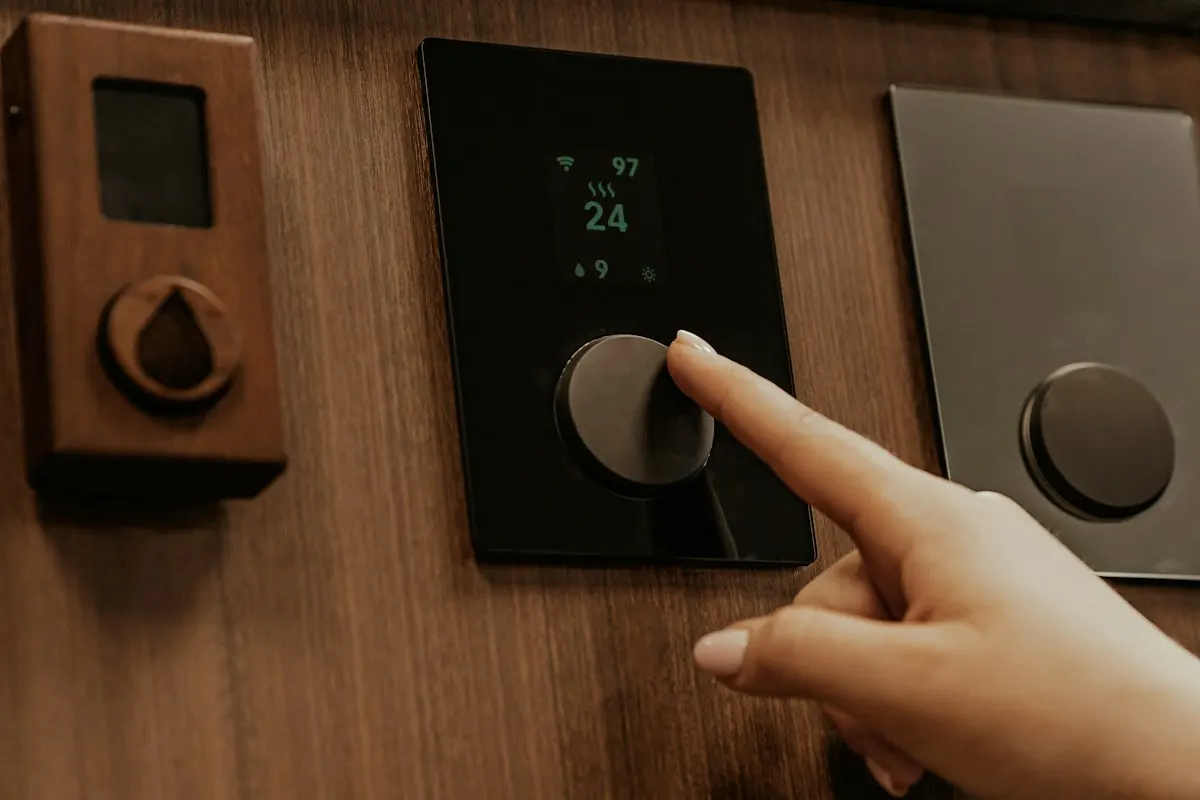
Recurring fees. Monitoring at $30–$60/mo and camera cloud storage add up over five years and are listed as add-ons only where they carry an installation component. Construction: drywall, paint, seating for a theater and electrical panel work are separate. Equipment at the top of the market, such as a projector and screen for a dedicated theater, exceeds any per-point average. Ask bidders to price those lines separately, and use the comparison pages for the recurring-cost decisions.
If a proposal is far above the range, look for scope the calculator did not model: rewiring, a dealer platform, a theater. If it is far below, look for what was left out: a hub, a recorder, switches replaced with bulbs, programming bundled into 'free' equipment. Neither is wrong, but each is a different project; Angi puts an average consumer system at $771 within a $201–$1,519 range, so ask which lines were trimmed. Take the result and its assumptions to the contact page so bidders start from the same scope.
Homeowner polls
Angi's 2026 consumer benchmark averages $771; HomeGuide's whole-home tier is $5,000 to $15,000.
No votes yet. Yours will be the first. · saved on this device
Parks Associates puts the average U.S. internet household at about 17.
No votes yet. Yours will be the first. · saved on this device
Because cost follows devices and the labor to install and program each one, not floor area. A large bedroom with one switch costs less than a small kitchen with four switches, a keypad and under-cabinet lighting. Counting control points also makes proposals comparable: two bids for the same twelve points can be lined up device by device, which a per-room figure hides.
Count them if the installer will integrate and program them, at perhaps half weight, since the device cost is already paid but pairing and scene work remain. Leave them out if they will stay standalone. The request you send to installers should list them either way, because existing devices determine which platform is cheapest to build around.
No. The multiplier covers the processor, keypads, programming and installation. Support plans, remote access fees and dealer programming changes are recurring and vary widely; ask each bidder to state them for years one and five. A professional system with no support plan can be cheaper than a consumer system with three subscriptions over five years, or the reverse.
Poorly, by design. A dedicated theater's cost is dominated by the projector, screen, seating and acoustics, which no per-point average captures. Count the audio zones and the control device and use the audio zone add-on, then read the home theater service page for the $15,000 to $50,000 range of a dedicated room. For a living-room setup, the per-point model is reasonable.
Check what was omitted. Common reasons: Wi-Fi bulbs instead of switches, cloud-only video with no recorder, no hub, programming bundled into equipment, or the installer registering the system to their own account and skipping documentation. A lower price for a lesser project is not a bargain. Ask the bidder to map their proposal to the calculator's assumptions.
The days figure assumes moderate complexity and roughly ten to twelve control points installed and programmed per day, which matches a wireless-heavy retrofit. New cabling, plaster walls and dealer programming slow it down; simple switch swaps speed it up. Ask for a schedule that separates rough-in, device installation, programming and the handover session.
Use it to ask questions rather than to demand a number. A bidder who explains why their price sits above the range because of rewiring or a dealer platform is being straightforward. A bidder who cannot explain the difference is the concern. The most productive negotiation is usually about phasing and scope, not about the hourly rate.
 Free toolSmart home comparisons: the five decisions that shape the project
Side-by-side tables for the decisions that change the price most.
 Free toolSmart home readiness quiz: do you know the details installers will ask about?
10 questions that show what you already know and what to check next.
 Free toolSmart home polls: how other homeowners weighed the same decisions
See what other planners chose and add your vote.
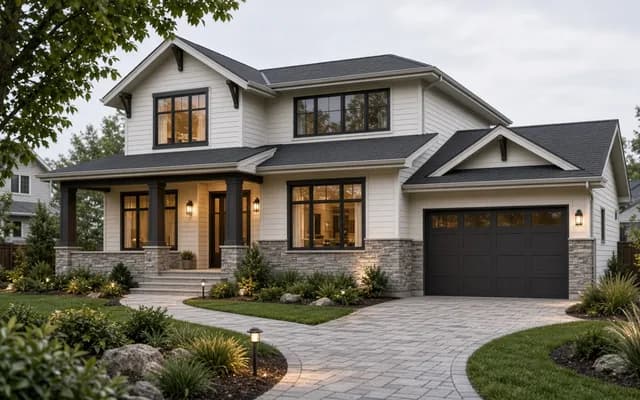 Service guideWhole-Home Automation
Whole-home automation connects lighting, climate, locks, cameras, shades and audio under one interface with scenes and schedules.
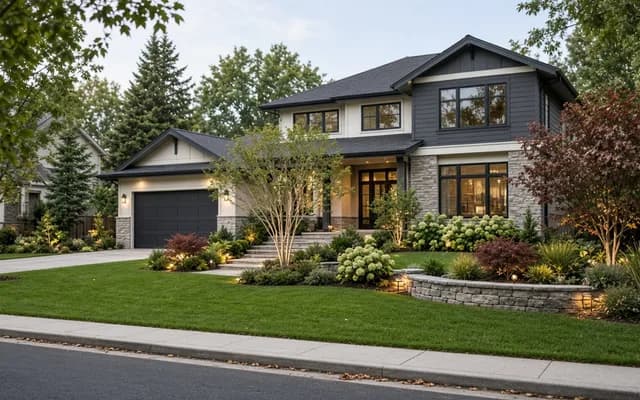 Service guideSmart Lighting Control
Smart lighting control replaces switches and dimmers, or adds keypads and schedules, so rooms respond to scenes, timers and occupancy while the wall switch keeps working.
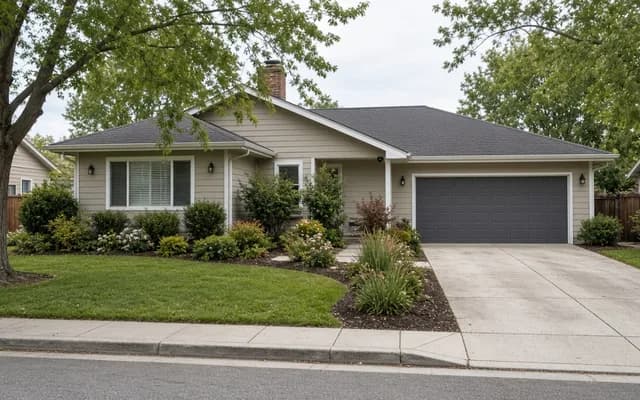 Service guideHome Security & Surveillance
Home security and surveillance covers cameras, door and window sensors, motion detection, video doorbells and smart locks, with or without a monitoring service.
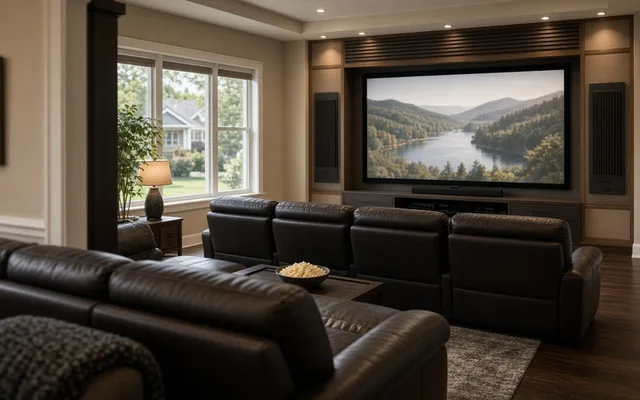 Service guideHome Theater & Audio
Home theater and audio installation covers dedicated theaters, living-room media setups and multi-room audio, including speakers, displays, receivers, cabling, equipment placement and the controls the household uses daily.
Tell us the size, the condition of what is there now, and what you want to change. Home Control Notes passes your request to independent local professionals, who reply with written, no-obligation estimates. The service is free to use.