Which routine would you automate first?
No votes yet. Yours will be the first. · saved on this device
Loading...
Home Control Notes · Services
Smart home work breaks into four scopes: lighting control for switches, dimmers and scenes; security and surveillance for cameras, sensors and locks; theater and audio for rooms where you watch and listen; and whole-home automation that ties those together under one interface. This page explains who each suits, what it costs, and when to skip it.
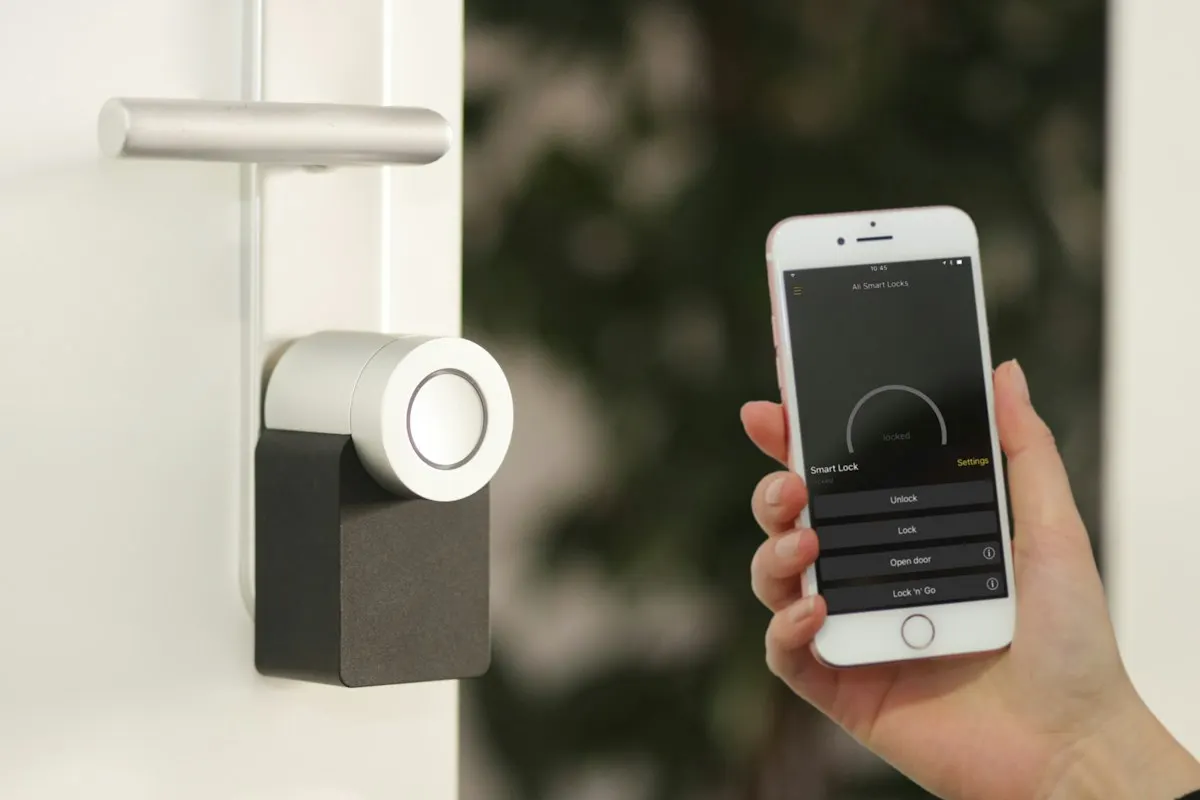
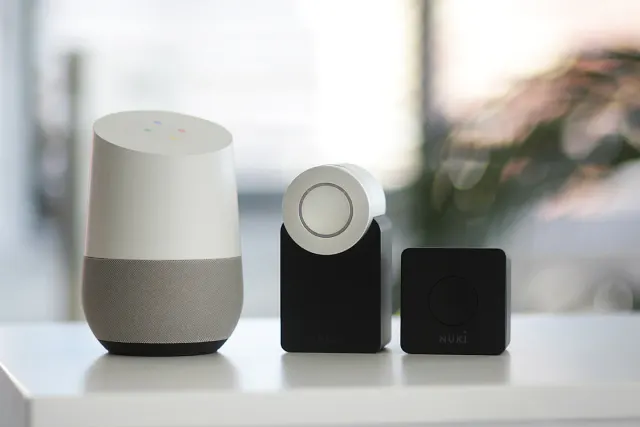
Photo: Sebastian Scholz (Nuki) · License.
Installers tend to sell the package they know. A security dealer will propose cameras first, an audio-video shop will start with a rack, and a lighting specialist will price keypads. None of them is wrong, but the order should be driven by the routine you most want to improve. Parks Associates found the average internet household already has 17 devices on its network, so the first job is usually organizing what exists rather than adding more.
Use the guide below to match a project to a problem, then read the service page for realistic numbers. The calculator sizes a budget by device count, and the comparison pages weigh the recurring choices such as switches versus bulbs and local versus cloud video.
 Service guideWhole-Home Automation
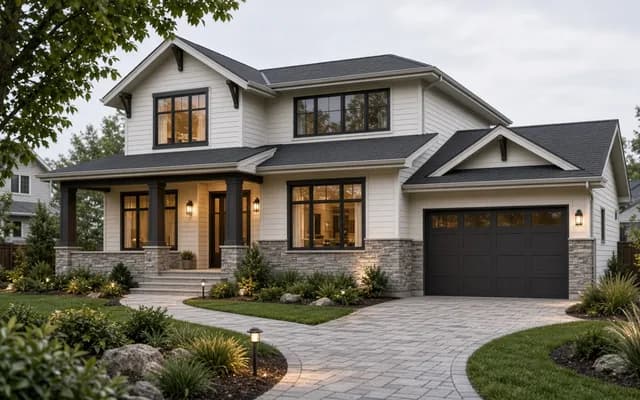
Whole-home automation connects lighting, climate, locks, cameras, shades and audio under one interface with scenes and schedules.
 Service guideSmart Lighting Control
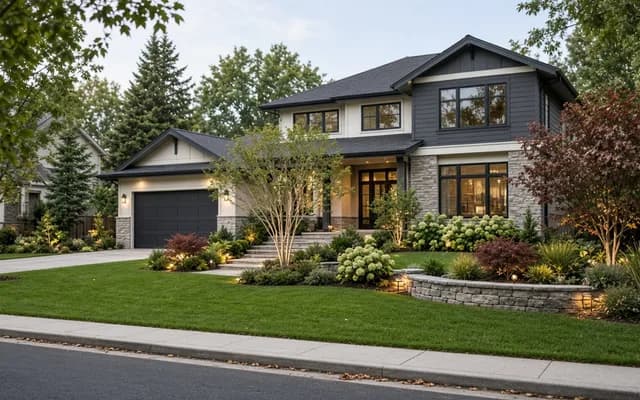
Smart lighting control replaces switches and dimmers, or adds keypads and schedules, so rooms respond to scenes, timers and occupancy while the wall switch keeps working.
 Service guideHome Security & Surveillance
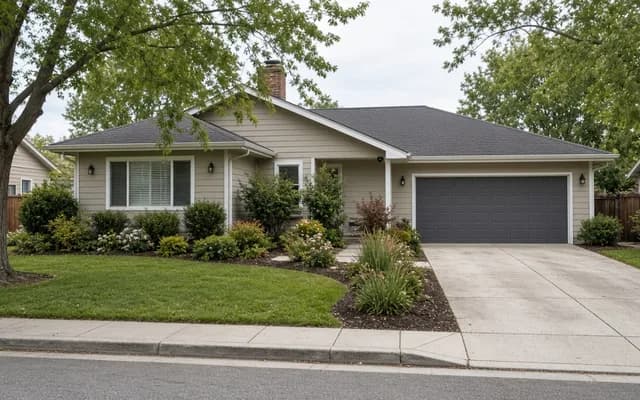
Home security and surveillance covers cameras, door and window sensors, motion detection, video doorbells and smart locks, with or without a monitoring service.
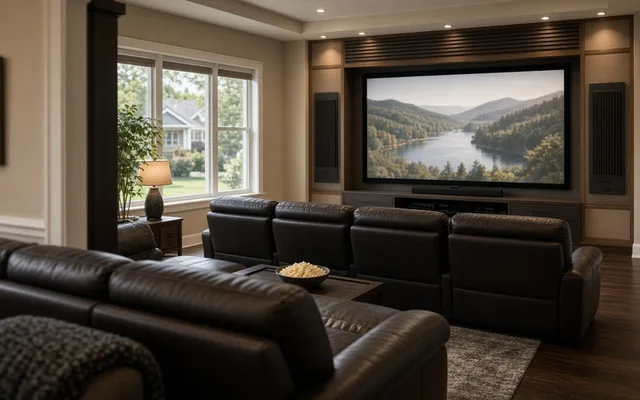 Service guideHome Theater & Audio
Home theater and audio installation covers dedicated theaters, living-room media setups and multi-room audio, including speakers, displays, receivers, cabling, equipment placement and the controls the household uses daily.
| Service | Best for | Skip it if |
|---|---|---|
| Whole-Home Automation | Households with two or more subsystems that should react to each other, several people who need simple controls, and a clear preference for one interface. | You want to fix one routine, or nobody in the home will accept a dealer-managed platform for programming changes. |
| Smart Lighting Control | Homes where evening routines, exterior lighting, or dimming for TV time are the daily annoyance, and where switch boxes have neutral wires. | Fixtures are already on simple timers that satisfy you, or the house needs a broader electrical update first. |
| Home Security & Surveillance | Owners who have defined what to watch, who receives alerts, and whether a monitoring service or self-monitoring fits the household. | Indoor cameras make anyone in the home uncomfortable and you have not settled on a privacy plan for recordings. |
| Home Theater & Audio | A room with known seating, a plan for equipment placement and ventilation, and listeners who want music in more than one space. | The room changes use often, or a soundbar and a large display would satisfy everyone who uses it. |
By the numbers
17 devices
connected devices in the average U.S. internet household (2025)
Parks Associates says the count has roughly doubled since 2014. Network capacity and wired backhaul are prerequisites for any whole-home design, because client count rather than internet speed is the usual bottleneck.
Parks Associates, The Smart Home in 2025: Outlook and Opportunities (2025)$1,000–$5,000
typical cost of fully automated whole-home lighting control (prices as of January 2023)
Today's Homeowner's guide puts a complete smart lighting installation in this range, with individual smart bulbs at $15–$70 and smart switches from $15 to $300 or more. The page title carries a newer year, but its price tables are marked as of January 2023.
Today's Homeowner, How Expensive Are Smart Homes (2023)$2,000–$4,000
cost of a fully equipped living room with a home theater system (prices as of January 2023)
Today's Homeowner's cost guide places a living-room entertainment setup among the mid-priced subsystems, alongside security at $500–$5,000 or more and HVAC automation at $1,000–$3,000. Its prices are marked as of January 2023. A dedicated theater room is a separate, much larger project.
Today's Homeowner, How Expensive Are Smart Homes (2023)25% vs 3%
smart lock ownership in homes with a security system vs without (2026)
Smart locks cluster with monitored security, according to Parks Associates. Homeowners who bundle access control with a security installation are far more likely to adopt it than those buying a lock on its own.
Parks Associates press release (2026)Start with the one that fails most visibly today. If bedtime means walking through six rooms flipping switches, lighting control earns its cost in the first week and needs no new wiring in most homes built after the mid-1980s, when neutral wires became standard in switch boxes. If you travel and worry about the front door, security comes first, and Parks Associates found smart lock adoption reaches 25% vs 3% in homes with a security system versus 3% without.
Audio and theater work is usually best scheduled alongside other work because in-wall speaker cable and a conduit to the display location are cheap when walls are open and expensive afterward. Deloitte found the typical smart home adopter owns ~7 devices across the house, and a repainting or patching job is a cheap moment to fish a cable. Whole-home automation is the layer on top: it makes sense once you have two or more subsystems that should react to each other, such as lights that dim when the projector starts or locks that arm the alarm.
Wiring is the cost driver that separates the projects. Today's Homeowner puts whole-home lighting at $1,000–$5,000 and a home entertainment subsystem at $2,000–$4,000, with security running $500 to $5,000 or more. Lighting is mostly device cost plus an electrician's time per switch box. Theater work adds low-voltage cabling, a display mount and sometimes a dedicated circuit. Security adds camera cabling, often power-over-Ethernet, and a recorder.
Whole-home integration adds programming hours on top of hardware. At the $80–$100/hr labor rate reported by Today's Homeowner, a system with forty scenes and schedules can consume two or three days of configuration before anyone touches a wall. Ask every estimate to separate equipment, wiring, installation labor, programming and training so you can compare like with like across proposals.
| Service | Main cost driver | New wiring usually needed? | Typical DIY failure |
|---|---|---|---|
| Smart lighting control | Number of switch boxes and keypads | Rarely (neutral wire check) | Wrong dimmer for LED fixture, flicker |
| Security & surveillance | Camera count and recorder | Often (PoE runs) | Wi-Fi cameras dropping at the property edge |
| Home theater & audio | Speakers, display, receiver, cabling | Yes for in-wall speakers | No ventilation for equipment, remote confusion |
| Whole-home automation | Programming and network upgrades | Sometimes (network backbone) | Scenes that need the cloud to run |
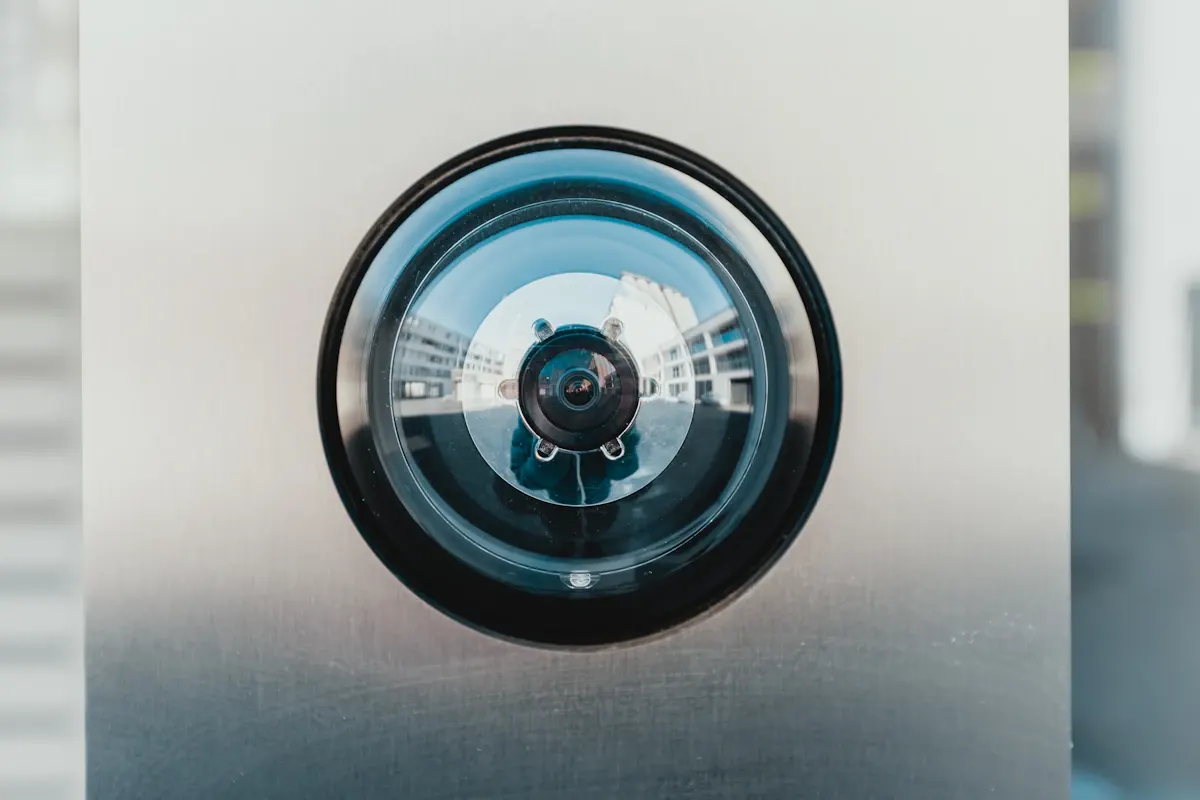
Skip whole-home integration if you have a single routine to fix. A bedtime lighting scene does not need a dealer platform. Skip cameras indoors if nobody in the house is comfortable with them; SafeWise found a third of households run a full security system, which means two-thirds get by with less. Skip a dedicated theater if the room doubles as a living space and you would rather have a good soundbar and a large display than a projector that needs blackout blinds.
Skip anything that only works through a subscription you would resent. The EIA found smart speakers in 35.6% of homes, but only 6.2% use them to control temperature, which tells you most voice devices are used for music and timers. Plan for the functions people actually use. The polls page shows what other homeowners rank first.
Four questions belong in every request regardless of scope. Which functions continue without internet? Who owns each account, and how is installer access removed? What recurring fees apply, and what stops when they lapse? How would another installer maintain the system later? A pro who answers these in writing is planning for the life of the house rather than the length of the job. The contact page turns them into a checklist you can paste into a request.
Homeowner polls
No votes yet. Yours will be the first. · saved on this device
Parks Associates puts the average U.S. internet household at about 17.
No votes yet. Yours will be the first. · saved on this device
Some integrators do all three, and for a whole-home project that is preferable because one company owns the network design and the programming. Many specialists, however, subcontract the parts outside their core trade. Ask who physically performs each portion, whether an electrician handles line-voltage switch work, and who is responsible when a camera and a lighting scene disagree. A single point of accountability matters more than a single logo on the van.
Line-voltage work such as replacing switches, adding a neutral wire, installing a new circuit for a rack, or hardwiring a doorbell transformer typically requires a licensed electrician under state and local codes. Low-voltage cabling for cameras, speakers and network drops is often handled by the integrator, though some jurisdictions license that separately. Ask every bidder which license covers which part of the job and whether permits are pulled for new circuits.
Normalize them. Ask each bidder for the same breakdown: equipment with model numbers, wiring, installation labor, programming, training and any recurring fees. Then compare outage behavior and account ownership line by line. A proposal that is $1,500 cheaper because it uses Wi-Fi bulbs instead of switches, or cloud-only video instead of a local recorder, is not the same project. Model numbers make substitutions visible before they happen.
Sometimes for consumer-grade gear, rarely for integrated systems. Installers may decline to warranty devices they did not supply, and dealer platforms are sold only through authorized channels. Where it works is the middle: you buy the Matter-compatible switches and thermostat, the pro handles the wiring, network and programming. Ask upfront whether owner-supplied equipment is accepted and how it affects the labor warranty.
A router that handles your device count with headroom, wired backhaul between access points if the house is large, and ideally a separate network segment for cameras and appliances. The EIA found broadband in 73% of occupied U.S. primary residences in 2024, but broadband speed is not the issue; device count and coverage are. Many integrators start with a network assessment, and it is a reasonable standalone purchase before committing to a larger project.
Decide the platform first, then add subsystems in the order that fixes daily friction. A typical sequence is network and Wi-Fi, then lighting in the rooms you use each evening, then locks and a doorbell, then cameras, then audio when walls open for another project. Write the full plan into the first estimate so early choices, such as the hub and the switch brand, do not conflict with later phases.
It depends on the platform. Open platforms and Matter devices can be taken over by any competent integrator or by you. Dealer-locked platforms usually allow another authorized dealer to take over the account, but only if the owner account is in your name and the programming file is in your possession. This is why the handover documentation matters as much as the hardware. Ask how takeover works before signing.
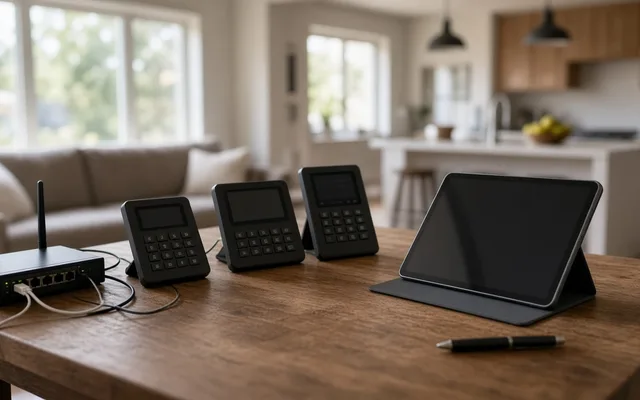 Free toolSmart home cost calculator: size a budget by control points
Size, material tier and complexity in, a realistic budget range out.
 Free toolSmart home comparisons: the five decisions that shape the project
Side-by-side tables for the decisions that change the price most.
 Free toolSmart home readiness quiz: do you know the details installers will ask about?
10 questions that show what you already know and what to check next.
 Free toolSmart home polls: how other homeowners weighed the same decisions
See what other planners chose and add your vote.
Tell us the size, the condition of what is there now, and what you want to change. Home Control Notes passes your request to independent local professionals, who reply with written, no-obligation estimates. The service is free to use.