What total budget are you planning for the project?
Angi's 2026 consumer benchmark averages $771; HomeGuide's whole-home tier is $5,000 to $15,000.
No votes yet. Yours will be the first. · saved on this device
Loading...
Home Control Notes · Free tools
Four tools help you size and shape a smart home project before requesting estimates: a cost calculator anchored to Angi's 2026 benchmark, comparison guides for the recurring decisions, a readiness quiz that tests the details installers will ask about, and polls showing what other homeowners prioritized. None replaces a site visit; each makes the visit more productive.
 Free toolSmart home cost calculator: size a budget by control points
Size, material tier and complexity in, a realistic budget range out.
 Free toolSmart home comparisons: the five decisions that shape the project
Side-by-side tables for the decisions that change the price most.
 Free toolSmart home readiness quiz: do you know the details installers will ask about?
10 questions that show what you already know and what to check next.
 Free toolSmart home polls: how other homeowners weighed the same decisions
See what other planners chose and add your vote.
By the numbers
$771
average cost of a consumer smart home system, range $201–$1,519 (Angi, 2026)
Angi's cost guide, updated March 2026, covers a basic connected setup such as a hub, thermostat, lighting and doorbell. Bespoke whole-home integration, new wiring, theater equipment and recurring support are different projects.
Angi, How Much Does a Smart Home System Cost (2026)17 devices
connected devices in the average U.S. internet household (2025)
Parks Associates says the count has roughly doubled since 2014. Network capacity and wired backhaul are prerequisites for any whole-home design, because client count rather than internet speed is the usual bottleneck.
Parks Associates, The Smart Home in 2025: Outlook and Opportunities (2025)79%
of consumers say device interoperability is very or somewhat important (2023)
Yet only 31% had committed to a single ecosystem and 45% still controlled devices through separate apps, per Deloitte. Choosing a unified platform, or Matter-compatible gear, is the main design decision in a whole-home project.
Deloitte Insights, Connectivity and Mobile Trends 2023 (2023)$2,000–$15,000+
HomeGuide smart home tiers: select rooms, whole-home, fully custom (2026)
HomeGuide's tiers reflect how far integration extends: $2,000–$5,000 for select rooms, $5,000–$15,000 for whole-home integration, and $15,000 and up for fully custom systems.
HomeGuide, How Much Does a Smart Home Cost (2026)Most homeowners arrive at a smart home project with a device in mind and no budget, or a budget and no idea which devices matter. The tools on this page fix that order. Angi's 2026 benchmark puts a consumer setup at $771 on average, HomeGuide's tiers run $2,000–$15,000+, and the gap between those numbers is exactly what the calculator helps you place yourself within.
Use them in sequence: quiz to find the questions you cannot yet answer, comparison pages to settle the recurring choices, calculator to size a budget, polls to see how others weighed the same decisions. Then take the results to the contact page and request written estimates with a clear scope.
The cost calculator answers 'roughly what will this cost' by device count, platform tier and wiring complexity, with add-ons for a network upgrade, monitoring and documentation. The comparison guides answer 'which of these two should I choose' for platform type, switches versus bulbs, local versus cloud video, wired versus wireless backbone, and dedicated theater versus living room. The quiz answers 'do I know enough to write a request', and the polls answer 'what did other people decide'.
Each tool cites the same statistics used across the site. The calculator's base rate comes from Angi; the comparison tables use Today's Homeowner's subsystem ranges and SoFi's subscription figures; the quiz draws on Parks Associates, Deloitte and our own analysis of the EIA's 2024 household survey, which found smart speakers in 35.6% of homes and a 6.8 pts income gap in voice lighting control among their owners. Where a number is regional or a survey sample, the tool says so rather than presenting it as universal.
Count control points honestly: every switch, keypad, lock, camera, sensor, thermostat and audio zone. Parks Associates puts the average internet household at 17 devices, and a planned system often adds ten to thirty more. Pick the tier that matches the platform you intend to run, not the one you hope to afford. Choose the complexity level based on the house: existing neutral wires and good Wi-Fi is simple; new cable runs and a rack is not.
Local labor rates, the specific devices and the condition of the house move real estimates by a third in either direction. Use the number to decide whether to phase the project and to recognize a proposal that is far outside the range, then ask what drives the difference. Phasing is a sound answer: HomeGuide's tiers run $2,000–$15,000+ from select rooms to fully custom, and a phased plan climbs them one step at a time.
Each pair shows upfront cost, lifespan, maintenance, appearance, climate fit, install time, resale and best-for in one table, followed by a verdict that states when each option wins. The verdicts are deliberately conditional. A consumer platform wins for a few rooms; a professional system wins when many subsystems must react to each other. Local video wins on cost and outage behavior; cloud wins on simplicity. The right answer depends on the household, and the tables are built to make that visible.
The quiz has ten questions on the details that decide a project: neutral wires, hub protocols, doorbell transformers, account ownership, outage behavior. Each answer explains the reasoning with a sourced figure. Missing a question is the point; it tells you what to ask the installer. The polls collect homeowner opinion on this site and are labeled as opinion; Deloitte's finding that 79% of consumers value interoperability is data, a poll result on platform preference is a snapshot of visitors.
Homeowner polls
Angi's 2026 consumer benchmark averages $771; HomeGuide's whole-home tier is $5,000 to $15,000.
No votes yet. Yours will be the first. · saved on this device
No votes yet. Yours will be the first. · saved on this device
It is accurate enough to set a range and to recognize an outlier proposal. It is anchored to Angi's 2026 benchmark and scaled by tier and complexity using HomeGuide's whole-home ranges and Today's Homeowner's labor rate. It cannot see your switch boxes, your router or your walls, which is why real estimates land a third above or below it. Treat it as the first number, not the last.
Yes. Set the calculator to the control points in that room, pick the consumer or hub tier, and choose simple complexity if the wiring is modern. The switch versus bulb comparison and the quiz's wiring questions are the most useful parts for a small project. Small projects still benefit from choosing a platform that a later whole-home plan can build on.
From the trade-offs stated in the sources: cost ranges from published guides, outage behavior from how each technology works, and adoption or satisfaction figures from Parks Associates, Deloitte and the EIA. The verdicts are conditional on household needs rather than declaring a winner, because the same choice is right for one home and wrong for another.
Note the inputs and the range and paste them into your request on the contact page; that gives installers a starting point and lets you see how their proposals compare. The calculator does not store personal data. If you want a record, a screenshot of the result with its assumptions is enough for a conversation with a bidder.
No, and they are labeled accordingly. They are useful for seeing how other people framed the same decisions, not as evidence of what works. For representative figures, use the sourced statistics on the service pages, which come from surveys with stated samples and denominators.
It tells you which details you have not yet settled, which is the prerequisite. Platform choice depends on the devices you own, the people who use the system, and whether you want dealer support or self-management. The quiz surfaces those, the comparison page weighs consumer against professional systems, and the whole-home service page explains how to write the choice into a specification.
When the underlying sources publish new figures. The calculator's benchmark was updated in March 2026 by Angi, and the tiers follow HomeGuide's 2026 guide. Each tool's assumptions are listed with their source year so you can judge staleness yourself.
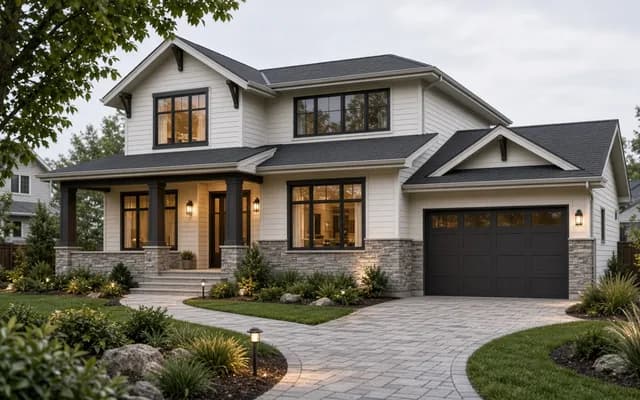 Service guideWhole-Home Automation
Whole-home automation connects lighting, climate, locks, cameras, shades and audio under one interface with scenes and schedules.
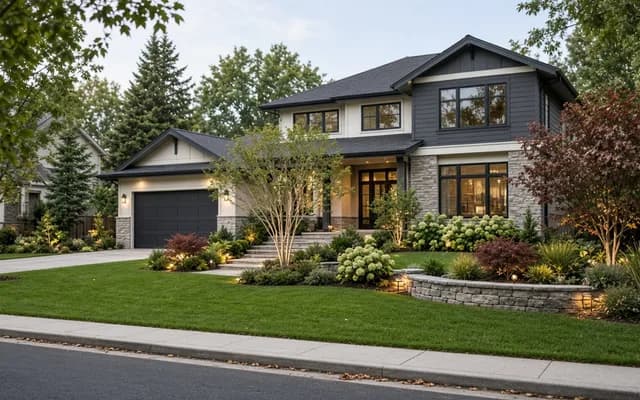 Service guideSmart Lighting Control
Smart lighting control replaces switches and dimmers, or adds keypads and schedules, so rooms respond to scenes, timers and occupancy while the wall switch keeps working.
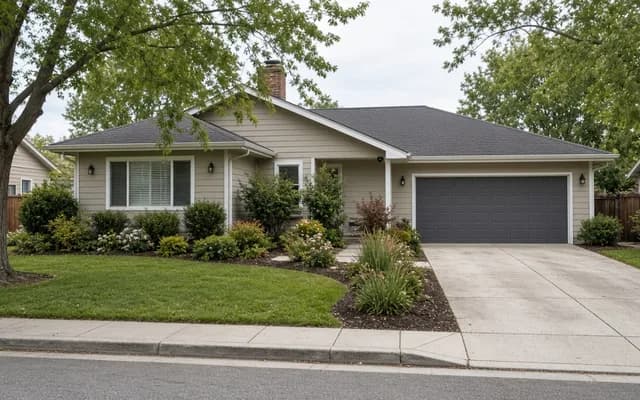 Service guideHome Security & Surveillance
Home security and surveillance covers cameras, door and window sensors, motion detection, video doorbells and smart locks, with or without a monitoring service.
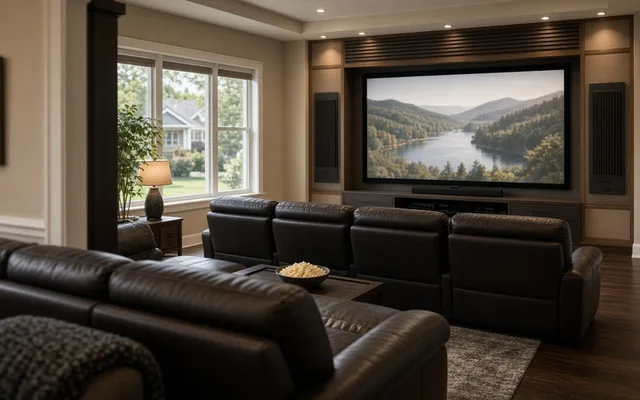 Service guideHome Theater & Audio
Home theater and audio installation covers dedicated theaters, living-room media setups and multi-room audio, including speakers, displays, receivers, cabling, equipment placement and the controls the household uses daily.
Tell us the size, the condition of what is there now, and what you want to change. Home Control Notes passes your request to independent local professionals, who reply with written, no-obligation estimates. The service is free to use.