How many rooms would you put lighting control in?
No votes yet. Yours will be the first. · saved on this device
Loading...
Home Control Notes · Smart Lighting Control cost guide
Today's Homeowner puts fully automated whole-home lighting at $1,000 to $5,000, with electrician labor at $80 to $100 an hour. Per-point cost depends on whether you use bulbs, switches or keypads, whether each box has a neutral wire, and whether a hub is needed. Neutral-wire work and plaster walls are the most common reasons a lighting quote exceeds the range.
Lighting control is usually the most predictable part of a smart home budget, because the work repeats: remove a switch, check the box, install a smart device, program it. The price grows with the number of points and the condition of the wiring behind the cover plates. A house with neutrals in every box and modern LED fixtures can be priced from a count. A house with missing neutrals, shallow boxes and older fixtures needs someone to open a few boxes before quoting.
This page covers cost only: per-point ranges, tiers from bulbs to keypads, the add-ons that change totals, the labor share, how timing affects price, what to cut first and sample budgets. The cost table and calculator on this page carry the line items; the sections below explain how they add up for a real house.
| Item | Low | High | Unit | Notes |
|---|---|---|---|---|
| Smart bulb | $15 | $70 | per bulb | Today's Homeowner |
| Smart switch or dimmer | $15 | $300 | per switch | Keypad-style at top of range |
| Scene keypad, dealer grade | $100 | $400 | per keypad | |
| Electrician labor | $80 | $100 | per hour | Today's Homeowner |
| Pulling a neutral wire to a switch box | $100 | $400 | per box | Accessible walls; more if concealed |
| Hub or bridge for Thread, Zigbee or Z-Wave | $60 | $400 | flat | |
| Whole-home lighting control, installed | $1,000 | $5,000 | flat | Today's Homeowner |
Think in control points: each switch, dimmer, keypad or bulb that the system controls. A smart bulb has the lowest per-point cost and no labor, but controls only one socket. A smart switch or dimmer costs more and needs an electrician, but controls every fixture on the circuit, so a room with six recessed cans is one point, not six. Keypads cost more again and replace several switches with programmable scene buttons.
Today's Homeowner's range of $1,000–$5,000 for whole-home lighting reflects mostly switch-based work. Where your project lands depends on point count and wiring. The switches versus bulbs comparison explains which rooms suit each, and the practical rule is that circuits with more than two or three fixtures almost always cost less to control with a switch over ten years.
The bulb tier suits lamps, accent lighting and rentals. It is cheap to start and needs a hub or border router if you plan more than a few, to keep them off Wi-Fi. The switch tier suits ceiling fixtures and shared rooms and is where most whole-home budgets sit. The keypad tier adds scene control at entries and bedrooms and is standard on dealer platforms, where engraved keypads and matching finishes raise both equipment and programming cost.
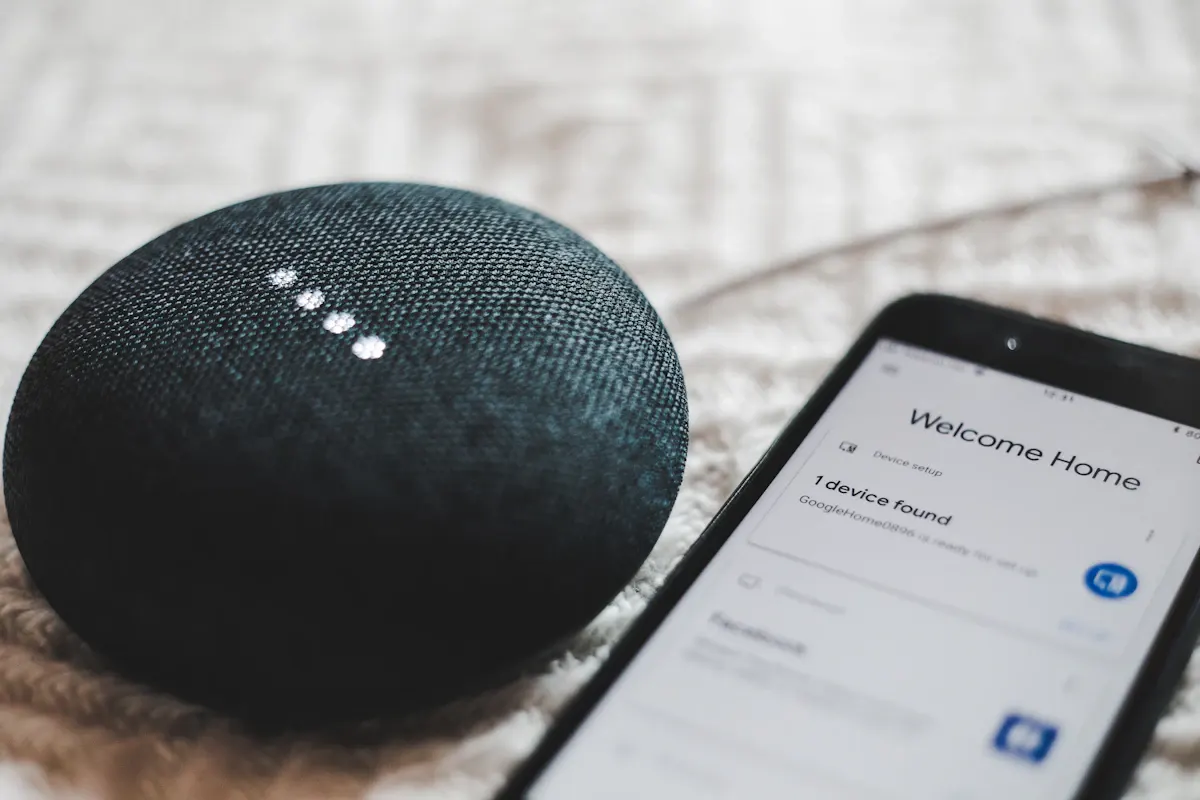
Most homes mix tiers: switches on main circuits, bulbs in lamps and a few keypads where scenes save steps. The calculator's tier multipliers reflect that the hub and dealer tiers cost more per point mainly because of programming. Our analysis of the Energy Information Administration's 2024 survey found a smart speaker in 35.6% of homes and 10.3% using one to control lights, so many budgets start by integrating a few existing bulbs.
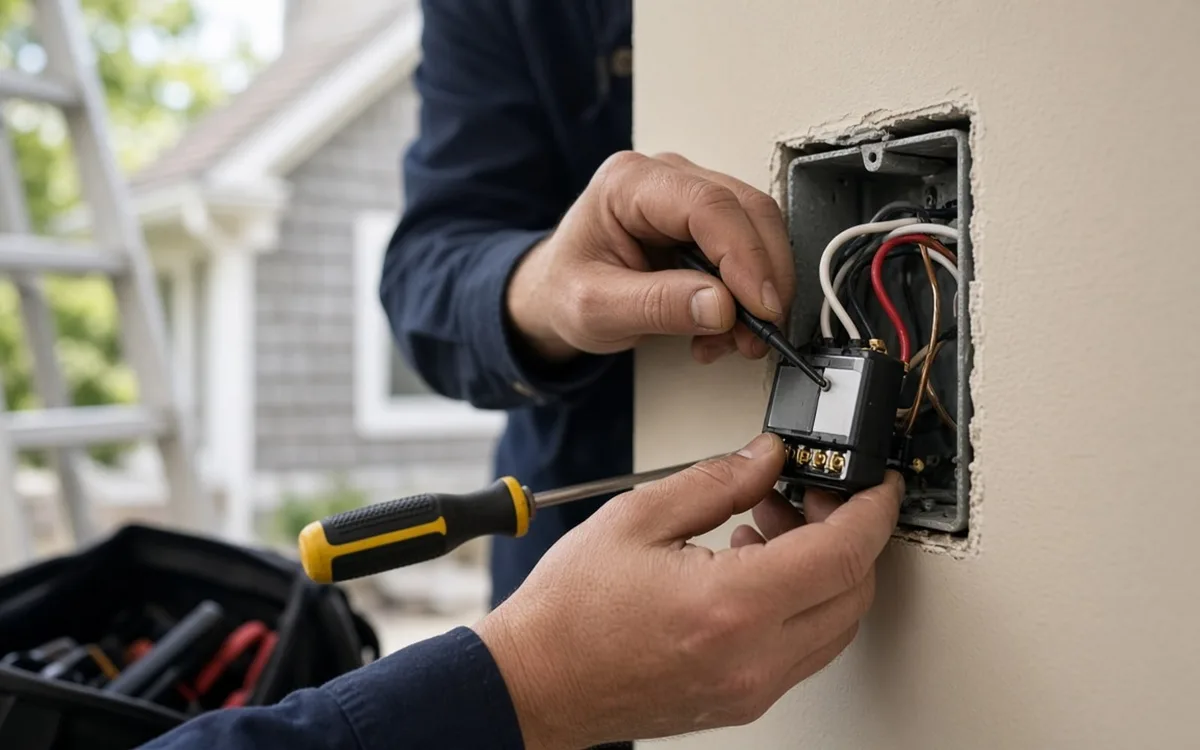
Neutral-wire work is the most common add-on. Many older switch boxes lack a neutral, and pulling one means fishing wire through finished walls, sometimes plaster, which adds labor at every affected box. No-neutral smart switches and companion devices can avoid the work, with some limits on load and features. Deeper boxes may be needed where smart dimmers do not fit. Three-way and four-way circuits need companion switches at each location.
Other add-ons include a hub or bridge for Thread, Zigbee or Z-Wave devices, motion and occupancy sensors, exterior lighting on schedules, and fixture replacement where old LEDs will not dim smoothly. Dimmer compatibility problems are the main source of callbacks in lighting jobs, so budgeting a few replacement fixtures or a test room before ordering in bulk is sensible. The lighting control service page covers the neutral question in depth.
Today's Homeowner puts installation labor at $80–$100/hr. A straightforward switch swap in a box with a neutral takes a short time per location for a licensed electrician; a box without a neutral, a crowded box or a three-way circuit takes much longer. Programming adds time too: naming devices, grouping rooms, building scenes and setting dimmer trims for each fixture type.
On a switch-based project, labor is often the largest single line, and it grows in older houses. Ask bidders to price per location for standard swaps and separately for locations needing neutrals or new boxes, so you can see where the cost concentrates. Parks Associates found 52% of self-installers hit setup problems, and lighting is where many homeowners decide the electrician's time is worth paying for.
During a remodel or before drywall, lighting control is at its cheapest: neutrals, deeper boxes, keypad locations and low-voltage wiring for sensors can be added in minutes. After the walls are closed, the same changes take hours and leave patching. If a kitchen, bath or basement project is coming, fold lighting control into it rather than doing it separately a year earlier or later. Today's Homeowner puts fully automated whole-home lighting at $1,000–$5,000, and timing decides where a project lands.
Batching also helps. A lighting job done in one visit costs less than the same number of points installed a room at a time, because travel, setup and programming overhead repeat on each visit. If you phase lighting, phase by floor with all wiring done up front, or combine phases with other electrical work such as a panel upgrade, a new circuit or exterior lighting; Parks Associates counts 17 devices connected in the average U.S. internet household.
Cut keypads before switches and switches before wiring. Trimming is common: Angi found 19% of homeowners who hired a pro chose cheaper materials or services. Standard smart dimmers can do most of what a keypad does through scenes in an app, and keypads can be added later to boxes already wired for them. Keep neutral and box work in the first phase if walls are being opened. Move exterior, closet and secondary-room points to a later phase, and use bulbs in lamps rather than switched outlets.
A small budget covers entry, kitchen and living room on switches with lamps on bulbs, near the low end of the Today's Homeowner range. A mid budget covers the main floor and bedrooms on switches with a hub and a few sensors. A full budget adds keypads, exterior schedules and scenes throughout, near or above the top of the range. Use the calculator with your point count to position your plan, and the estimate request page to price it.
By the numbers
Planning figures from published U.S. sources; every card links to where the number came from.
$1,000–$5,000
typical cost of fully automated whole-home lighting control (prices as of January 2023)
Today's Homeowner's guide puts a complete smart lighting installation in this range, with individual smart bulbs at $15–$70 and smart switches from $15 to $300 or more. The page title carries a newer year, but its price tables are marked as of January 2023.
Today's Homeowner, How Expensive Are Smart Homes (2023)$80–$100/hr
professional smart home installation labor rate (prices as of January 2023)
Today's Homeowner notes rewiring a whole home typically costs $2,000–$4,000 and can reach $10,000 in larger homes, which is why retrofit projects should be scoped room by room and labor listed separately. Its prices are marked as of January 2023; HomeAdvisor's June 2026 camera-installation labor rate of $50–$100 an hour is a newer cross-check.
Today's Homeowner, How Expensive Are Smart Homes (2023)10.3%
of occupied U.S. primary residences use a smart speaker to control lighting (2024)
Lighting is the most common voice-controlled function in the EIA's 2024 survey, at 13.7 million housing units. Regional figures are tightly grouped, from 10.1% in the Northeast and South to 10.7% in the West.
EIA 2024 RECS preliminary household microdata (May 2026) (2024)52%
of DIY smart home users report setup or connectivity problems (2025)
More than half of self-installers hit setup or connectivity trouble, according to Parks Associates. Most of those failures are network and wiring problems, which is the practical argument for professional design of multi-device systems.
Parks Associates press release (PR Newswire) (2025)The calculator uses the same smart home automation benchmarks as this guide. Set the size and tier, then request a written estimate to check it against a real proposal.
Homeowner polls
No votes yet. Yours will be the first. · saved on this device
No votes yet. Yours will be the first. · saved on this device
Per point, yes, and bulbs need no electrician. Per room, not always, because a switch controls every fixture on a circuit while each fixture needs its own bulb. For ceiling circuits with several fixtures, a switch usually wins on ten-year cost. For single lamps, bulbs win. Most homes mix the two.
It depends on wall type, access from the attic or basement and distance to a neutral source. In open or accessible walls it can be quick; in plaster walls with no access it takes much longer and may need patching. Ask the electrician to check boxes first and quote neutral work per location, or consider no-neutral switches where they suit the load.
For switches and bulbs on Wi-Fi, not necessarily. For Thread, Zigbee or Z-Wave devices, you need a hub or border router, which many current smart speakers include. A dedicated hub adds equipment cost but enables local scenes that keep working offline, which is often worth it for a whole-home lighting project.
Naming and grouping devices, setting dimmer trims for each fixture type, building scenes and schedules, pairing keypads, and testing each scene with the internet off. On larger or dealer-platform projects this can take a meaningful share of the total. Ask for a written list of the scenes and schedules included.
Usually not. A smart switch on the exterior circuit can run a schedule, sunset and sunrise timing or an away-mode pattern on its own or through the hub. Separate hardware is needed only for fixtures on outlets, landscape lighting on its own transformer, or motion control where the fixture lacks a sensor. Ask the installer to fold exterior circuits into the same scene plan as indoor lighting.
Where local rules allow homeowners to do their own electrical work, some owners handle simple swaps and hire an electrician for neutral work, three-way circuits and new boxes. Check local permit and licensing rules first, turn off the breaker and test before touching wires, and keep all devices on one platform so the electrician's work integrates.
Dealer keypads carry higher equipment cost, custom engraving and finish options, and they need programming on a processor by an authorized installer. You are paying for a uniform, labeled interface across the house and for the programming behind each button. For many households standard smart dimmers with a few scene controllers deliver most of that value.
 Whole-Home Automation · Cost guideHow much does whole-home automation cost in 2026?
Whole-home automation in 2026 ranges from Angi's $771 average for a consumer starter system to HomeGuide's $2,000 to $15,000 or more for hub-based and dealer-integrated projects.
 Home Security & Surveillance · Cost guideWhat a home security and surveillance system costs to install and to keep
Professionally installed security cameras average $1,289 in 2026, with most projects between $589 and $2,040, according to HomeAdvisor.
 Home Theater & Audio · Cost guideWhat home theater and multi-room audio cost in 2026
A basic installed 5.1 home theater costs $2,092 to $3,237 according to Homewyse's September 2026 figures, and a fully equipped living room runs $2,000 to $4,000.
 Service guideSmart Lighting Control
Smart lighting control replaces switches and dimmers, or adds keypads and schedules, so rooms respond to scenes, timers and occupancy while the wall switch keeps working.
Service guideWhole-Home AutomationWhole-home automation connects lighting, climate, locks, cameras, shades and audio under one interface with scenes and schedules.
Service guideHome Theater & AudioHome theater and audio installation covers dedicated theaters, living-room media setups and multi-room audio, including speakers, displays, receivers, cabling, equipment placement and the controls the household uses daily.
 Free toolSmart home cost calculator: size a budget by control points
Size, material tier and complexity in, a realistic budget range out.
 Free toolSmart home comparisons: the five decisions that shape the project
Side-by-side tables for the decisions that change the price most.
 Free toolSmart home readiness quiz: do you know the details installers will ask about?
10 questions that show what you already know and what to check next.
 Free toolSmart home polls: how other homeowners weighed the same decisions
See what other planners chose and add your vote.
Tell us the size, the condition of what is there now, and what you want to change. Home Control Notes passes your request to independent local professionals, who reply with written, no-obligation estimates. The service is free to use.