What kind of lighting control do you want most?
No votes yet. Yours will be the first. · saved on this device
Loading...
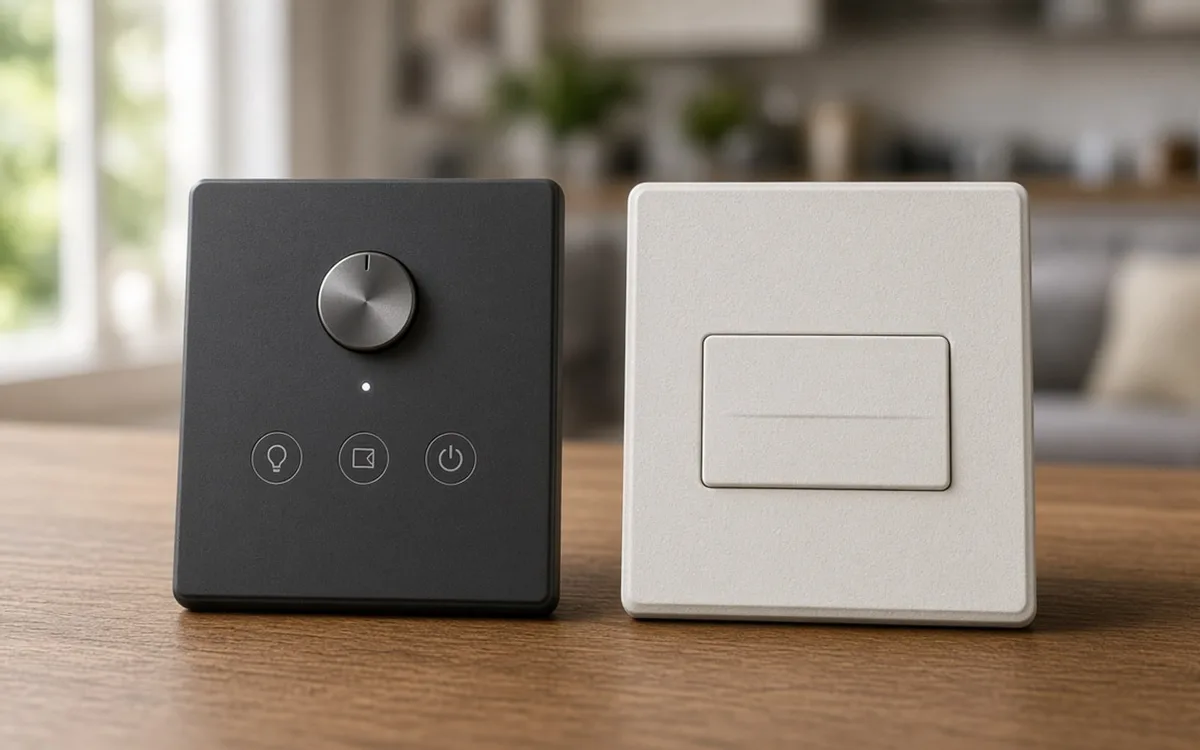
Home Control Notes · Smart switches and dimmers vs Smart bulbs
Use smart switches and dimmers for ceiling fixtures, recessed lights and any room several people share, because the wall control keeps working and every bulb on the circuit becomes smart. Use smart bulbs for lamps, accent lighting, rentals and anywhere color matters. Most homes end up with switches on the circuits people touch daily and bulbs where a switch is impractical.
The switch-or-bulb question looks like a product choice but is really a question about who uses the room. A smart bulb behaves perfectly for the person who set it up and baffles a guest who flips the wall switch off, after which the bulb is unreachable until someone flips it back. A smart switch behaves like an ordinary switch for everyone and adds scheduling and scenes on top. That difference matters more than color or price per unit.
This page walks through real room scenarios, the ten-year cost of each approach, the neutral-wire question, how each behaves in outages and power cuts, resale, and the mistakes that send lighting projects back to the store. The comparison table on this page summarizes the differences; the sections below explain how to apply them.
Switches make every bulb on the circuit smart and keep the wall control working for everyone; bulbs add color and per-lamp control without an electrician but stop working when someone flips the switch. Most homes use switches for ceiling fixtures and bulbs for lamps.
| Factor | Smart switches and dimmers | Smart bulbs |
|---|---|---|
| Upfront cost | $15–$300+ per switch plus electrician time | $15–$70 per bulb, no labor |
| Lifespan | 10–15 years | Bulb life, typically 5–10 years, then replace |
| Maintenance | Firmware updates; rare replacement | Replace bulbs; re-pair after power cuts |
| Appearance | Uniform wall plates; keypad options | Color and tunable white per lamp |
| Fallback | Wall switch always works | Dead if the wall switch is off |
| Install time | 15–30 minutes per box by an electrician | Minutes per bulb |
| Resale | Stays with the house; documented | Leaves with the owner or gets reset |
| Best for | Ceiling fixtures, shared rooms, owners | Lamps, accents, renters |
Switches win in any room used by more than one person and for any fixture with several bulbs. They are the reason Today's Homeowner's whole-home lighting range of $1,000–$5,000 is dominated by labor rather than devices, and the labor buys reliability: a guest flips the switch and the light comes on. The condition is a neutral wire in the box, which older homes may lack.
Bulbs win for table lamps, color accents, renters and anyone who cannot open a switch box. Pair them with a smart plug or a switch cover that prevents the wall switch from being turned off. In a whole-home plan, treat bulbs as accents inside a switch-based system rather than the foundation. See the lighting service page for the neutral wire and dimmer compatibility details.
Kitchens, hallways, stairs, entries and living rooms are switch territory. These rooms have ceiling fixtures or recessed cans on one circuit, several people use them, and the wall control is the first thing anyone reaches for. A single smart dimmer turns six recessed lights into one controllable scene without replacing six bulbs. Bathrooms and exterior lights follow the same logic, with the added benefit that a switch can run a schedule or a timer for the fan.
Bulbs win where there is no switch to replace or where the fixture itself is the point. Table and floor lamps, a child's bedside light, a reading corner, a rental apartment where walls are off limits, and accent lighting where tunable color changes the mood all suit bulbs. Our analysis of the Energy Information Administration's 2024 survey found 10.3% of homes use a smart speaker to control lighting, many starting with a bulb in one lamp, and among speaker owners that use runs 6.8 pts higher at $100,000 of income or more.
Bulbs are cheaper per point and need no labor, but every fixture needs its own bulb, so a room with six recessed lights costs six bulbs. Switches cost more per point and usually need an electrician, whose time Today's Homeowner puts at $80–$100/hr, but one switch controls every bulb on the circuit, and ordinary LED bulbs stay in the fixtures. Over ten years, bulbs also age out and get replaced at smart-bulb prices rather than ordinary LED prices, which is worth remembering when a lower bid swaps switches for bulbs; Today's Homeowner puts fully automated whole-home lighting control at $1,000–$5,000 for comparison.
For whole-home lighting, Today's Homeowner puts full automation at $1,000–$5,000, which mostly reflects switch-based installs. The practical rule: on circuits with more than two or three fixtures, a switch almost always wins on ten-year cost; on single lamps, a bulb wins. The lighting cost guide shows how switch counts, keypads and neutral work build a total.

Most smart switches need a neutral conductor in the box to power their radio. Homes wired before neutrals were routinely run to switch locations may not have one, and adding it means fishing new wire, sometimes through finished walls. When a room lacks a neutral, the options are a no-neutral smart switch rated for the load, a switch that works with a companion device at the fixture, or smart bulbs with a battery-powered remote mounted over the old switch.
The neutral question should be answered before anyone prices the project. Removing a single cover plate in each room reveals it, and an electrician can check in minutes. If most boxes lack neutrals and walls are plaster, bulbs and remotes may be the sensible first phase, with switches added during a later remodel; EIA found 10.3% of occupied U.S. homes already control lighting with a smart speaker. The lighting control page covers the options in more depth.
A smart switch behaves like an ordinary switch when the internet or hub fails: press it and the light turns on. Scenes and schedules that run on the switch or a local hub keep working; cloud routines stop. After a power cut, switches generally return to a sensible default. Smart bulbs depend on staying powered and connected. After a power cut many return to full brightness, which can light a bedroom at 3 a.m., and some lose pairing and need to be reset.
If outage behavior matters to your household, and the outage priority poll suggests it matters to many, favor switches for the lights people need at night: hallways, stairs, the path from bedroom to kitchen. Check each bulb's power-on behavior setting before buying, since some allow you to choose what happens when power returns.
Smart switches stay with the house and appear in listings as lighting control, particularly when documented with a scene list and the account handed to the buyer. Bulbs leave with the seller or get reset. Neither adds measurable resale value on its own, but a clean, documented switch install signals that the house was maintained, while a tangle of bulbs on several apps is something a buyer's agent will quietly suggest removing before showings.
Renters should default to bulbs, plug-in dimmers and battery remotes, all of which leave with them and need no landlord approval. Where a lease allows it, a landlord may accept smart switches if the tenant pays for an electrician and leaves them in place. Parks Associates found 52% of self-installers report setup problems, so renters should start with one room and one app before expanding.
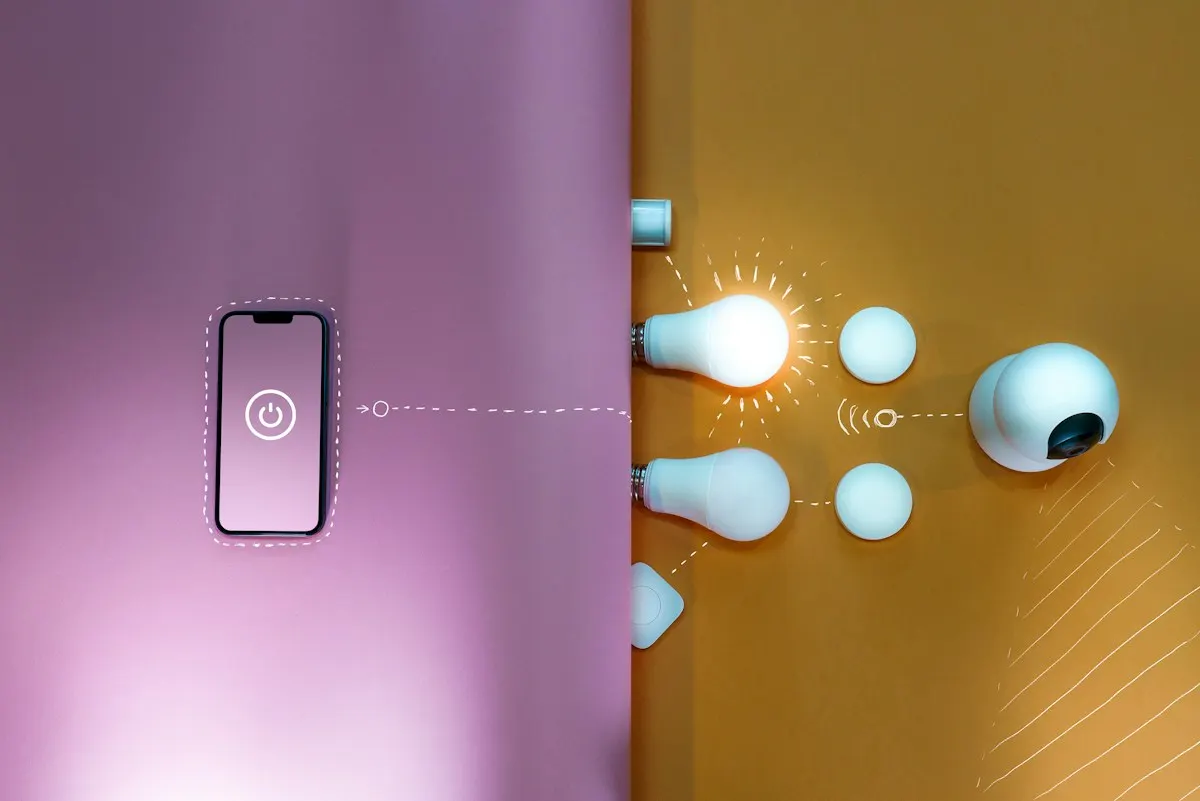
The most common mistake is buying before checking. Dimmer and LED compatibility, the neutral wire, box depth for bulky smart switches, three-way circuits and the platform each device supports should all be confirmed before the order. A second mistake is mixing a smart bulb with a smart dimmer on the same fixture, which can cause flicker and damages some bulbs; use a switch that is set to on-off only, or use one or the other.
A third mistake is ignoring the household. A beautiful color scene on bulbs is worthless if a family member switches the circuit off every night. When comparing bids, ask each installer to state which fixtures get switches, which get bulbs, how three-way circuits are handled and which dimmer settings are adjusted for your LEDs. Collect matching proposals through the estimate request page.
Homeowner polls
No votes yet. Yours will be the first. · saved on this device
No votes yet. Yours will be the first. · saved on this device
Yes, if the switch is configured to stay powered and act as a remote for the bulbs rather than cutting power. Several switch lines support this 'smart bulb mode'. Otherwise the switch will cut power to the bulbs and they drop offline. Ask the installer which combination is proposed.
Switches. A quality smart dimmer runs a decade or more; smart bulbs are replaced at end of life like any bulb and are more exposed to heat in enclosed fixtures. Over ten years a switch-based room usually costs less than replacing multiple bulbs twice.
Not always. Smart switches and dimmers are deeper than toggles, and older boxes crowded with wires may not have room, which also raises box-fill code questions. An electrician can sometimes rearrange conductors or install a deeper box, which adds labor. Check box depth when you check for neutrals, especially in older homes and in multi-gang boxes.
Some are rated for damp or wet locations, but exterior fixtures are usually better served by a smart switch or an outdoor-rated smart plug on a timer, because exterior lights run on schedules and must work every night. Bulbs in enclosed exterior fixtures can also run hot and fail early. Check the bulb's location and enclosure rating.
Wi-Fi bulbs add to router load quickly, and a house full of them can crowd a consumer router. Bulbs on Thread, Zigbee or Bluetooth mesh with a hub avoid that problem. If you plan more than a handful of bulbs, choose a mesh protocol with a hub or border router rather than individual Wi-Fi bulbs.
Yes, with a fan-rated smart control. Standard dimmers must never be used on fan motors. Fan-and-light controls or a separate fan speed control handle both, provided the fan and light are wired on separate conductors. Some fans with built-in receivers work better with a smart plug or the fan's own integration. Ask the electrician to confirm wiring first.
Both draw a small amount of standby power to keep their radios listening. A switch draws it once per circuit; each smart bulb draws it individually, so a fixture with several bulbs uses more standby power than a single switch controlling ordinary LEDs. The amounts are small per device but add up across a house full of bulbs.
An ordinary smart switch cuts power, which takes the bulbs offline. Two setups avoid that: a smart switch with a smart bulb mode that keeps the circuit powered and sends button presses to the bulbs as commands, or a battery wall remote mounted over or beside the existing switch, which is left on. Either way, the wall control still works for guests.
Yes, and many rooms benefit from it. A smart dimmer controls the recessed lights while smart bulbs in lamps handle reading and accent light, and a scene triggers both at once. Keep the lamps on outlets that are always powered, not on a switched outlet controlled by the wall switch, so the bulbs stay reachable.
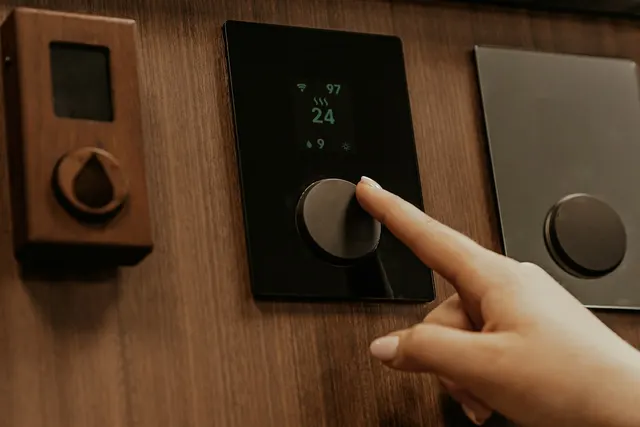 ComparisonShared consumer platform vs Professional dealer-installed system
A consumer platform suits one to five rooms and one or two subsystems that someone in the house is happy to manage.
 ComparisonLocal recording (base station or NVR) vs Cloud subscription storage
Local recording on a network video recorder or base station suits permanent cameras, privacy-minded households and areas with unreliable internet, because it keeps recording with no monthly fee.
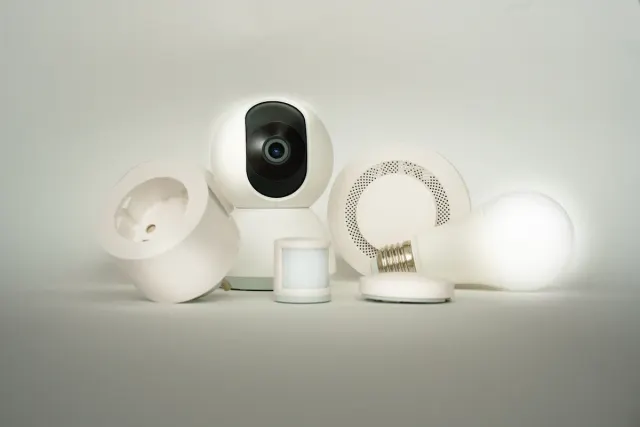 ComparisonWired network backbone vs Wireless mesh Wi-Fi
A wired backbone, with Ethernet to access points, cameras, the main display and the equipment rack, is the reliable choice for whole-home projects and camera systems.
 ComparisonDedicated theater room vs Living-room media setup
A living-room media setup delivers most of the cinematic experience for a fraction of the cost in a room the family already uses.
 Service guideWhole-Home Automation
Whole-home automation connects lighting, climate, locks, cameras, shades and audio under one interface with scenes and schedules.
 Service guideSmart Lighting Control
Smart lighting control replaces switches and dimmers, or adds keypads and schedules, so rooms respond to scenes, timers and occupancy while the wall switch keeps working.
 Service guideHome Security & Surveillance
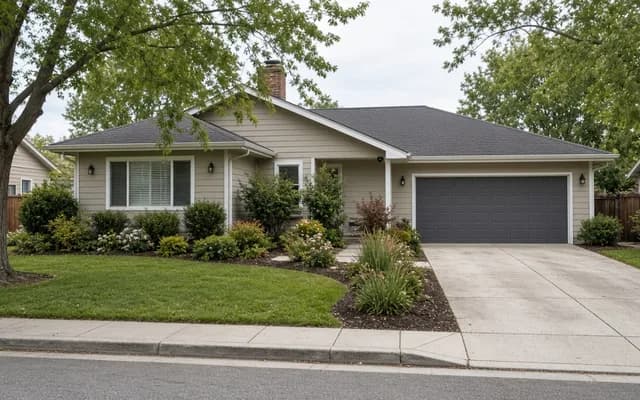
Home security and surveillance covers cameras, door and window sensors, motion detection, video doorbells and smart locks, with or without a monitoring service.
 Service guideHome Theater & Audio
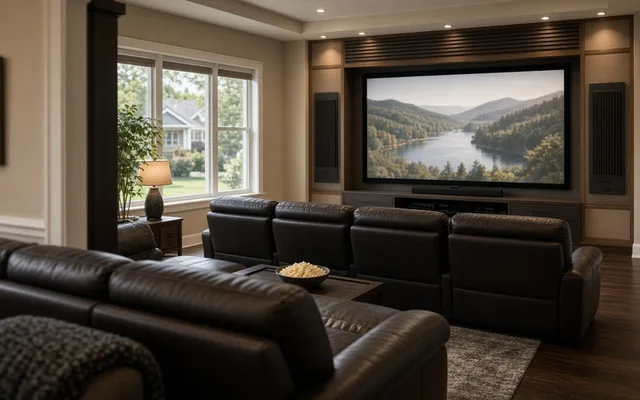
Home theater and audio installation covers dedicated theaters, living-room media setups and multi-room audio, including speakers, displays, receivers, cabling, equipment placement and the controls the household uses daily.
 Free toolSmart home cost calculator: size a budget by control points
Size, material tier and complexity in, a realistic budget range out.
 Free toolSmart home readiness quiz: do you know the details installers will ask about?
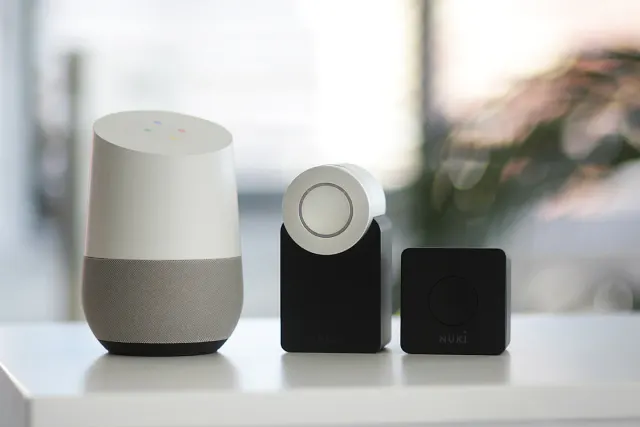
10 questions that show what you already know and what to check next.
 Free toolSmart home polls: how other homeowners weighed the same decisions
See what other planners chose and add your vote.
Tell us the size, the condition of what is there now, and what you want to change. Home Control Notes passes your request to independent local professionals, who reply with written, no-obligation estimates. The service is free to use.