Which approach are you leaning toward for your smart home?
Deloitte found fewer than a third of consumers have committed to a single ecosystem.
No votes yet. Yours will be the first. · saved on this device
Loading...
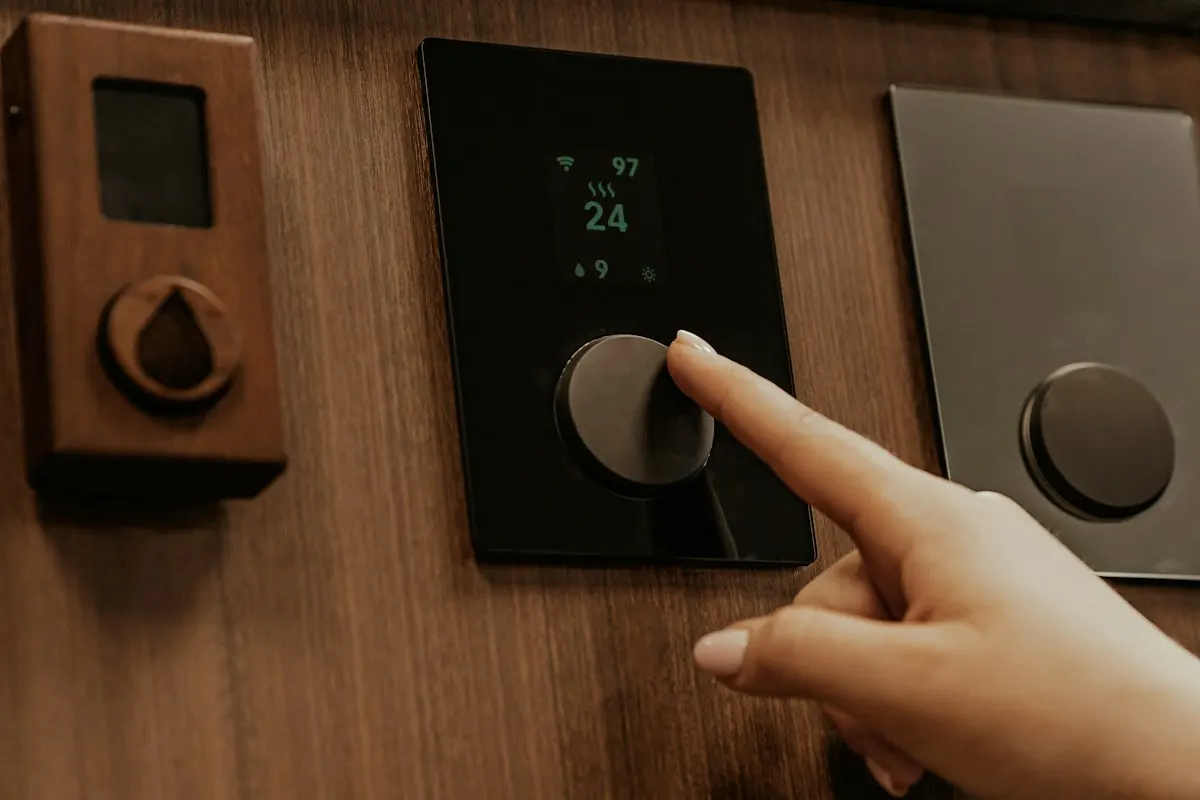
Home Control Notes · Shared consumer platform vs Professional dealer-installed system
A consumer platform suits one to five rooms and one or two subsystems that someone in the house is happy to manage. A dealer-installed system suits many rooms, several subsystems on one interface and owners who want an installer to handle updates. The deciding factors are subsystem count, who maintains it, and whether the processor and accounts will be yours.
The platform decision gets framed as cheap versus premium, which hides the real trade. A consumer platform from Apple, Google, Amazon or Samsung asks you to be the system administrator; a dealer-installed processor asks you to rely on an authorized installer for changes. Both can be reliable, and both can fail badly when the wrong household picks them. The right choice depends less on budget than on how many things must work together and who will look after them.
This page works through real scenarios, the cost over ten years, outage behavior, resale and takeover, common mistakes and how to compare bids that propose different tiers. The table on this page sets out the headline differences; the sections below explain when each one actually matters, and the devices and protocols guide covers the hardware each tier uses.
A consumer platform from Apple, Google, Amazon or Samsung costs nothing beyond devices and now supports Matter, while a dealer platform adds custom programming, keypads and a single interface at a much higher price. The choice turns on how many subsystems must work together and who will maintain them.
| Factor | Shared consumer platform | Professional dealer-installed system |
|---|---|---|
| Upfront cost | $201–$1,519 typical starter (Angi 2026) | $2,000–$15,000+ (HomeGuide 2026 tiers) |
| Lifespan | Devices 5–10 years; platform evolves with phone updates | Processor 10+ years; dealer support required for changes |
| Maintenance | You update apps and devices | Dealer applies updates, often under a support plan |
| Appearance | Retail switches and speakers, mixed brands | Matched keypads and hidden equipment |
| Offline behavior | Partial; improves with a Matter or Thread hub | Local processor keeps scenes running |
| Install time | Hours to two days | Days to weeks with programming |
| Resale / takeover | Any competent installer or the owner | Another authorized dealer, if the account is yours |
| Best for | One to five rooms, one or two subsystems, self-managed | Many rooms, several subsystems, installer-managed |
The consumer platform wins for households fixing a few routines who want to make their own changes and keep costs near Angi's $771 benchmark. With Matter reaching thousands of certified devices, it is also the lower-lock-in path. Add a hub if the device count grows past a dozen so automations run locally.
The professional system wins when lighting, security, shades, climate and audio must react to each other across many rooms, when several people need one simple interface, and when the household prefers a support contract to self-management. The condition is account ownership: the processor and every subsystem must be registered to you, with the dealer as a removable user, or the higher price buys dependency rather than convenience.
Picture a couple in a three-bedroom house who want entry lighting, a smart lock, a video doorbell and a thermostat, all controlled from the phones they already carry. A consumer platform with Matter devices and a Thread border router does this well, and Angi's 2026 average of $771 for a consumer system within a $201 to $1,519 range, is the right bracket. Paying for a dealer processor here buys very little that the household would notice day to day.
Now picture a family in a large house who want lighting scenes in twelve rooms, shades, whole-home audio, cameras and climate, all on matching keypads that guests can use, and nobody willing to manage firmware. That is the case HomeGuide's upper tiers describe, and a dealer system earns its cost by making many subsystems behave as one. Between those two sits a hub-based middle tier: local automation and bridged protocols without dealer programming.
Upfront, the gap is wide: a consumer system typically lands in Angi's $771 territory, while HomeGuide puts integrated systems at $2,000–$15,000+. Over ten years the gap narrows or widens depending on recurring costs. Consumer platforms are usually free to use, but individual devices get replaced as they age and some features move behind premium tiers. Dealer systems often carry an annual support or remote-access plan, and every change after handover is billed at the installer's hourly rate.
Labor is the recurring cost to watch. Today's Homeowner puts installation labor at $80–$100/hr, and a dealer system where the homeowner cannot edit scenes may need several paid visits a year as routines change. A consumer platform costs your time instead. The fair comparison adds installation, a realistic estimate of annual device replacement, subscription fees and paid changes, then divides by ten. Use the calculator to model both tiers for your device count.
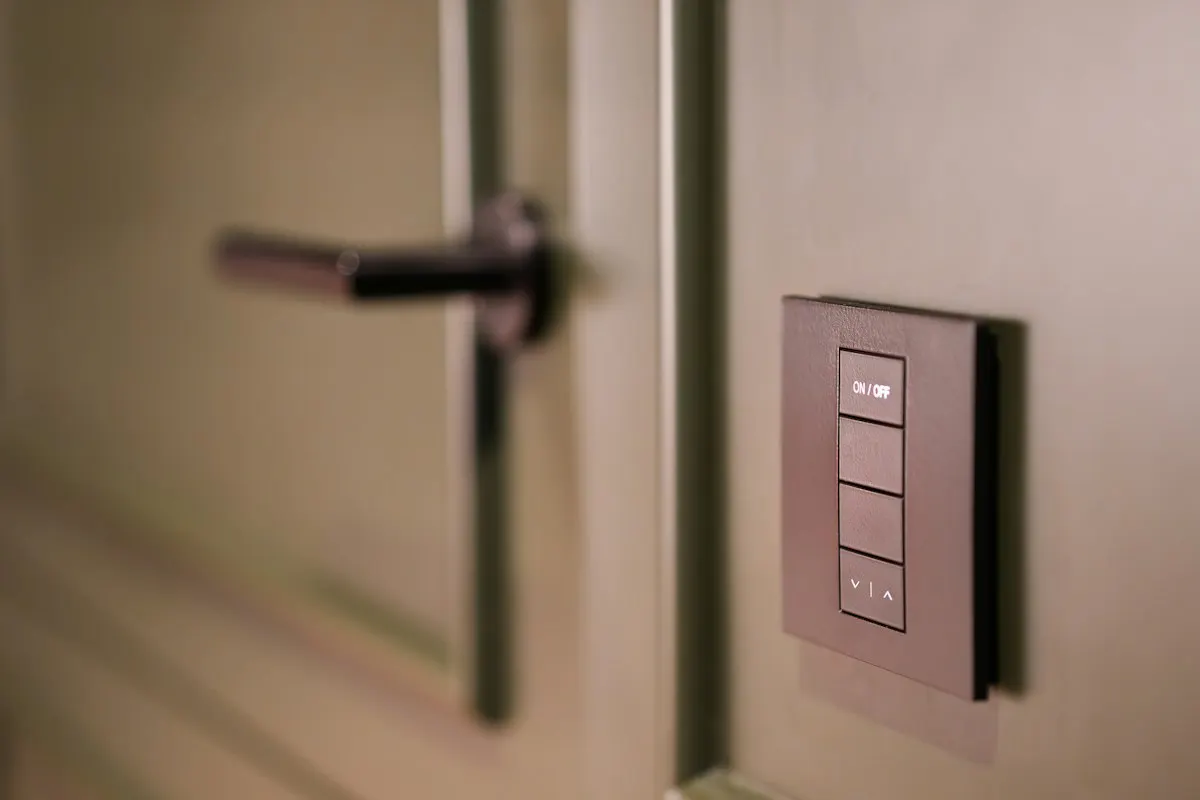
Dealer processors are built to run locally: scenes, schedules and keypads keep working with the internet down, and only remote access and cloud integrations stop. Consumer platforms have improved sharply. Matter and Thread devices can be controlled locally from a hub or speaker on the same network, but some automations still run in the cloud and fail during an outage. Behavior depends on the specific devices and on which hub executes each routine.
Wall switches, locks with stored codes and thermostats with onboard schedules keep working on either approach, which is why they belong in both plans. The difference shows up in scenes and cross-device automations. If bedtime lighting and door locking must run during outages, ask each bidder to demonstrate it with the router unplugged. The outage priority poll is a useful way to rank which functions to test first.
A consumer platform leaves the house cleanly: devices are reset and re-paired by the buyer, and any competent installer or a handy owner can take over. The risk is disorder rather than lock-in, because devices from several makers can be hard to hand over without documentation. A dealer system can be a genuine selling point when documented, but only another authorized dealer can usually modify it, and the buyer inherits the relationship along with the keypads.
Account ownership decides how smoothly either transfer goes. If the processor or hub is registered to the installer's company, a new owner or a new installer may be unable to access programming without the original dealer's cooperation. Make homeowner-owned accounts a contract term. Parks Associates found 45% of internet households already own a core smart device, so buyers increasingly expect to reset and adopt a system rather than rip it out.
On consumer platforms the common mistake is sprawl: a device from every sale, each on its own app, until routines depend on four clouds and nobody remembers which. Parks Associates reported that 52% of do-it-yourself users hit setup or connectivity problems, and most of them trace back to a router that was never sized for the device count. The fix is a platform decision, a hub and a network plan before the next purchase, especially in the 18.5% of homes that, by our analysis of EIA data, already run two or more smart speakers.
On dealer systems the common mistake is signing without a change policy. The system is programmed beautifully at handover, then the household wants the kitchen scene brighter and discovers every tweak requires a paid visit. Ask for a written list of what the owner can change in the app, the hourly rate and minimum charge for everything else, the support plan's price and what stops working if the plan lapses.
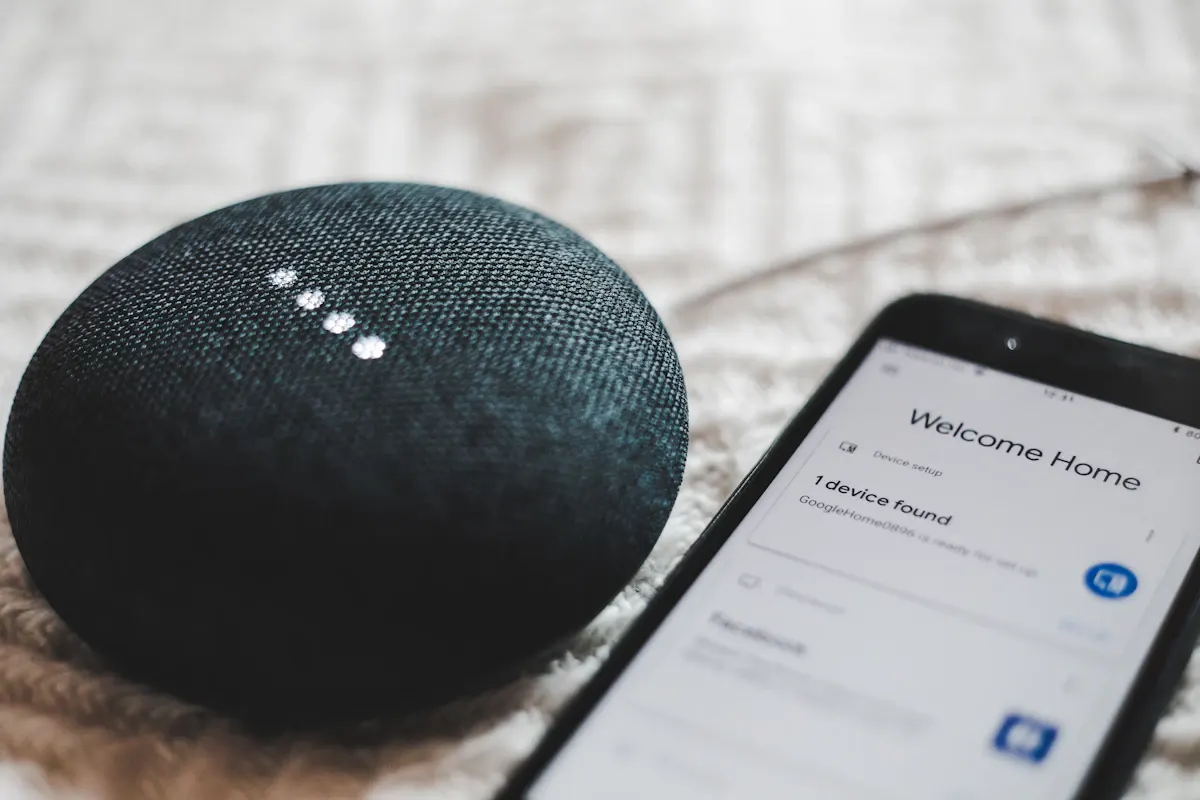
Start by making the scopes match. Both bids should cover the same rooms, routines, devices and network plan, and both should state offline behavior for each function. Then compare the lines that differ by nature: the processor or hub, keypads versus retail switches, programming hours, the support plan and the handover. A dealer bid will be higher; the question is whether its extra lines buy something your household will use daily.
Ask both bidders the same four questions: who owns each administrator account, what the owner can change without a visit, what recurring fees apply and for how long, and what happens if the installer stops trading. Deloitte found 79% of consumers call interoperability important, so also ask each bidder which devices support Matter. The whole-home automation page and the estimate request page help you collect matching proposals.
Homeowner polls
Deloitte found fewer than a third of consumers have committed to a single ecosystem.
No votes yet. Yours will be the first. · saved on this device
No votes yet. Yours will be the first. · saved on this device
No votes yet. Yours will be the first. · saved on this device
Yes, if the devices are Matter-certified or use common protocols such as Zigbee or Z-Wave that the dealer platform supports. Wi-Fi-only devices tied to one maker's app usually cannot be integrated and would be replaced. Buying by protocol from the start keeps the door open; buying by app closes it.
Often. Remote access, dealer support plans and some voice integrations carry fees, and cameras on either type of system may need cloud storage. Ask each bidder for year-one and year-five totals. A consumer system with three subscriptions can cost more over five years than a professional system with none, or the reverse.
Yes. A local hub bridges Thread, Zigbee and Z-Wave devices, runs scenes without the cloud and costs far less than a dealer processor, while still using retail devices. It suits households with many devices and one person comfortable managing them. HomeGuide's lower tier of roughly $2,000 to $5,000 for selected rooms often describes this approach once network work and installation are included.
Increasingly, but support varies by platform and by device type. Some dealer platforms can control Matter devices or expose their own devices to consumer platforms, which lets a phone assistant trigger dealer scenes. Ask the bidder to list which of your existing devices will integrate and whether the integration runs locally or through the cloud.
Some can. Several makers sell scene keypads and multi-button switches that work with consumer platforms over Matter, Zigbee or Z-Wave, although the selection and finishes are narrower than dealer lines. For a household that mostly wants tidy, labeled scene buttons at entries and bedrooms, these can close much of the gap without a dealer processor.
Plans typically include remote access for troubleshooting, software updates, some remote programming changes and priority scheduling. They rarely include hardware replacement outside warranty or on-site visits beyond a set number. Get the plan terms in writing, including the price, what stops working if you cancel and whether the price can rise at renewal.
Whichever keeps the wall controls working normally. Dealer systems excel with engraved keypads that behave the same in every room. A consumer platform works just as well if it uses smart switches and dimmers rather than bulbs and app-only controls. Avoid any design that requires a phone or voice command to turn on a light.
Dealer processors are commonly expected to run for ten years or more with dealer support, while consumer hubs and speakers tend to be replaced every several years as platforms evolve. Replacement on either side is easier when devices use open protocols, because the new controller can adopt them rather than requiring new switches and sensors throughout the house.
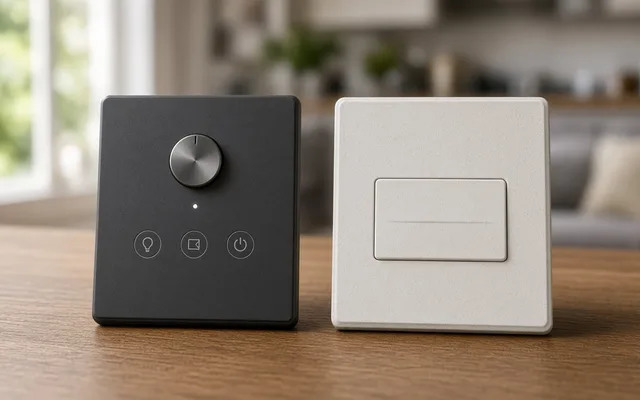 ComparisonSmart switches and dimmers vs Smart bulbs
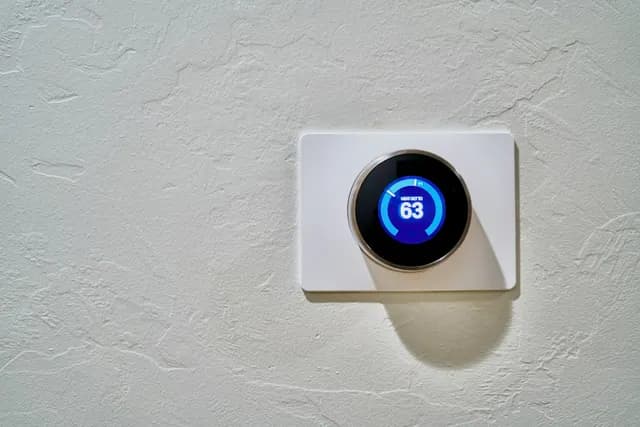
Use smart switches and dimmers for ceiling fixtures, recessed lights and any room several people share, because the wall control keeps working and every bulb on the circuit becomes smart.
 ComparisonLocal recording (base station or NVR) vs Cloud subscription storage
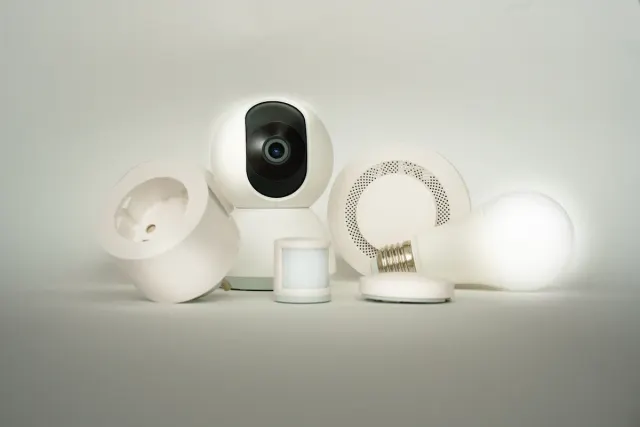
Local recording on a network video recorder or base station suits permanent cameras, privacy-minded households and areas with unreliable internet, because it keeps recording with no monthly fee.
 ComparisonWired network backbone vs Wireless mesh Wi-Fi
A wired backbone, with Ethernet to access points, cameras, the main display and the equipment rack, is the reliable choice for whole-home projects and camera systems.
 ComparisonDedicated theater room vs Living-room media setup
A living-room media setup delivers most of the cinematic experience for a fraction of the cost in a room the family already uses.
 Service guideWhole-Home Automation
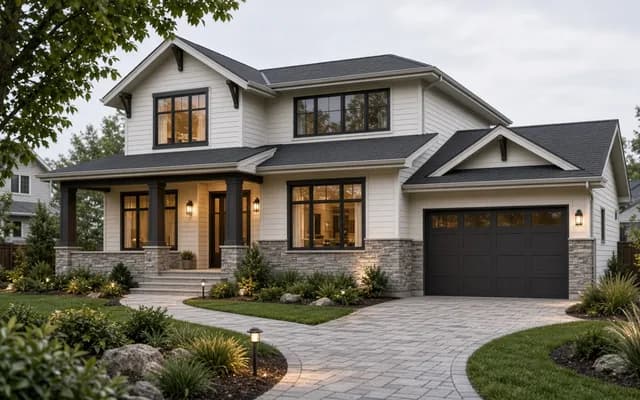
Whole-home automation connects lighting, climate, locks, cameras, shades and audio under one interface with scenes and schedules.
 Service guideSmart Lighting Control
Smart lighting control replaces switches and dimmers, or adds keypads and schedules, so rooms respond to scenes, timers and occupancy while the wall switch keeps working.
 Service guideHome Security & Surveillance
Home security and surveillance covers cameras, door and window sensors, motion detection, video doorbells and smart locks, with or without a monitoring service.
 Service guideHome Theater & Audio
Home theater and audio installation covers dedicated theaters, living-room media setups and multi-room audio, including speakers, displays, receivers, cabling, equipment placement and the controls the household uses daily.
 Free toolSmart home cost calculator: size a budget by control points
Size, material tier and complexity in, a realistic budget range out.
 Free toolSmart home readiness quiz: do you know the details installers will ask about?
10 questions that show what you already know and what to check next.
 Free toolSmart home polls: how other homeowners weighed the same decisions
See what other planners chose and add your vote.
Tell us the size, the condition of what is there now, and what you want to change. Home Control Notes passes your request to independent local professionals, who reply with written, no-obligation estimates. The service is free to use.