What total budget are you planning for the project?
Angi's 2026 consumer benchmark averages $771; HomeGuide's whole-home tier is $5,000 to $15,000.
No votes yet. Yours will be the first. · saved on this device
Loading...
Home Control Notes · Free estimate
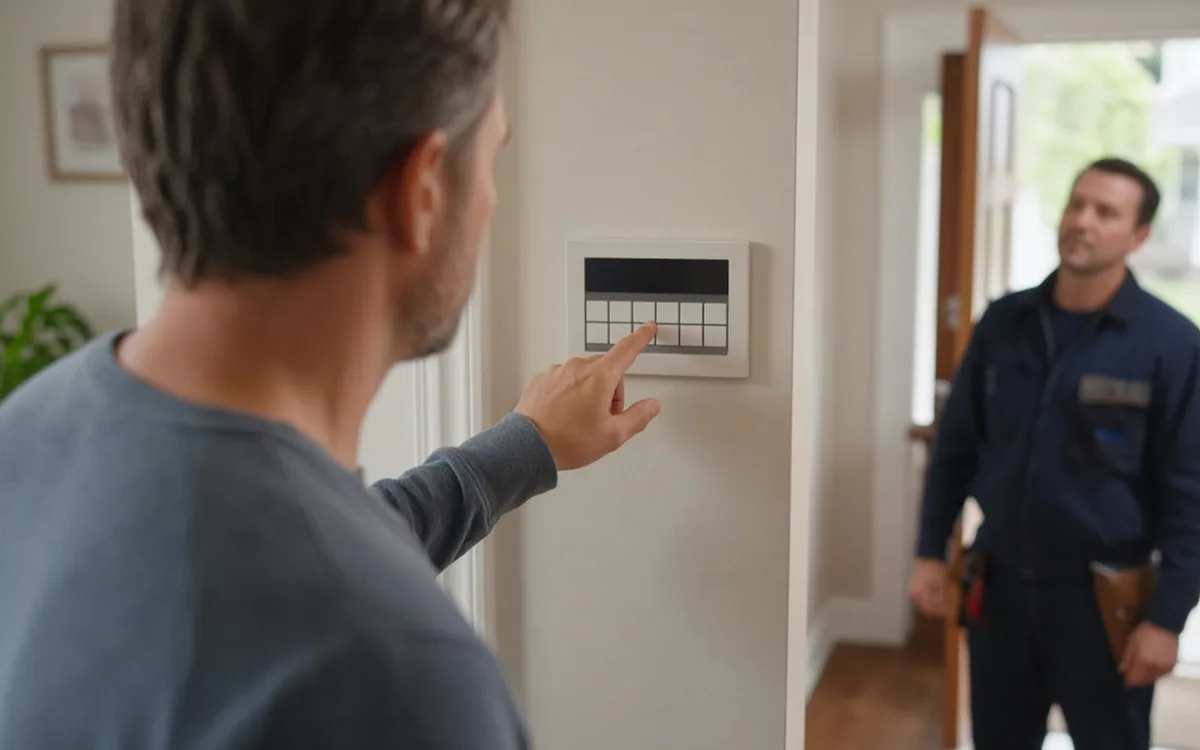
Submit a description of the routines you want to improve, the rooms involved, the devices and platforms you already use, and your support preference. Matched independent installers reply with a free written estimate and no obligation. Do not include passwords, door codes, account recovery details or private recordings in any request.
The quality of the estimates you receive follows the quality of the request. An installer who knows you run a particular platform, have twelve switches without neutral wires and want a doorbell that works during outages can price the job. One who receives 'smart home, whole house' will send a range and a sales call. Parks Associates found the average internet household already has 17 devices on its network, so listing what exists is the most useful thing you can do.
This page explains what to include, what to leave out for your own security, and what happens after you submit. Read the services hub first if you are not sure which scope you need, and use the calculator to have a budget range in mind before the replies arrive.
Specifics. Name the routine: 'lights off and doors locked from one button at bedtime', not 'automation'. Name the rooms and count the switches, doors and camera positions. List devices you own by brand and, if you know it, model, and say which you want to keep. State the platform you prefer if you have one, and whether you want a system you can change yourself or one an installer maintains. Say what must keep working during an internet outage.
Mention the house. Year built helps an installer guess at neutral wires and wall construction. Router brand and internet speed help size the network. Whether you rent or own decides switches versus bulbs. If a renovation is planned, say so, because open walls change the cabling plan and the price; Parks Associates found 18% of U.S. internet households have six or more smart home devices. The quiz will surface most of these details if you take it first.
Never send passwords, Wi-Fi keys, door codes, alarm codes, account recovery answers or camera recordings in a request. An installer does not need them to prepare an estimate, and Deloitte's finding that 70% of consumers worry about connected-device privacy is a reason to keep that boundary from the first message. When the job starts, the installer works from accounts you create and control, not from credentials you handed over.
Also leave out other bidders' prices. Comparing proposals is your job, and it works better when each installer prices the scope on its merits. Timing is fair to mention, though: Parks Associates found >50% of households planning a move within six months intend to buy a smart lock, so say if a move drives the date. If a proposal comes in far above the calculator range, ask what drives the difference; the answer often reveals a scope item such as rewiring or a dealer platform that the cheaper bid omitted.
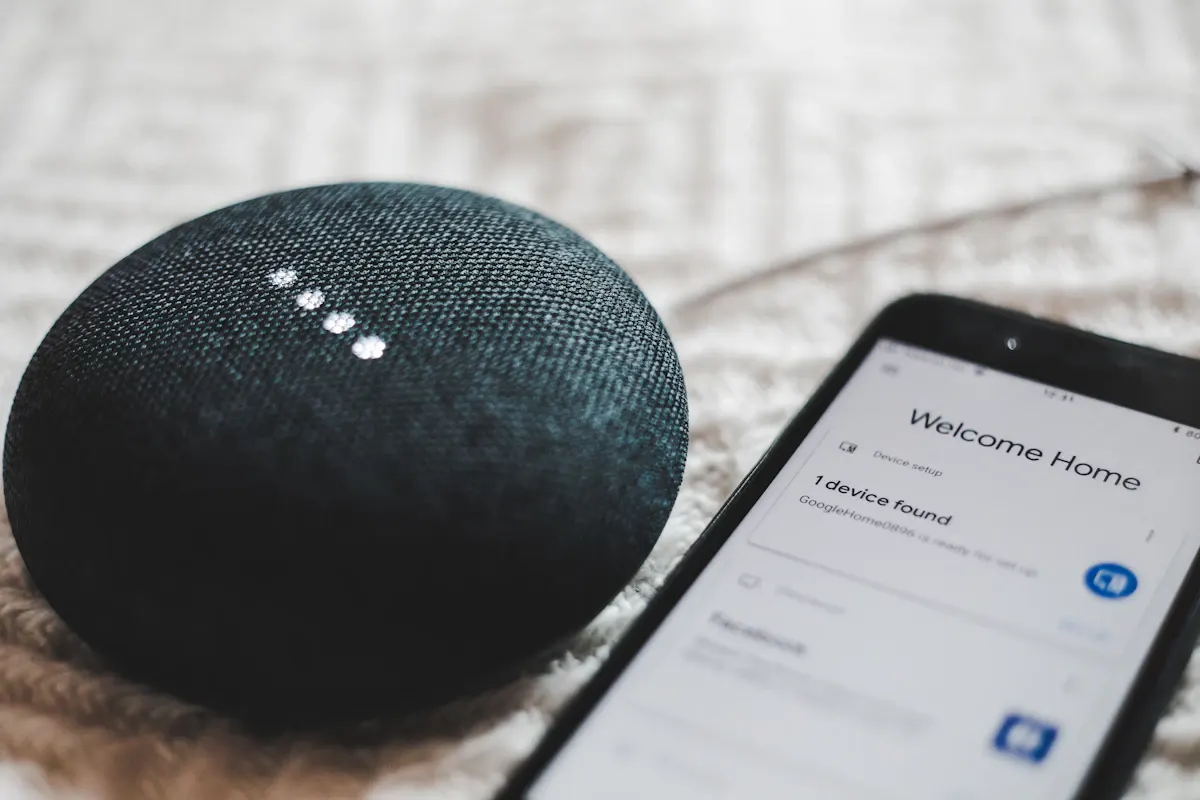
Independent installers serving your area and scope receive the request and respond, usually with questions before a written estimate. Some will want a site visit, which may carry an assessment fee that they state upfront. You are not committed to anything by responding. Compare the written proposals using the four questions on every service page: outage behavior, account ownership, recurring fees and how another installer could maintain the system.
Angi's 2026 cost data puts a basic smart home setup at $771 on average ($201 to $1,519), while HomeGuide's tiers, from select rooms through whole-home to fully custom, run $2,000–$15,000+. If the estimates arrive above budget, ask each installer to phase the work: network and lighting now, security and audio later, with the platform decision fixed so early choices do not conflict with later ones. The whole-home page explains how to write a phased specification.
Four questions get the useful answers. Which functions continue if the internet or cloud service is unavailable? Who owns every account, and how is installer access removed? What recurring fees and support charges apply, and what stops if they end? How would another installer understand or maintain this system later? An installer who answers all four in the estimate has saved you an hour of follow-up and told you something about how they work.
Homeowner polls
Angi's 2026 consumer benchmark averages $771; HomeGuide's whole-home tier is $5,000 to $15,000.
No votes yet. Yours will be the first. · saved on this device
No votes yet. Yours will be the first. · saved on this device
Most installers prefer a short call or a site visit before pricing, because switch wiring, doorbell transformers and network coverage cannot be judged from a form. You can state in the request that you want written questions first. Whatever the format, ask for the final estimate in writing with model numbers and separate lines for equipment, wiring, labor, programming and recurring fees.
Two or three for a lighting or security project, three for whole-home integration or a theater. More than that produces diminishing returns and a lot of site visits. The goal is not the lowest number but a clear view of what each bidder includes; a proposal that is cheaper because it uses cloud-only video and Wi-Fi bulbs is a different project from one built on a recorder and switches.
Some do, particularly for whole-home or theater projects where the visit takes an hour or more and produces a drawing. Any fee should be stated before the visit and often credits against the job. A short walkthrough for a lighting or doorbell project is usually free. Ask when you first hear back, and treat a clearly stated fee as normal rather than a warning sign.
Yes, and say so in the request, because it changes the plan toward bulbs, plug-in modules, battery cameras and locks that fit over the existing deadbolt. Switch replacement and wired cameras usually need the landlord's consent and may require a licensed electrician regardless. An installer who knows you rent will propose equipment that leaves with you.
That is a reasonable request on its own, and many integrators offer it. State the device count, router brand, house size and the rooms with poor coverage. The assessment should produce a written recommendation for router, access points, wired backhaul and network segmentation, priced separately from any devices. It is often the best first purchase before a larger project.
Yes, and it is a useful constraint. Local video recording, a self-monitored alarm, a local hub for automations and a streaming source you already pay for can produce a system with no new recurring fees. Some features, such as remote viewing on certain camera brands or dealer platform remote access, may then be unavailable; the installer should list what you give up.
Typically within a few business days, faster for small scopes. Installers are busiest in late spring and before the holidays, and theater projects tied to a renovation follow the construction schedule. If you have a deadline such as a move-in date, put it in the request so bidders can say whether they can meet it rather than discovering the conflict after you have chosen.
 Service guideWhole-Home Automation
Whole-home automation connects lighting, climate, locks, cameras, shades and audio under one interface with scenes and schedules.
 Service guideSmart Lighting Control
Smart lighting control replaces switches and dimmers, or adds keypads and schedules, so rooms respond to scenes, timers and occupancy while the wall switch keeps working.
 Service guideHome Security & Surveillance
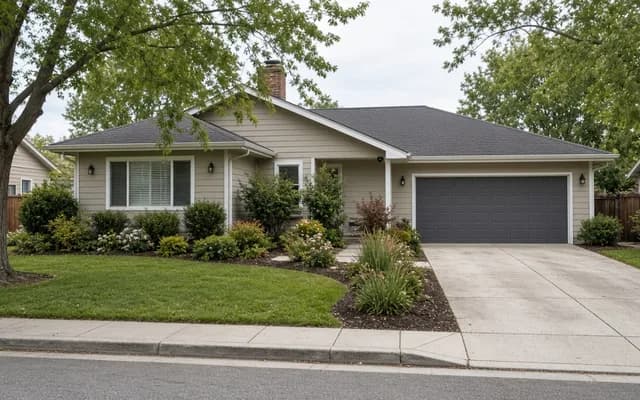
Home security and surveillance covers cameras, door and window sensors, motion detection, video doorbells and smart locks, with or without a monitoring service.
 Service guideHome Theater & Audio
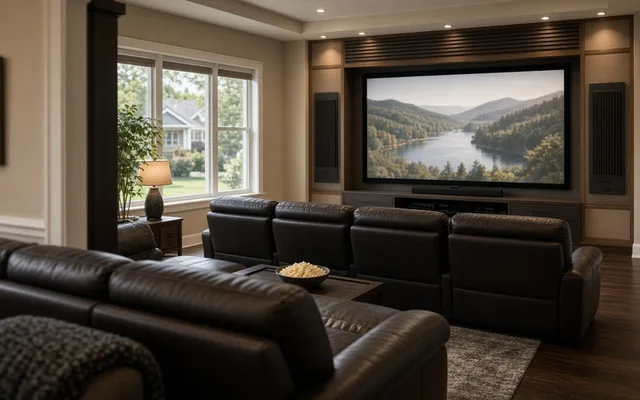
Home theater and audio installation covers dedicated theaters, living-room media setups and multi-room audio, including speakers, displays, receivers, cabling, equipment placement and the controls the household uses daily.