What total budget are you planning for the project?
Angi's 2026 consumer benchmark averages $771; HomeGuide's whole-home tier is $5,000 to $15,000.
No votes yet. Yours will be the first. · saved on this device
Loading...
Home Control Notes · Costs
In 2026 a consumer starter system averages about $771 installed according to Angi, while HomeGuide puts hub-based and dealer-integrated systems at $2,000 to $15,000 or more. Labor runs roughly $80 to $100 an hour per Today's Homeowner (January 2023 prices), and HomeAdvisor's 2026 camera-installation rate is $50 to $100. Wiring, network upgrades, programming time and subscriptions explain most of the gap between two quotes for the same house.
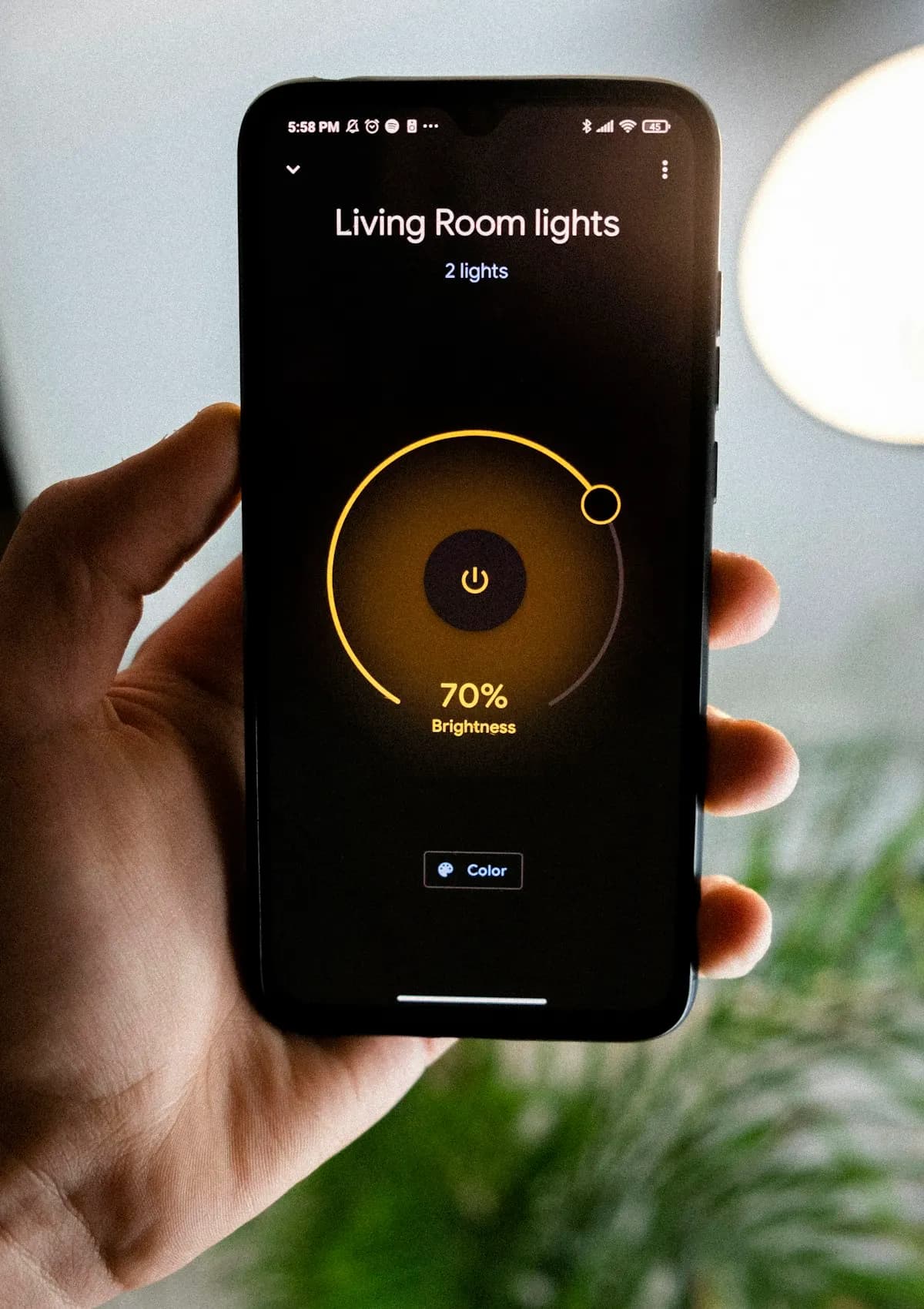
Photo: Moritz Kindler · License.
By Home Control Notes editorial · Updated 2026-09-25
Smart home pricing is confusing because the same phrase covers a $100 thermostat swap and a five-figure integrated system with a rack, keypads and a support contract. The published averages are accurate for the scope each publisher measured, and wildly misleading when applied to a different scope. This guide sorts the 2026 figures by scope, explains which parts of a quote are equipment and which are labor, and shows where costs hide until the second visit.
Every figure below names its publisher. Where no reliable published number exists, such as the premium for plaster walls or a specific dealer's programming rate, the guide describes the effect rather than inventing a range. Use it alongside the cost calculator, which applies the same sources to your device count, and the individual cost pages for each service, such as the whole-home automation cost guide.
At the entry level, Angi's 2026 guide reports an average of $771 for a consumer smart home system, usually a hub or smart speaker, a thermostat, a video doorbell and some lighting, installed and paired. Above that, HomeGuide's 2026 figures describe three tiers spanning $2,000–$15,000+: roughly $2,000 to $5,000 for automation in selected rooms, $5,000 to $15,000 for mid-range whole-home integration, and more for fully custom systems with a dedicated processor and matched keypads.
Subsystems have their own brackets. Today's Homeowner puts fully automated whole-home lighting at $1,000–$5,000 and an integrated entertainment subsystem at $2,000–$4,000. Vivint's 2026 figure for a professionally installed smart thermostat is $200–$500. The lighting cost page breaks that bracket down by switch and keypad. These subsystem ranges add up quickly, which is why a whole-home quote rarely looks like the sum of the retail prices of its devices.
| Scope | Typical 2026 range | Publisher |
|---|---|---|
| Consumer starter system, installed | $771 average ($201–$1,519) | Angi 2026 |
| Automation in selected rooms | $2,000–$5,000 | HomeGuide 2026 |
| Whole-home integration, mid-range | $5,000–$15,000 | HomeGuide 2026 |
| Whole-home lighting control | $1,000–$5,000 | Today's Homeowner (Jan 2023 prices) |
| Living-room entertainment system | $2,000–$4,000 | Today's Homeowner (Jan 2023 prices) |
| Smart thermostat, installed | $200–$500 | Vivint 2026 |
Today's Homeowner puts professional smart home labor at $80–$100/hr at January 2023 prices. HomeAdvisor's June 2026 camera figures are a newer check: $80–$200 per camera, with labor making up 50% to 70% of the job. On a starter system the labor share is small, because pairing retail devices takes hours rather than days. On a whole-home project the share grows with every cable pull, every switch box that needs a neutral, and every hour of scene programming. Vivint's thermostat figures illustrate the ratio at small scale: the device alone runs about $100 to $300, and the installed price climbs to $200 to $500.
Programming is the labor line homeowners most often underestimate. A dealer system with keypads, scenes, schedules and integrations can need more programming time than physical installation, and every later change is billed at the same rate unless the contract says otherwise. Ask each bidder to separate installation hours, programming hours and project management, and to state the hourly rate for changes after handover. That single line tells you what the system will cost to live with.
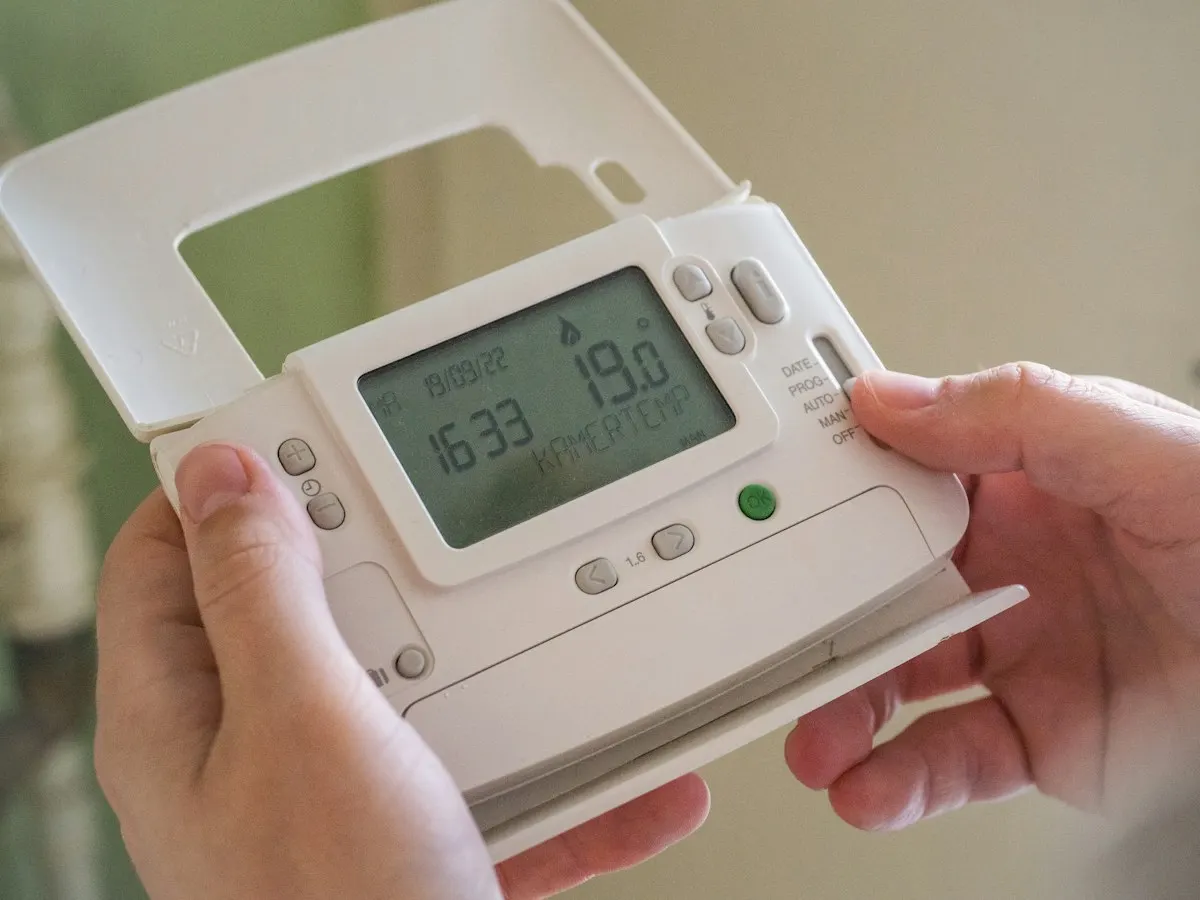
The biggest single driver is wiring. A house with neutral wires at the switch boxes, accessible attic space and a modern panel lets an electrician swap switches and fish cable quickly. A house with plaster walls, no neutrals, finished basements below and a full panel adds hours to every point. The second driver is the platform tier: hub-based systems and dealer processors cost more in equipment and much more in programming than retail devices on a shared platform.
Device count matters less than people expect, because adding the tenth dimmer to a lighting job costs little once the hub, network and programming framework exist. What moves the number is the number of subsystems that must talk to each other. Lighting alone is simple. Lighting, locks, cameras, shades, audio and climate on one interface is a different project. Deloitte's 2023 finding that 79% of consumers call interoperability important explains why integration labor is often the largest line.
Device category sets the floor. Vivint, which sells and installs its own systems, published the category prices in the table in this section in March 2026; treat them as a vendor's figures. Lighting is cheap per fixture and expensive in total because a house has dozens of fixtures, while a smart appliance can outweigh the rest of the project on its own.
| Device category | Price (Vivint, March 2026) |
|---|---|
| Smart lighting | $15–$60 per fixture |
| Smart thermostat | $100–$300 device; $200–$500 installed |
| Garage door control | $30 retrofit to over $100 |
| Smart speakers and hubs | $30–$2,000 |
| Smart appliances (oven, refrigerator, dishwasher) | $1,000–$7,000 |
| 24/7 monitoring | From $24.99/mo |
Network upgrades are the most common surprise. A proposal that adds cameras and speakers to an old router may be cheaper on paper and more expensive by the second service call. Subscriptions are the next: SoFi's 2025 figure for professional security monitoring is $30–$60/mo, and cloud video plans, dealer support contracts and platform premium tiers all add monthly lines that do not appear in the installation total.
Other late lines include drywall patching and paint after cable pulls, a transformer upgrade for a video doorbell, a dedicated circuit for an equipment rack, battery backups for the network and recorder, permit fees for new circuits, and alarm registration fees in cities that require them. None of these is exotic, and a thorough proposal lists each one or states that it is excluded. A vague line such as miscellaneous materials usually hides several of them.
Labor rates follow the local construction market, so metro areas with high electrician wages price the same switch swap higher than smaller markets. Housing stock matters as much as wages. Older housing in the Northeast and Midwest is more likely to have plaster walls and switch boxes without neutrals, which adds labor, while newer slab-on-grade homes in the South and West often route cable through attics that are fast to work in and punishing in summer heat.
Adoption is surprisingly even. The Energy Information Administration's 2024 Residential Energy Consumption Survey found 73.2% of occupied homes report broadband nationally and 74.7% in the Northeast, with other regions within a few points. The same survey found 28.7% of Western homes have a theater or audio system against 21.6% in the Northeast, which affects how many installers in a region specialize in audio work.
Few devices pay for themselves outright, but several offset part of the cost. ENERGY STAR reports that certified smart thermostats save about 8% / $50 a year on heating and cooling, which ENERGY STAR notes averages $900+ for a typical household. Insurers offer discounts too: SmartFinancial reports carrier discounts of 5–13%, and Nationwide offers up to 10% on fire, theft and water coverage for qualifying devices.
Water leak detection with an automatic shutoff has the strongest published case: a LexisNexis Risk Solutions study found a 96% reduction in water-damage claims after installation. That study dates from 2020 and covered a specific insurer program, so treat it as directional. On resale, Zillow's 2025 Home Trends reported +34% growth in listings mentioning EV chargers, a sign that buyers notice infrastructure more than gadgets.
Line up every bid against your brief. Check that each lists the same devices by model or by specification, the same rooms and the same routines. Then compare the lines that vary most: network equipment, cable pulls, programming hours, subscriptions and handover. A bid that is far below the others often omits the network or the programming; a bid far above may include a dealer support plan the others treat as optional.
Ask for four things in writing before signing: a device-by-device list of what works offline, the account ownership plan, the hourly rate and minimum charge for changes after handover, and every recurring fee with its term. The platform comparison helps if bids propose different tiers, and the estimate request page lets you ask matched installers to price the same brief.
Homeowner polls
Angi's 2026 consumer benchmark averages $771; HomeGuide's whole-home tier is $5,000 to $15,000.
No votes yet. Yours will be the first. · saved on this device
No votes yet. Yours will be the first. · saved on this device
Deloitte found fewer than a third of consumers have committed to a single ecosystem.
No votes yet. Yours will be the first. · saved on this device
Sometimes, for retail-platform devices on a small job. Many installers charge more labor for customer-supplied equipment, decline warranty responsibility for it, or refuse dealer-platform work with outside hardware. Compare the installed total both ways, and ask who handles a device that fails in the first year. On a whole-home project the equipment markup is usually a smaller lever than programming and wiring hours.
List them before signing. SoFi's 2025 range for professional monitoring is $30 to $60 a month, and cloud video storage, dealer support plans and premium platform features each add their own fee. A system designed around local recording and self-monitoring can run with few or no subscriptions. Multiply each monthly fee by 60 to see its five-year cost next to the installation price.
They likely priced different scopes. Common differences are whether the network is upgraded, whether neutrals are added, how many programming hours are included, which platform tier is proposed and whether a support contract is bundled. Put the bids in a single table by line item. Once the scopes match, remaining differences usually come down to labor rate and markup, which are easier to judge.
Usually, because older houses are more likely to lack neutral wires at switch boxes, have plaster or masonry walls, and offer fewer open paths for cable. Each adds labor at the installer's hourly rate. Wireless devices, Matter-over-Thread products and switches that do not need a neutral can reduce the premium, though they carry their own compatibility limits.
Deposits vary by state law and installer, and some states cap residential deposits. A common structure ties payments to milestones: equipment ordered, rough-in complete, programming complete, handover signed. Avoid paying in full before programming and handover, because those are the steps most often left unfinished. Confirm any state deposit limit with your consumer protection office.
Yes, and phasing often lowers total cost if the first phase covers the network, hub and any wiring that needs open walls. Later phases then add devices to a finished framework at mostly equipment cost. Phasing costs more when each phase requires a separate trip for wiring or reprogramming, so ask the installer to design the full plan up front and price it by phase.
ENERGY STAR estimates about 8% or $50 a year in heating and cooling savings for certified smart thermostats. Against Vivint's $200 to $500 installed range, simple payback takes several years, shorter if your utility offers a rebate or you already need a new thermostat. The stronger case is often comfort and remote control, with the savings as a bonus.
Hold a meaningful cushion on any project that involves opening walls, adding circuits or working in an older house, because a missing neutral or a blocked stud bay only shows up when the cover plate comes off. Starter projects with plug-in devices need little. Ask each installer which conditions would trigger a change order and how it would be priced before you settle on the amount.
 Service guideWhole-Home Automation
Whole-home automation connects lighting, climate, locks, cameras, shades and audio under one interface with scenes and schedules.
 Service guideSmart Lighting Control
Smart lighting control replaces switches and dimmers, or adds keypads and schedules, so rooms respond to scenes, timers and occupancy while the wall switch keeps working.
 Service guideHome Security & Surveillance
Home security and surveillance covers cameras, door and window sensors, motion detection, video doorbells and smart locks, with or without a monitoring service.
 Service guideHome Theater & Audio
Home theater and audio installation covers dedicated theaters, living-room media setups and multi-room audio, including speakers, displays, receivers, cabling, equipment placement and the controls the household uses daily.
 PlanningPlanning a smart home project: routines, network and handover first
Plan a smart home by starting with the routines you want to change, then listing every device you own and intend to add, sizing the network for that count, deciding what must work without the internet, and agreeing in writing who owns each account.
 MaterialsChoosing smart home devices, protocols and platforms that age well
Pick the platform and protocol before the devices.
 PermitsPermits and codes for smart home work: what triggers review and what does not
Rules vary by city, county and state, so confirm locally.
 Free toolSmart home cost calculator: size a budget by control points
Size, material tier and complexity in, a realistic budget range out.
 Free toolSmart home comparisons: the five decisions that shape the project
Side-by-side tables for the decisions that change the price most.
 Free toolSmart home readiness quiz: do you know the details installers will ask about?
10 questions that show what you already know and what to check next.
 Free toolSmart home polls: how other homeowners weighed the same decisions
See what other planners chose and add your vote.
Tell us the size, the condition of what is there now, and what you want to change. Home Control Notes passes your request to independent local professionals, who reply with written, no-obligation estimates. The service is free to use.